

Translation goes to the Movies - Accessible Guide to Film
Translation goes to the Movies - Accessible Guide to Film
Price subject to change. Tap below for current.
Couldn't load pickup availability
In this review of Translation goes to the Movies, Michael Cronin offers a clear, readable introduction to translation theory aimed at readers who want ideas tied to familiar films. The bottom line: this book is ideal for students, film enthusiasts and early-career translators who prefer concrete cultural examples rather than dense theoretical prose. Cronin uses mainstream and arthouse titles to show how translation shapes identity, conflict and representation, so the reader leaves with a practical sense of why translation matters on and off the screen.
Key Features
- Film-focused approach: Uses a wide range of films to illustrate translation themes, making abstract theory tangible through examples.
- Accessible writing: Cronin presents complex ideas in plain language so newcomers to translation theory can follow the arguments easily.
- Historical breadth: Examines both mainstream commercial and arthouse films to show how translation concerns recur over time.
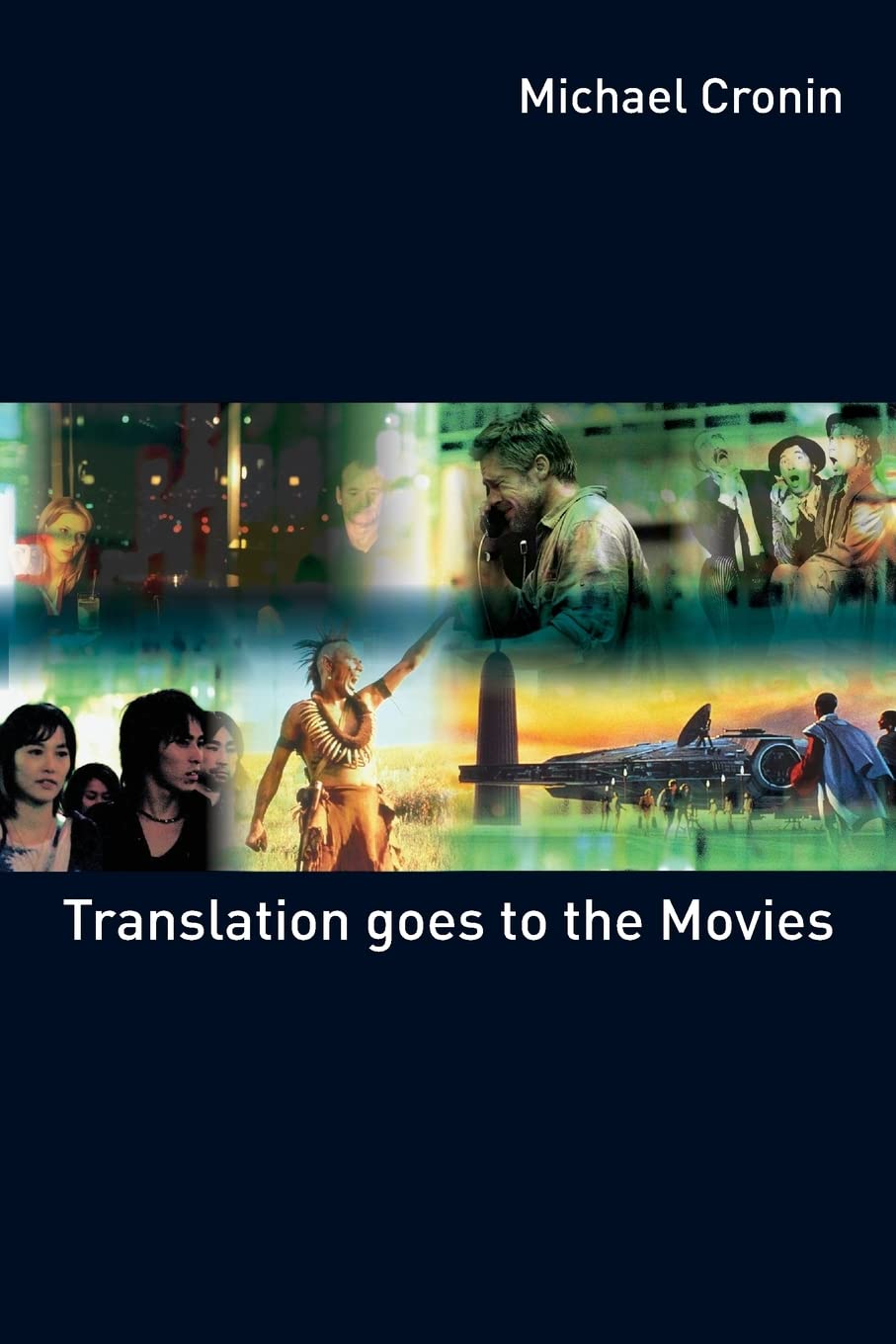
- Case studies: Analyzes specific films such as A Night at the Opera, the Star Wars trilogies and Lost in Translation to demonstrate real translation problems.
- Cultural perspective: Highlights links between translation, culture and identity to broaden readers' understanding of representation.
Who It's For
This book suits undergraduate students in translation studies, film studies readers curious about language, and practicing translators wanting a cultural lens on their work. Its accessible tone and film case studies make it particularly useful for classroom use or as a primer before tackling denser theory.
Readers seeking a comprehensive academic textbook packed with formal models and exhaustive bibliographies should look elsewhere; this is an introductory, interpretive treatment that prioritizes examples and cultural insight over methodological rigor.
Pros & Cons
Pros
- Clear, readable prose that invites non-specialists into translation theory.
- Engaging film examples connect theory to widely known titles, aiding comprehension.
- Balanced coverage of mainstream and arthouse films highlights diverse translation challenges.
Cons
- Not a detailed technical manual; readers wanting formal models or exhaustive citations may find the scope limited.
Specifications
| Title | Translation goes to the Movies |
| Author | Michael Cronin |
| Subject | Translation theory and film |
| Approach | Film case studies and cultural analysis |
| Film examples | A Night at the Opera; Star Wars trilogies; Lost in Translation |
| Audience | Students, film enthusiasts, early-career translators |
Our Verdict
Translation goes to the Movies is a lively, approachable introduction that translates abstract theory into memorable film examples. It is good value for students and general readers who want cultural insight and practical illustrations rather than exhaustive academic treatment, and it works well as a classroom primer or an accessible first read in translation studies.
Frequently Asked Questions
Does this book require prior study of translation theory?
Answer. No, the book is written as an accessible introduction and assumes little prior technical knowledge.
Which films are discussed to illustrate translation concepts?
Answer. Cronin analyzes a mix of mainstream and arthouse films, including A Night at the Opera, the Star Wars trilogies and Lost in Translation.
Is this a technical textbook for professional translators?
Answer. It is interpretive and example-driven, so those seeking detailed formal methods or exhaustive references may prefer more technical texts.
Editor's Take
Translation goes to the Movies is a lively, approachable introduction that uses well-chosen film case studies to make translation theory tangible; it is especially good for students and general readers seeking cultural insight rather than a technical textbook.

Recently viewed
Recently viewed products will appear here as customers browse the store.