Price subject to change. Tap below for current.
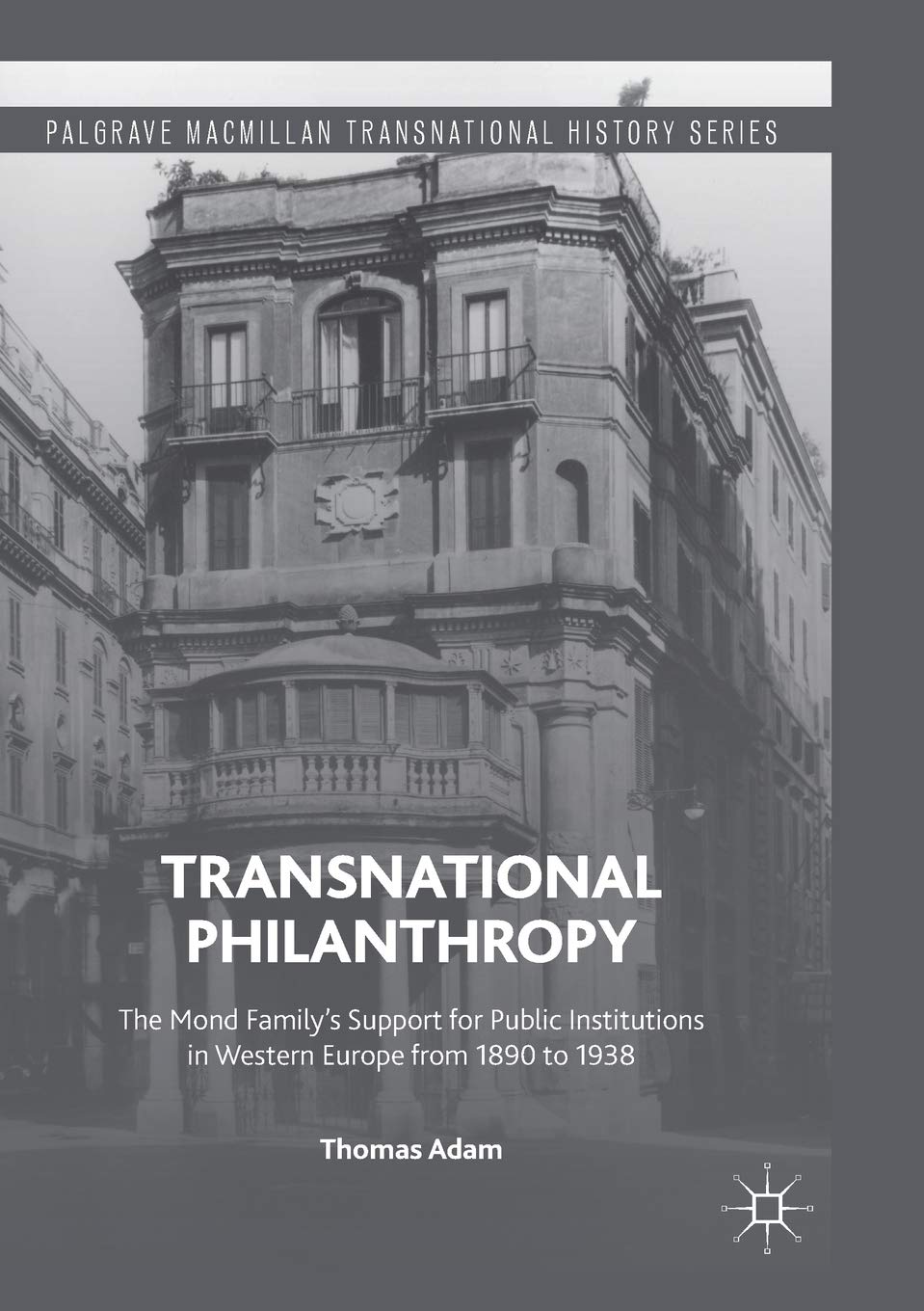
The book Transnational Philanthropy explores the significant contributions made by the Mond family to public institutions in Western Europe between 1890 and 1938. This comprehensive study delves into the philanthropic efforts that shaped various sectors, including education, health, and the arts. The Mond family's legacy is not just about wealth; it is about the transformative power of philanthropic initiatives that have left a lasting impact on society.
Through meticulous research, the author, Thomas Adam, presents a detailed account of how the Mond family utilized their resources to support public institutions. The narrative highlights key projects funded by the family, showcasing their commitment to social betterment and community development. Each chapter provides insights into the motivations behind their philanthropic choices and the outcomes of their investments.
One of the standout features of this book is its exploration of the historical context in which these philanthropic efforts took place. The author situates the Mond family's contributions within the broader socio-political landscape of Western Europe during a time of significant change. This context enriches the reader's understanding of the challenges and opportunities faced by philanthropists in that era.
The book also examines the relationships between the Mond family and various public institutions. It reveals how these connections facilitated the implementation of numerous projects that benefited countless individuals. The author emphasizes the importance of collaboration between private and public sectors in achieving meaningful change.
Moreover, the narrative is supported by a wealth of primary sources, including letters, documents, and photographs that bring the story to life. These materials not only enhance the credibility of the research but also provide a personal touch to the family's philanthropic journey. Readers will appreciate the rich historical detail that accompanies each account, making it a valuable resource for historians and enthusiasts alike.
In conclusion, Transnational Philanthropy is an essential read for anyone interested in the intersection of wealth and social responsibility. Thomas Adam's thorough examination of the Mond family's support for public institutions offers a unique perspective on the role of philanthropy in shaping modern Europe. This book is a testament to the enduring impact of charitable giving and the potential it holds for fostering positive change in society.