

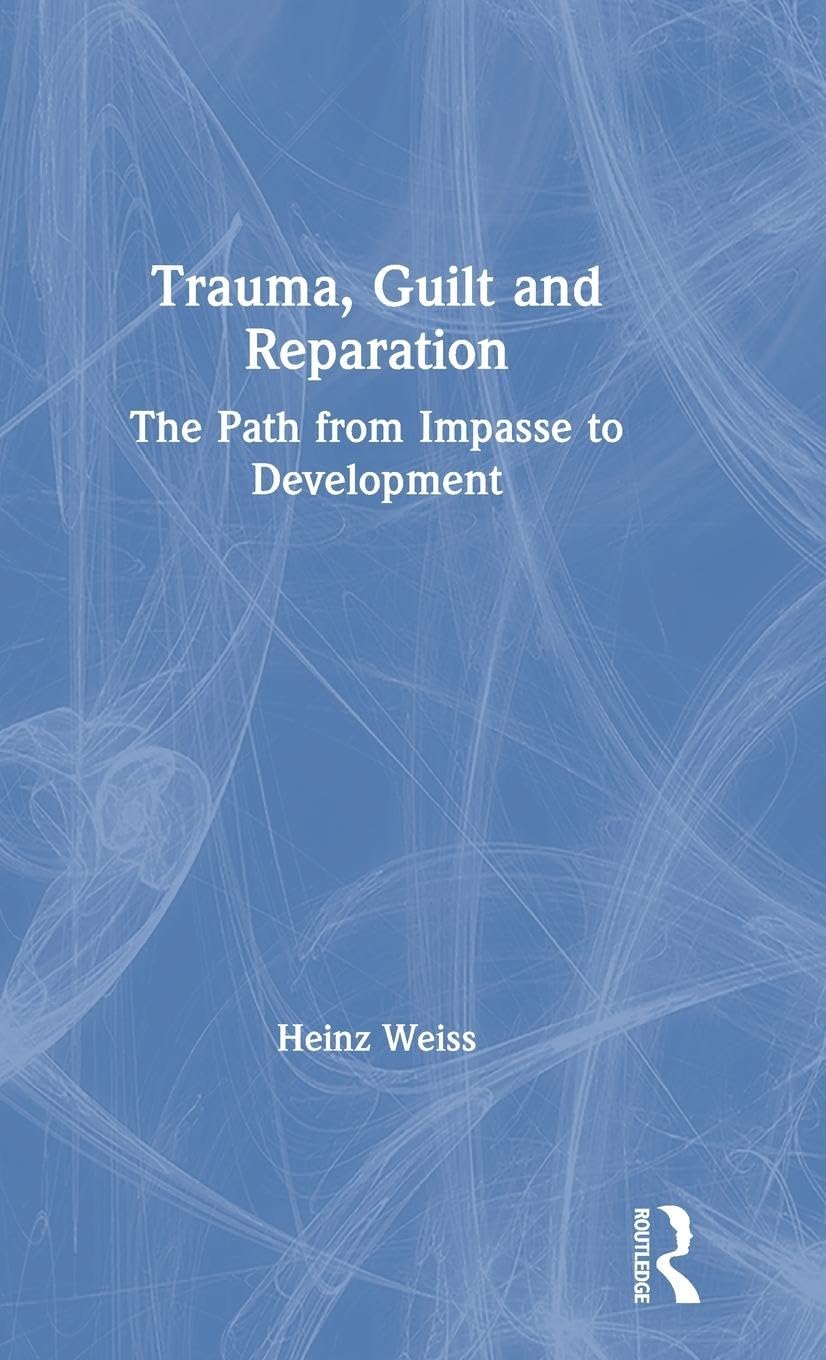
Trauma, Guilt and Reparation - Clinical for Therapists
Trauma, Guilt and Reparation - Clinical for Therapists
Price subject to change. Tap below for current.
Couldn't load pickup availability
Our review of Trauma, Guilt and Reparation positions it as a focused clinical text for mental health professionals and advanced students. The book's single biggest strength is its in-depth theoretical account of how persistent guilt obstructs reparative work after severe trauma, offering clinicians a clear framework for guiding patients toward mourning and forgiveness. Readers looking for practical case manuals should note this is primarily a theoretical and psychoanalytic exploration, not a step-by-step therapy workbook.
Key Features
- Theoretical focus: Explains the interplay between guilt, shame and reparation to give clinicians a nuanced framework for treating complex trauma.
- Psychoanalytic grounding: References Klein and other foundational theorists so readers can connect reparative concepts with classical analytic traditions.
- Clinical relevance: Examines how feelings of persistent guilt can foil attempts at reparation, helping practitioners recognize common emotional roadblocks.
- Developmental perspective: Considers the relationship between neediness, fear and wrath to clarify how trauma becomes locked within the psyche.
- Mourning and forgiveness: Offers a pathway for therapists to support patients toward mourning and forgiveness as necessary steps in recovery.
- Foreword included: Features a Foreword by John Steiner, situating the book within ongoing clinical debates.
Who It's For
This book is best suited to qualified clinicians, psychoanalytic therapists, and advanced trainees who want a deeper theoretical understanding of reparative processes after trauma. Its emphasis on analytic theory and the dynamics of guilt makes it a useful companion for those working with complex, chronic trauma presentations.
It is less appropriate for readers seeking brief self-help guidance or a manual with concrete, session-by-session interventions; such readers should look for practical guides or cognitive-behavioral manuals rather than this dense theoretical study.
Pros & Cons
Pros
- Clarifies how persistent guilt can impede therapeutic reparation, aiding case conceptualization for clinicians.
- Integrates Kleinian concepts with contemporary thinking to deepen theoretical understanding.
- Provides a compassionate route toward mourning and forgiveness that can inform long-term treatment planning.
Cons
- Primarily theoretical in approach, so it offers limited practical, step-by-step techniques for immediate clinical use.
Specifications
| Title | Trauma, Guilt and Reparation |
| Author/Brand | Heinz Weiss |
| Subject focus | Trauma, guilt, reparation, psychoanalytic theory |
| Theoretical references | Klein and related psychoanalytic work |
| Clinical emphasis | Pathways to mourning and forgiveness |
| Includes | Foreword by John Steiner |
Our Verdict
Trauma, Guilt and Reparation is a strong value for clinicians seeking a rigorous psychoanalytic account of how guilt blocks reparative progress. Its theoretical depth makes it especially valuable for therapists and advanced students who will translate its concepts into long-term treatment plans, though those needing practical manuals will find its approach less immediately actionable.
Frequently Asked Questions
Is this book practical for therapy sessions?
Answer. The book is mainly theoretical; therapists can extract conceptual guidance but should supplement it with practical technique manuals.
Who wrote the Foreword?
Answer. The Foreword is by John Steiner, which places the book within current psychoanalytic discussions.
Does it focus on specific trauma types?
Answer. The text addresses severe trauma in a general psychoanalytic framework rather than focusing on named trauma categories.
Editor's Take
Trauma, Guilt and Reparation is a rigorous psychoanalytic text valuable to clinicians and advanced students for its clear account of how guilt impedes reparative work and how mourning and forgiveness can be supported in long-term treatment.

Recently viewed
Recently viewed products will appear here as customers browse the store.