

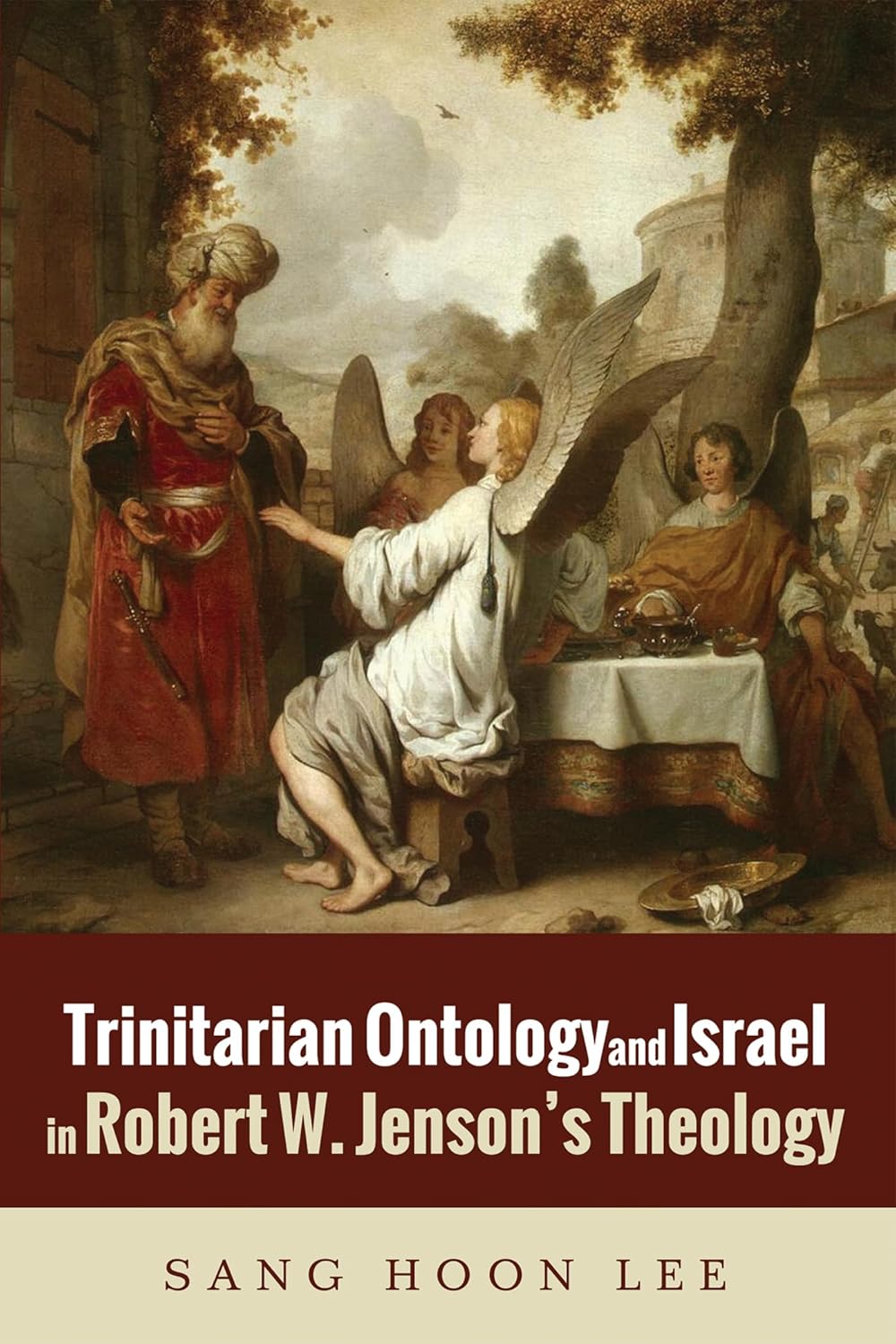
Trinitarian Ontology and Israel in Robert W. Jenson's Theology
Trinitarian Ontology and Israel in Robert W. Jenson's Theology
Price subject to change. Tap below for current.
Couldn't load pickup availability
In this review of Trinitarian Ontology and Israel in Robert W. Jenson's Theology, the reviewer assesses Sang Hoon Lee's careful tracing of Jenson's shift toward a post-supersessionistic stance. This book is for pastors, seminary students, and scholars who want a focused, theologically rigorous account of how a leading Trinitarian thinker came to affirm the covenantal significance of the Jews without abandoning core Trinitarian commitments. The single biggest reason to read it is Lee's sustained argument that Jenson's later work coherently integrates Trinitarian ontology with a renewed respect for Israel, making this a valuable corrective to simplistic readings.
Key Features
- Analytical focus: Lee maps the post-supersessionistic development in Jenson's thought, clarifying often subtle moves across texts so readers can follow the trajectory of change.
- Theological linkage: The book demonstrates how Jenson's Trinitarian theology provides the conceptual resources to embrace the ongoing existence of the Jews while remaining doctrinally Christian.
- Historical reading: By historicizing Jenson's revisions, Lee offers context that helps scholars weigh Jenson's claims against broader traditions of covenantal interpretation.
- Hermeneutical care: The study attends to Jenson's interpretive strategies, making it easier for readers to see why certain texts support a post-supersessionistic conclusion.
- Eschatological dimension: Lee highlights how Jenson's eschatology plays a role in his reorientation to Israel, helping readers understand the forward-looking logic at work.
Who It's For
This volume suits readers engaged in academic or pastoral theological reflection who need a focused study on Jenson's later trajectory, especially those interested in Trinitarian metaphysics and covenant theology. Seminary professors, doctoral students, and clergy wrestling with supersessionism will find the careful argumentation and textual attention especially useful.
Those seeking a broad introduction to Jewish-Christian relations or a general history of doctrine may find the book narrower than expected; it presupposes familiarity with key Jenson texts and with Trinitarian vocabulary, so casual readers should look elsewhere for a more generalist treatment.
Pros & Cons
Pros
- Clear tracing of Jenson's post-supersessionistic development makes complex material accessible to specialists.
- Strong linkage between Trinitarian ontology and covenantal claims helps bridge doctrinal categories often kept separate.
- Careful hermeneutical and historical reading provides scholarly grounding for practical theological reflection.
Cons
- The book's scholarly density and assumed background make it less accessible to general readers.
Specifications
| Title | Trinitarian Ontology and Israel in Robert W. Jenson's Theology |
| Author | Sang Hoon Lee |
| Primary focus | Post-supersessionistic development in Jenson's Trinitarian theology |
| Approach | Historicized, hermeneutical, and eschatological analysis |
| Audience | Scholars, seminary students, and clergy |
| Category hint | Books; Religion & Spirituality; Christian Books & Bibles |
Our Verdict
Lee's study is a disciplined and persuasive contribution for anyone seeking to understand how a major Trinitarian theologian moved toward affirming the covenantal status of Israel without sacrificing doctrinal integrity. While specialized and best suited to academic readers, it offers strong value to pastors and scholars who need a careful, conceptually coherent account of Jenson's post-supersessionism.
Frequently Asked Questions
Does this book require prior knowledge of Jenson?
Yes. The study assumes familiarity with Jenson's major works and basic Trinitarian terms to follow the argument fully.
Is the book devotional or academic?
It is academic in tone and method, aimed at theological scholarship and serious pastoral reflection rather than devotional reading.
Does the author propose practical church responses?
Lee focuses on theological argumentation and interpretation; practical pastoral applications are implied but not the main focus.
Editor's Take
Lee offers a disciplined, persuasive account showing how Jenson's Trinitarian theology develops a post-supersessionistic stance; ideal for scholars and pastors seeking a coherent theological treatment.

Recently viewed
Recently viewed products will appear here as customers browse the store.