

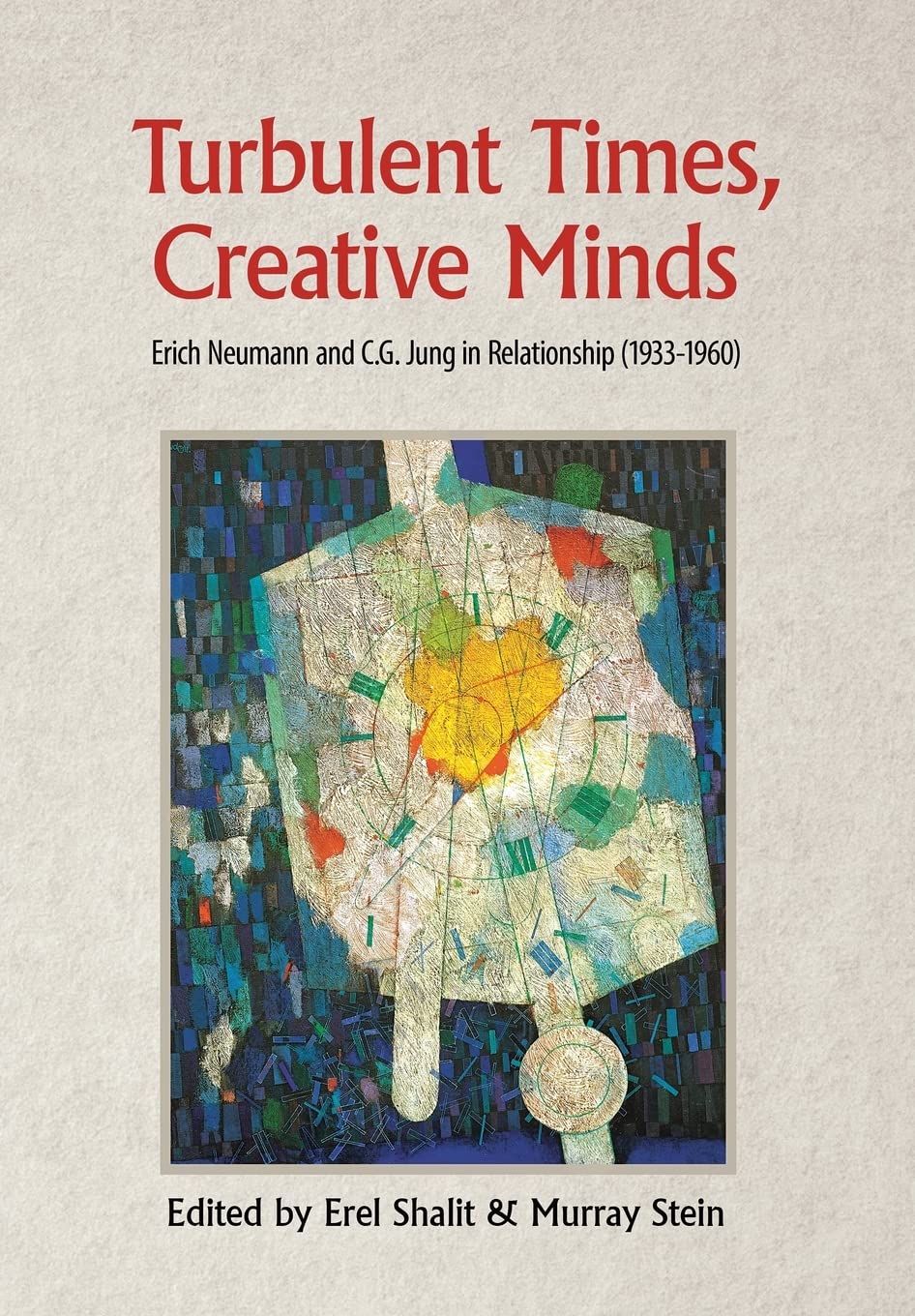
Turbulent Times, Creative Minds: Erich Neumann and C.G. Jung in
Turbulent Times, Creative Minds: Erich Neumann and C.G. Jung in
Price subject to change. Tap below for current.
Couldn't load pickup availability
In this review of Turbulent Times, Creative Minds: Erich Neumann and C.G. Jung in Relationship, the bottom line is clear: this edited volume is essential for readers seeking a thoughtful modern reassessment of Neumann within the Jungian tradition. The book gathers essays that trace the creative exchange between C. G. Jung and Erich Neumann from 1933 to 1960 and argues for Neumann's renewed prominence. For scholars, clinicians, and serious students of depth psychology, the compilation offers a focused recovery of Neumann's influence and suggests possible directions for future theoretical work.
Key Features
- Collected perspectives: Essays by a range of scholars provide multiple lenses on the Jung-Neumann relationship, making the book useful for comparative reflection.
- Historical focus: The correspondence timespan of 1933-1960 frames the discussion in a crucial historical period for analytical psychology, helping readers situate Neumann's contributions.
- Editorial curation: The volume brings together contributors who contextualize Neumann within Jungian scholarship and highlight how past dialogue can inform contemporary practice.
- Scholarly breadth: Contributors include clinicians and academics whose diverse approaches invite readers to consider both theoretical and clinical implications of Neumann's work.
- Renaissance argument: The essays collectively argue for a Neumann renaissance, encouraging renewed study and incorporation of his ideas into ongoing Jungian debates.
Who It's For
The book is best suited for graduate students, researchers, and practicing analysts who already have a working familiarity with Jungian concepts and want a concentrated exploration of Erich Neumann's role in the development of depth psychology. It will also serve libraries and programs focused on psychological movements and Jungian studies.
Readers seeking a basic introduction to Jungian psychology or a walkthrough of clinical techniques should look elsewhere; this volume presumes prior knowledge and emphasizes scholarly interpretation and historical correspondence over step-by-step clinical guidance.
Pros & Cons
Pros
- Provides a focused, multi-author reappraisal that highlights Neumann's contributions to analytical psychology.
- Situates Neumann in the key historical period of 1933-1960, clarifying the context of his exchange with Jung.
- Includes a variety of scholarly voices, which broadens the interpretive possibilities for readers interested in theory and history.
Cons
- The book assumes familiarity with Jungian terminology and may be dense for newcomers to depth psychology.
Specifications
| Title | Turbulent Times, Creative Minds: Erich Neumann and C.G. Jung in Relationship |
| Authors / Editors | Erel ShalitNancy Swift Furlotti |
| Subject | Jungian psychology; depth psychology; scholarly essays |
| Timeframe Covered | 1933-1960 |
| Contributors | Multiple authors including Joseph Cambray, Nancy Swift Furlotti, Riccardo Bernardini, and others |
| Intended audience | Scholars, clinicians, students of Jungian movements |
Our Verdict
This volume is a worthwhile purchase for readers invested in Jungian scholarship who want a curated set of essays that restore Erich Neumann's significance. It delivers rich historical framing and diverse scholarly viewpoints, making it good value for academic collections and clinicians seeking theoretical depth.
Frequently Asked Questions
Does this book focus on primary correspondence?
Answer. The essays center on the relationship evidenced by correspondence from 1933 to 1960 and reflect on its implications rather than serving as a complete letters edition.
Is this suitable for clinical training?
Answer. It is primarily scholarly and historical; clinicians may find theoretical value but should supplement with clinical handbooks for practice guidance.
Who contributed to the book?
Answer. The volume includes contributions by several Jungian scholars and clinicians such as Joseph Cambray, Nancy Swift Furlotti, Riccardo Bernardini, and others.
Editor's Take
This edited volume offers a focused reappraisal of Erich Neumann within the Jungian tradition, providing historical context and diverse scholarly perspectives that make it valuable for scholars and clinicians seeking theoretical depth.

Recently viewed
Recently viewed products will appear here as customers browse the store.