

Ukrainian Witchcraft Trials - Scholarly Microhistory
Ukrainian Witchcraft Trials - Scholarly Microhistory
Price subject to change. Tap below for current.
Couldn't load pickup availability
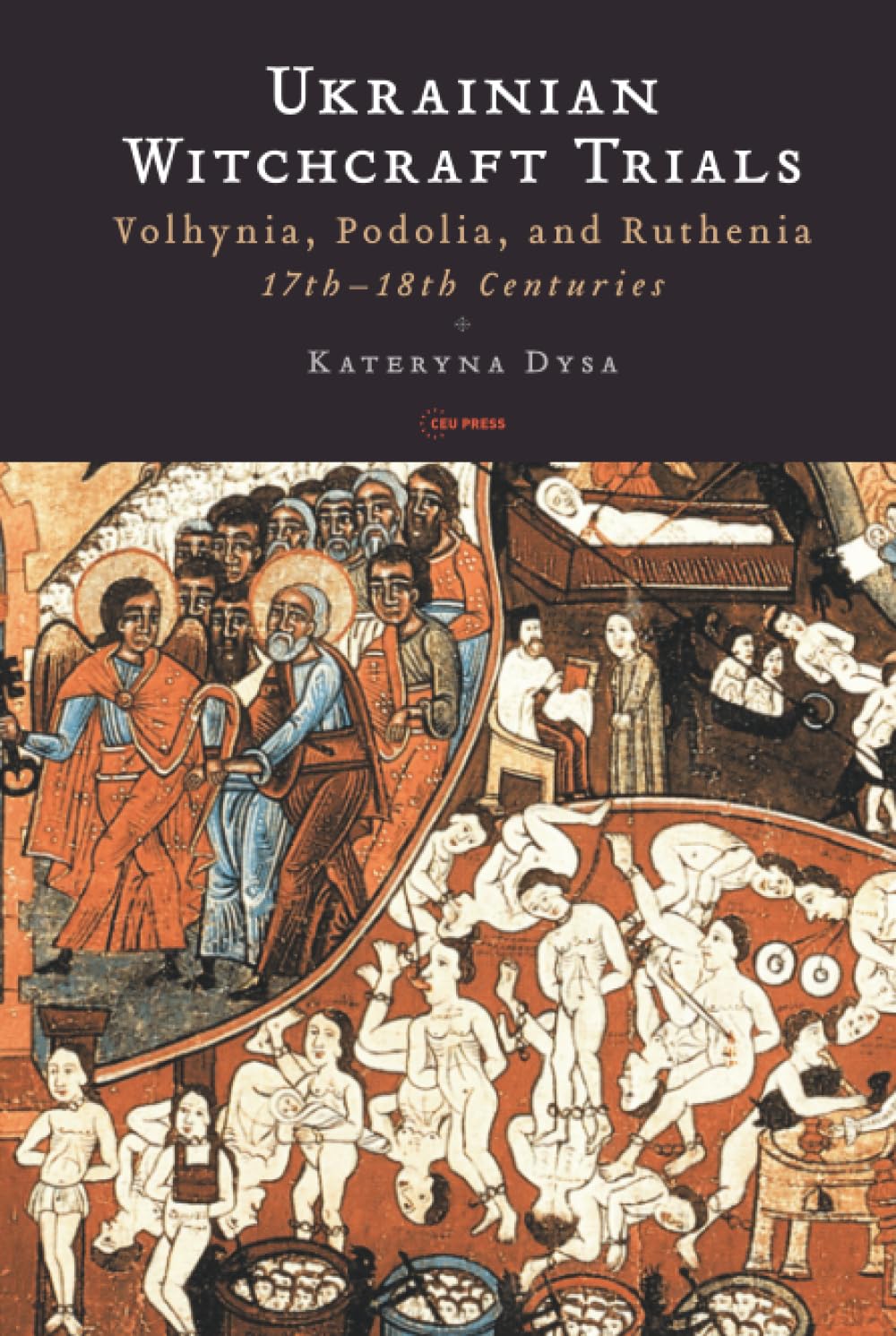
In this review of Ukrainian Witchcraft Trials the reviewer finds a focused scholarly study best suited to readers interested in legal history and belief systems. Kateryna Dysa combines archival trial transcripts with wider theological context to explain how accusations emerged, so the single biggest reason to buy is the book's careful reconstruction of accusation processes that reveals social dynamics behind prosecutions. This is a review from the perspective of a reader looking for depth and archival grounding rather than a popular overview.
Key Features
- Archival research: The book draws on original witch trial transcripts and archival sources to reconstruct events and motives, offering primary-evidence grounding for the arguments.
- Theological framing: Dysa outlines the ideological background using works by priests and theologians, which helps readers understand how clerical attitudes shaped tribunals.
- Focus on accusations: The main contribution is a step-by-step analysis of how suspicions became formal accusations, clarifying the social processes at play.
- Quantitative data: Quantitative evidence from a range of trials supports patterns in accusation and adjudication, adding analytical rigor to the narrative.
- Microhistory case study: A close study of a Volhynian village compares attitudes toward two female crimes, giving concrete, local-level insight into court practices.
- Actor-focused approach: Dysa treats participants as historical agents, attempting to understand motivations rather than dismissing beliefs, which deepens interpretation.
Who It's For
The book is ideal for historians of religion, legal historians, and students of witchcraft studies who want a detailed, evidence-based account of Ukrainian tribunals and accusation dynamics. It will also serve scholars researching Eastern European social history and the role of clergy in local justice.
Readers seeking a broad popular survey of witchcraft or an introductory handbook to modern pagan practice should look elsewhere, since the work is scholarly, narrowly focused on trials, and relies on archival material rather than general overviews or contemporary spiritual guidance.
Pros & Cons
Pros
- Well-documented archival basis provides strong evidence for the author's claims.
- The comparison of two female crimes in a Volhynian village offers vivid microhistorical detail.
- The treatment of theological sources clarifies the ideological context driving tribunal behavior.
- Quantitative treatment helps identify broader patterns beyond individual cases.
Cons
- The specialized archival focus may be dense for general readers and is not a general introduction to witchcraft.
- Limited discussion of wider European comparative perspectives may leave readers wanting broader context.
Specifications
| Title | Ukrainian Witchcraft Trials |
| Author | Kateryna Dysa |
| Primary sources | Witch trial transcripts and archival records |
| Main focus | Process leading to witchcraft accusations |
| Method | Archival research with quantitative analysis |
| Case study | Microhistory of one Volhynian village |
| Thematic emphasis | Ideological background from priests and theologians |
Our Verdict
Ukrainian Witchcraft Trials is a valuable, evidence-rich study for specialists who want a nuanced account of accusation mechanics and clerical influence in Ukrainian courts. Its archival base and microhistorical detail make it good value for researchers, though general readers may find it dense.
Frequently Asked Questions
Does this book use original trial documents?
Yes. Dysa bases the study on archival research including witch trial transcripts cited throughout the text.
Is this a general history of witchcraft?
No. The work concentrates on the accusation process and legal practice in Ukrainian contexts rather than a broad cultural survey.
Will this help comparative research?
The book provides quantitative patterns and local case material useful for comparative work, though it focuses primarily on Ukrainian tribunals.
Editor's Take
Ukrainian Witchcraft Trials is a focused, archival study that reconstructs how suspicions became accusations in Ukrainian courts; its microhistory and quantitative evidence make it valuable for historians, though general readers may find it dense.

Recently viewed
Recently viewed products will appear here as customers browse the store.