

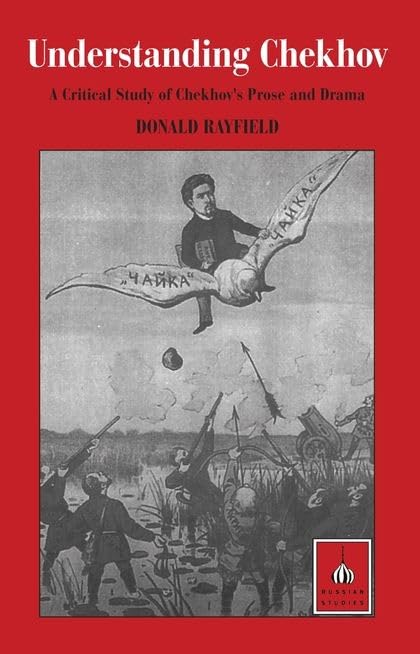
Understanding Chekhov: A Critical Study of Chekhov's Prose and Drama
Understanding Chekhov: A Critical Study of Chekhov's Prose and Drama
Price subject to change. Tap below for current.
Couldn't load pickup availability
In this review of Understanding Chekhov, Donald Rayfield offers a systematic, chronological study that will appeal to readers who want to deepen their grasp of Chekhov's stories and plays. The book's single biggest strength is its insistence on context: it connects plays and prose to Chekhov's reading, cultural background and the expectations of his public and publishers, making it especially useful for readers, students and theatre practitioners seeking clear interpretation rather than a brief overview. This review assesses how well the study illuminates Chekhov's intentions and literary formation.
Key Features
- Chronological structure: Presents Chekhov's work in order so readers can trace how his early pieces shaped later masterpieces.
- Contextual analysis: Places stories and plays alongside Chekhov's reading and contemporary expectations to clarify historical influences.
- Focused chapters: Dedicates a chapter to each major play, giving concentrated attention to theatrical works as well as prose.
- Early work emphasis: Treats early writings as the crucible for later fiction, which helps explain recurring themes and techniques.
- Interpretive clarity: Aims to elucidate Chekhov's elusive intentions so readers and critics can form grounded interpretations.
Who It's For
This study is best for literature students, theatre directors and serious readers who want a structured, contextual guide to Chekhov rather than an introduction or a compendium of summaries. Its emphasis on connections to European prose and drama benefits anyone preparing a production or academic paper.
Readers looking for a light, entry-level primer with plot-by-plot summaries or a collection of critical excerpts should look elsewhere; this is a deliberate critical study that rewards careful reading and some prior familiarity with Chekhov's major works.
Pros & Cons
Pros
- Systematic chronological layout makes it easy to follow Chekhov's artistic development.
- Detailed chapters on major plays provide useful material for directors and scholars.
- Contextual links to European literature sharpen understanding of influences and parallels.
Cons
- Not a casual introduction; readers without prior exposure to Chekhov may find it demanding.
Specifications
| Title | Understanding Chekhov: A Critical Study of Chekhov's Prose and Drama |
| Author | Donald Rayfield |
| Scope | Prose and drama; chronological critical study |
| Focus | Contextual links to reading, public and publishers' expectations |
| Structure | Chapters devoted to major plays and early work analysis |
| Use case | Readers, students, theatre directors, critics |
Our Verdict
Understanding Chekhov is a thoughtful, well-structured critical study that rewards readers who want to move beyond surface readings into informed interpretation. Its chronological approach and chapters on major plays make it particularly valuable for students and theatre practitioners, offering clear context and links to European literary traditions that increase its lasting usefulness and value.
Frequently Asked Questions
Does this book cover Chekhov's plays in detail?
Yes; each major play has a dedicated chapter with focused analysis suitable for theatre study.
Is prior knowledge of Chekhov required?
Some familiarity helps, as the book is a critical study rather than an introductory summary of plots.
Will this help with academic research or productions?
Yes; the contextual connections and emphasis on formation and intention are useful for academic papers and staging decisions.
Editor's Take
Understanding Chekhov is a structured, contextual critical study that clarifies Chekhov's intentions and development; ideal for students, theatre practitioners and serious readers seeking deeper interpretation.

Recently viewed
Recently viewed products will appear here as customers browse the store.