

Understanding the Humanitarian World - Clear Guide to Global Response
Understanding the Humanitarian World - Clear Guide to Global Response
Price subject to change. Tap below for current.
Couldn't load pickup availability
In this review of Understanding the Humanitarian World, the reviewer finds a clear, systematically organised introduction to how humanitarian action operates today. Intended for students, practitioners and policy readers, the book's single biggest reason to buy is its emphasis on the architecture and dynamics of the contemporary global humanitarian system, explaining who does what and why in accessible, evidence-informed prose. The review highlights the authors' focus on origins, major actors and the debates that shape humanitarian practice, making it a practical orientation to a complex field.
Key Features
- Historical perspective: Traces the origins and growth of humanitarian response to help readers understand current structures and norms.
- Actor mapping: Lays out the roles of local, national and international actors so readers can see how responsibilities and capacities differ across levels.
- Operational focus: Describes how humanitarian operations are planned and carried out, offering practical insight into real-world response work.
- Debate-driven analysis: Interrogates major contemporary debates in humanitarian action to clarify the trade-offs and tensions practitioners face.
- Systemic view: Connects individual responses to broader institutional forces, helping readers grasp systemic challenges and patterns.
Who It's For
Understanding the Humanitarian World is best for graduate students, NGO staff and policy makers who need a structured overview of the humanitarian system and the actors that shape it. The book works well as a course text or a preparatory primer for field deployment, because it links historical development to current practice.
Readers looking for a practitioner handbook of checklists, or a step-by-step field manual, should look elsewhere; this book focuses on system-level understanding rather than procedural field guidance.
Pros & Cons
Pros
- Clear explanation of the origins and growth of humanitarian action, which helps contextualise current practice.
- Detailed mapping of local, national and international actors makes the complex system easier to navigate for newcomers.
- Engages major debates so readers can appreciate normative and operational tensions affecting humanitarian work.
Cons
- Not a substitute for practical field manuals or operational checklists, since it emphasises system analysis over granular procedures.
Specifications
| Title | Understanding the Humanitarian World |
| Series | Global Institutions |
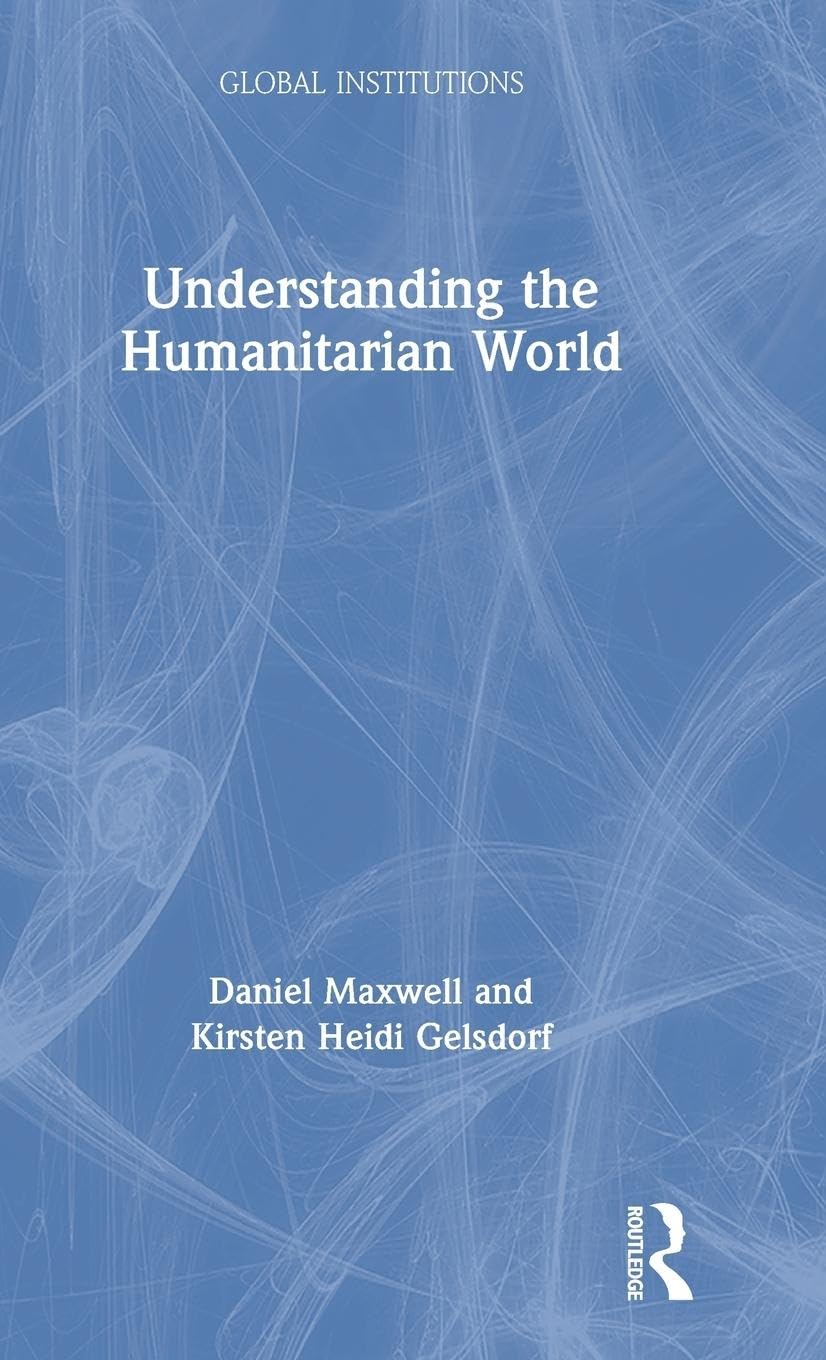
| Authors | Daniel Maxwell, Kirsten Gelsdorf |
| Subject focus | Humanitarian action, institutions and debates |
| Scope | Origins, actor roles, organisation and operations |
| Intended audience | Students, practitioners, policy readers |
Our Verdict
Understanding the Humanitarian World is a concise, well-structured introduction for anyone who needs to make sense of the modern humanitarian system. It offers strong value as a teaching text or preparatory read for practitioners because it connects historical development, actor roles and contemporary debates into a coherent overview.
Frequently Asked Questions
Does this book explain who the main humanitarian actors are?
Yes. It outlines the roles of local, national and international actors and how they organise responses.
Is this a field guide for humanitarian workers?
No. The book focuses on system-level analysis rather than procedural field checklists.
Who wrote this book?
The work is authored by Daniel Maxwell and Kirsten Gelsdorf, and appears in the Global Institutions series.
Editor's Take
Understanding the Humanitarian World is a concise, well-structured introduction that helps students and practitioners make sense of the modern humanitarian system by linking origins, actor roles and contemporary debates.

Recently viewed
Recently viewed products will appear here as customers browse the store.