

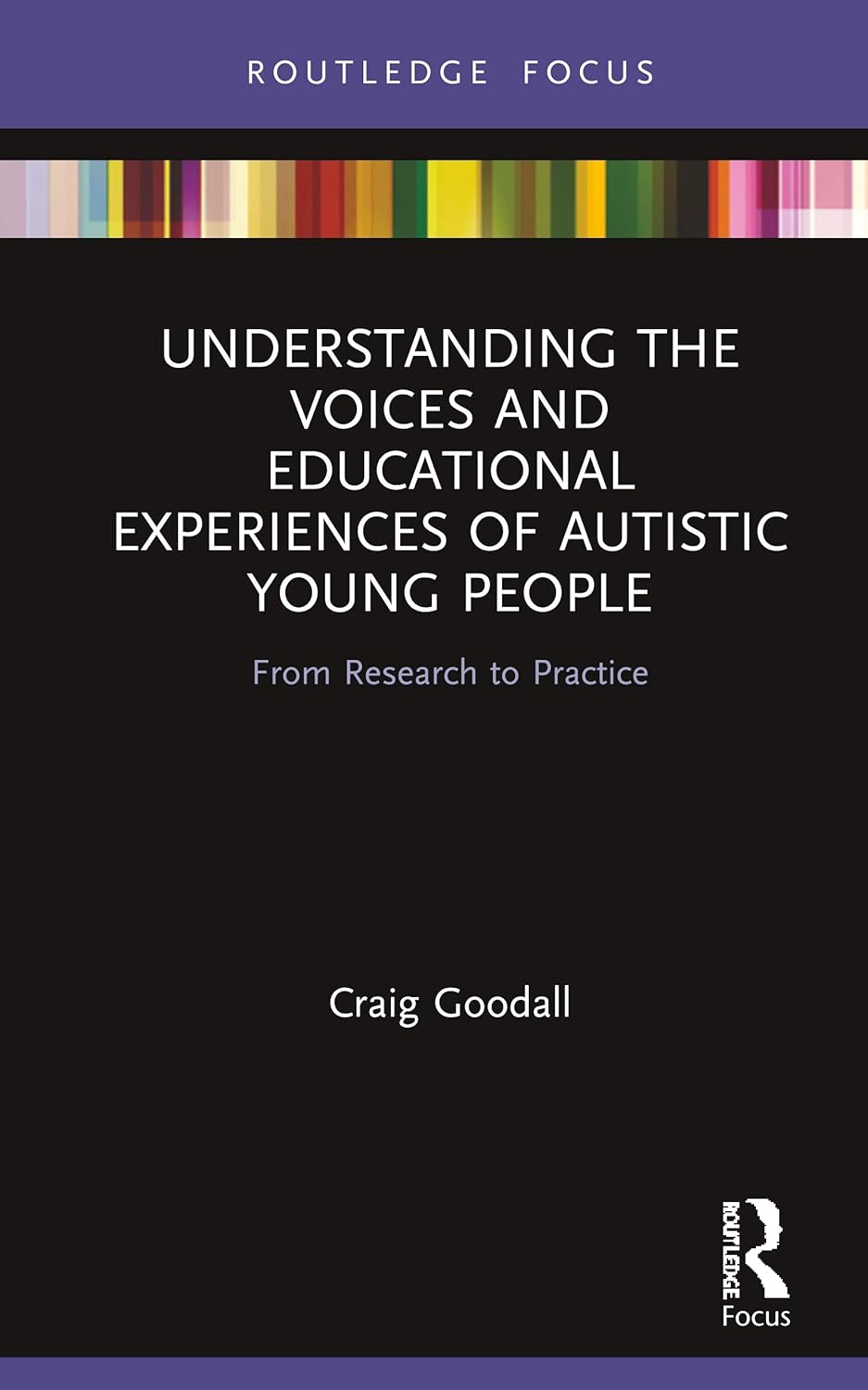
Understanding the Voices and Educational Experiences of Autistic Young
Understanding the Voices and Educational Experiences of Autistic Young
Price subject to change. Tap below for current.
Couldn't load pickup availability
In this review of Understanding the Voices and Educational Experiences of Autistic Young People, the bottom line is clear: this book is for educators, researchers and policy makers who want a focused, rights-based framework for participatory autism research and school practice. Craig Goodall brings together theory, literature review and classroom-informed guidance so readers can directly apply methods that centre the voice of autistic young people. The book's single biggest reason to buy is its practical emphasis on how to support autistic children in research and in school, bridging academic debate and everyday practice.
Key Features
- Participatory framework: Presents a clear, rights-based approach to conducting research with autistic young people that prioritises their participation and perspective.
- Theory to practice: Links theoretical discussions about inclusion with concrete, practice-focused advice for classroom and research settings.
- Extensive literature review: Offers a critical review of existing research and debate on mainstream inclusion for autistic children to inform evidence-based decisions.
- Practical guidance: Provides step-by-step suggestions for supporting autistic children during research and in school environments to improve engagement and outcomes.
- Author expertise: Draws on the author's teaching and research experience to illustrate how methods work in real educational contexts.
Who It's For
This book is best suited to special education teachers, school leaders, educational researchers and policy makers who need a practical, research-informed guide to centring the voice and participation of autistic young people. It will be particularly useful for those designing or evaluating inclusion practices and participatory studies.
Those looking for a quick classroom workbook, diagnostic manual or an introductory primer for parents new to autism may want to look elsewhere; this title assumes interest in research methods, critical review and applied educational practice rather than basic introductory material.
Pros & Cons
Pros
- Strong integration of research and classroom practice makes it practical for real-world application.
- Focus on participatory, rights-based research helps shift traditional power dynamics in studies involving young people.
- Comprehensive literature review supports informed decision making about inclusion and policy.
- Author's teaching experience offers grounded examples that clarify recommendations.
Cons
- Not a quick read for novices, as it is aimed at practitioners and researchers rather than casual readers.
- Limited to educational and research contexts; does not function as a therapeutic or diagnostic guide.
Specifications
| Title | Understanding the Voices and Educational Experiences of Autistic Young People |
| Series | Routledge Research in Special Educational Needs |
| Author | Craig Goodall |
| Focus | Participatory rights-based autism research and school practice |
| Includes | Critical literature review and practical classroom guidance |
| Audience | Educators, researchers, policy makers |
Our Verdict
Understanding the Voices and Educational Experiences of Autistic Young People is a valuable, well-grounded resource for professionals who want to centre autistic young people in research and school practice. Its blend of critical literature review and practical guidance makes it good value for educators and researchers seeking evidence-informed, participatory methods to improve inclusion and support.
Frequently Asked Questions
Does this book offer classroom strategies?
Yes. It provides practical advice on how to support autistic children in research settings and in school, drawing on the author's teaching experience.
Who wrote this book?
The book is written by Craig Goodall and forms part of the Routledge Research in Special Educational Needs series.
Is this suitable for parents?
It is primarily aimed at educators and researchers; parents seeking general introductions may find it more academic and research-focused than user-friendly.
Editor's Take
This research-informed book is a valuable resource for educators and researchers, offering a rights-based participatory framework and practical advice for supporting autistic young people in school and research contexts.

Recently viewed
Recently viewed products will appear here as customers browse the store.