

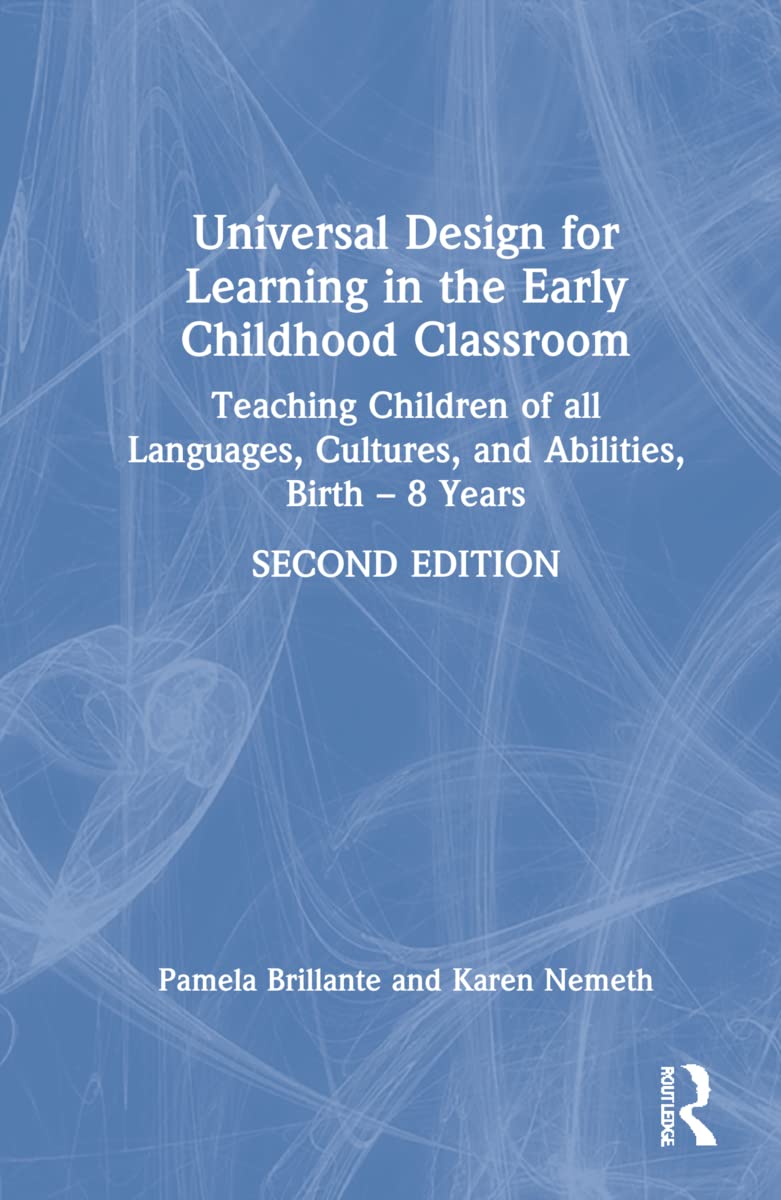
Universal Design for Learning in the Early Childhood Classroom
Universal Design for Learning in the Early Childhood Classroom
Price subject to change. Tap below for current.
Couldn't load pickup availability
In this review of Universal Design for Learning in the Early Childhood Classroom, Second Edition, the bottom line is that this book is a practical, classroom-ready guide for PreK to Grade 3 teachers who need concrete ways to plan inclusive instruction. Karen Nemeth's updated edition focuses on proactive design so teachers can build flexible lessons, environments, and assessments that reach all children; the single biggest reason to buy is its strong emphasis on usable strategies that translate directly into daily practice, not just theory.
Key Features
- Practical classroom focus: Provides ready-to-use approaches for designing lessons and environments that accommodate diverse learners in PreK through Grade 3.
- Updated inclusion language: Uses clearer, current terminology to elevate discussions about access and anti-bias practice for early childhood settings.
- Trauma-informed and strength-based content: Offers guidance on supporting children's emotional needs and building on their strengths in everyday routines.
- Social-emotional learning integration: Connects UDL principles to SEL so teachers can support regulation and social skills alongside academics.
- Family partnerships guidance: Suggests practical ways to involve families and reinforce inclusive practices beyond the classroom.
- Remote and virtual technology ideas: Includes examples for using remote tools to maintain access when teaching outside the classroom.
Who It's For
Teachers of early learners, instructional coaches, and school leaders who work with PreK to Grade 3 classrooms will find the most value, especially those seeking hands-on methods to make daily instruction more inclusive. The book is ideal for practitioners who prefer immediate strategies they can adapt to centers, whole-group lessons, and assessment routines.
Those looking for a deep theoretical treatise on UDL or a university-level research volume may prefer a more academic text; this edition is clearly written for practitioners and school teams rather than exclusively for researchers.
Pros & Cons
Pros
- Clear, practical strategies that teachers can implement during routines and lessons.
- Updated anti-bias language and stronger focus on family engagement and SEL.
- Inclusion of trauma-informed and strength-based approaches that reflect current classroom needs.
- Examples for remote and virtual technology that help maintain access outside the classroom.
Cons
- Because it is practice-oriented, readers seeking dense academic research or exhaustive citations may find it less suited to that purpose.
Specifications
| Title | Universal Design for Learning in the Early Childhood Classroom, Second Edition |
| Author | Karen Nemeth |
| Grade range | PreK through Grade 3 |
| Focus areas | Instruction, environments, assessments, inclusion |
| New content | Trauma-informed practice, strength-based approaches, SEL, family partnerships, remote technology |
| Primary use | Classroom-ready strategies for teachers and school teams |
Our Verdict
For early childhood educators who need a practical, accessible guide to designing inclusive learning, this second edition delivers clear, usable strategies and updated language that reflect current classroom priorities. It offers strong value to teachers and coaches who want to implement UDL, SEL, and trauma-informed practices without wading through dense theory.
Frequently Asked Questions
Does this edition include new topics?
Yes. The second edition adds content on trauma-informed practice, strength-based approaches, social-emotional learning, family partnerships, and remote technology.
What grade levels does the book target?
The book is written for PreK through Grade 3 classrooms and focuses on strategies appropriate for early childhood settings.
Is it practical for daily classroom use?
Yes. The emphasis throughout is on proactive, usable strategies teachers can adapt for instruction, environments, and assessments.
Editor's Take
This second edition is a practical, classroom-ready guide for PreK-Grade 3 teachers, offering usable UDL strategies, updated anti-bias language, and new sections on SEL, trauma-informed practice, and family partnerships.

Recently viewed
Recently viewed products will appear here as customers browse the store.