

Urban Safety and Peacebuilding - Practical Urban Conflict Insights
Urban Safety and Peacebuilding - Practical Urban Conflict Insights
Price subject to change. Tap below for current.
Couldn't load pickup availability
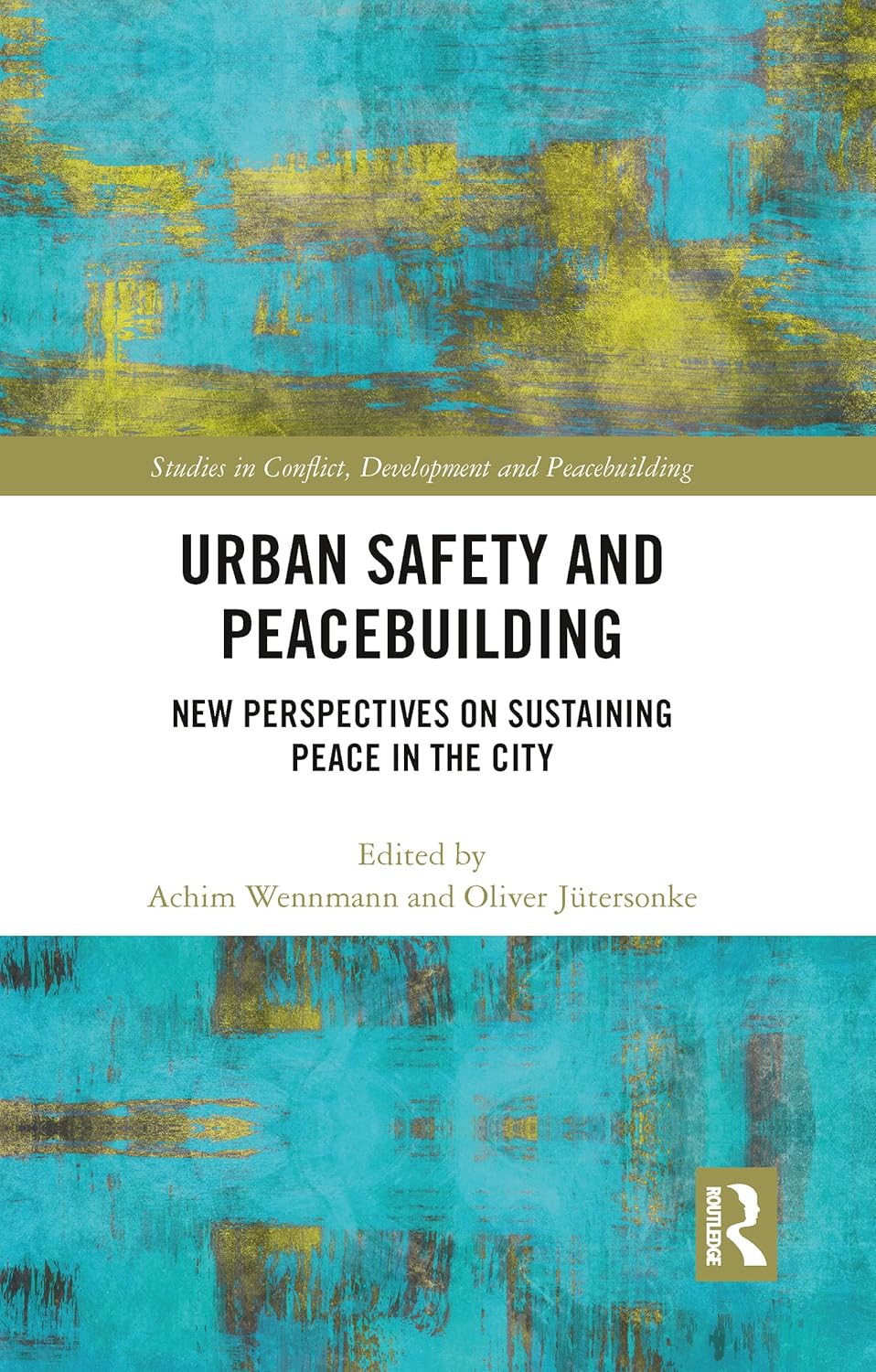
In this review of Urban Safety and Peacebuilding, the volume is presented as a focused academic resource for practitioners and scholars working at the intersection of urban governance, conflict prevention, and peacebuilding. The single biggest reason to buy is its collection of original research and policy-oriented contributions that connect field practice with conceptual advances, offering useful frameworks for those addressing rising urban insecurity and the challenge of sustaining peace in cities.
Key Features
- Focused research synthesis: Brings together original studies that clarify how urban safety and peacebuilding interact, aiding readers who need a consolidated evidence base.
- Practice-oriented contributions: Draws on work from a Technical Working Group and practitioner networks to connect theory with on-the-ground responses to urban violence.
- Policy relevance: Uses a sustaining peace framework to situate new policy responses against conflict, exclusion, and violence in urban settings.
- Interdisciplinary dialogue: Promotes cross-disciplinary conversation by bridging academic specialists, UN-related practitioners, and municipal actors.
- Global institutional backing: Reflects collaboration facilitated by UN Office at Geneva, UN-Habitat Safer Cities Programme, and Geneva Peacebuilding Platform, which supports credibility for policy audiences.
Who It's For
This volume is best suited for policy makers, peacebuilding practitioners, urban planners, and graduate-level students who need a concise collection of contemporary thinking and case-informed methods linking urban safety and peacebuilding. It is particularly useful to readers seeking a sustaining peace perspective that can guide municipal and national policy responses to urban insecurity.
Those looking for step-by-step operational toolkits or detailed empirical case studies of a single city may find the book less directly practical; similarly, casual readers without a background in conflict studies or urban policy will encounter dense academic language and cross-disciplinary framing.
Pros & Cons
Pros
- Collects original research that advances conceptual links between urban safety and peacebuilding for practitioners and scholars.
- Emphasizes a sustaining peace framework, helping align responses to conflict and exclusion in cities.
- Incorporates insights from an international working group and UN-affiliated programmes, enhancing relevance to policy audiences.
Cons
- Not a practical operations manual; readers seeking granular implementation tools may need supplementary resources.
Specifications
| Title | Urban Safety and Peacebuilding |
| Series | Studies in Conflict, Development and Peacebuilding |
| Editors / Brand | Achim Wennmann, Oliver Jutersonke |
| Scope | Conceptual and practical advances at the urban safety and peacebuilding interface |
| Affiliated networks | Technical Working Group; UN Office at Geneva; UN-Habitat; Geneva Peacebuilding Platform |
| Primary framework | Sustaining peace |
Our Verdict
Urban Safety and Peacebuilding is a valuable, policy-minded collection for professionals and advanced students who need conceptual clarity and cross-disciplinary perspectives on urban conflict and peacebuilding. It offers strong institutional grounding and useful frameworks, making it good value for those shaping city-level responses to violence and exclusion, while those needing practical toolkits should supplement it with field manuals.
Frequently Asked Questions
Does this book focus on practice or theory?
The book blends conceptual advances with practice-oriented contributions, leaning toward policy and framework development rather than step-by-step field guides.
Who contributed to the research in this volume?
Contributors include researchers and practitioners associated with a Technical Working Group co-facilitated by the UN Office at Geneva, UN-Habitat Safer Cities Programme, and the Geneva Peacebuilding Platform.
Is this suitable for undergraduate readers?
Undergraduates with interest in conflict studies may find it useful, but the language and cross-disciplinary framing are better suited to graduate students and professionals.
Editor's Take
Urban Safety and Peacebuilding is a policy-minded, cross-disciplinary collection that clarifies links between urban safety and peacebuilding; it is valuable for practitioners and advanced students shaping city-level responses to violence, though it is not a step-by-step field manual.

Recently viewed
Recently viewed products will appear here as customers browse the store.