

US Foreign Policy and the Multinational Force in Lebanon
US Foreign Policy and the Multinational Force in Lebanon
Price subject to change. Tap below for current.
Couldn't load pickup availability
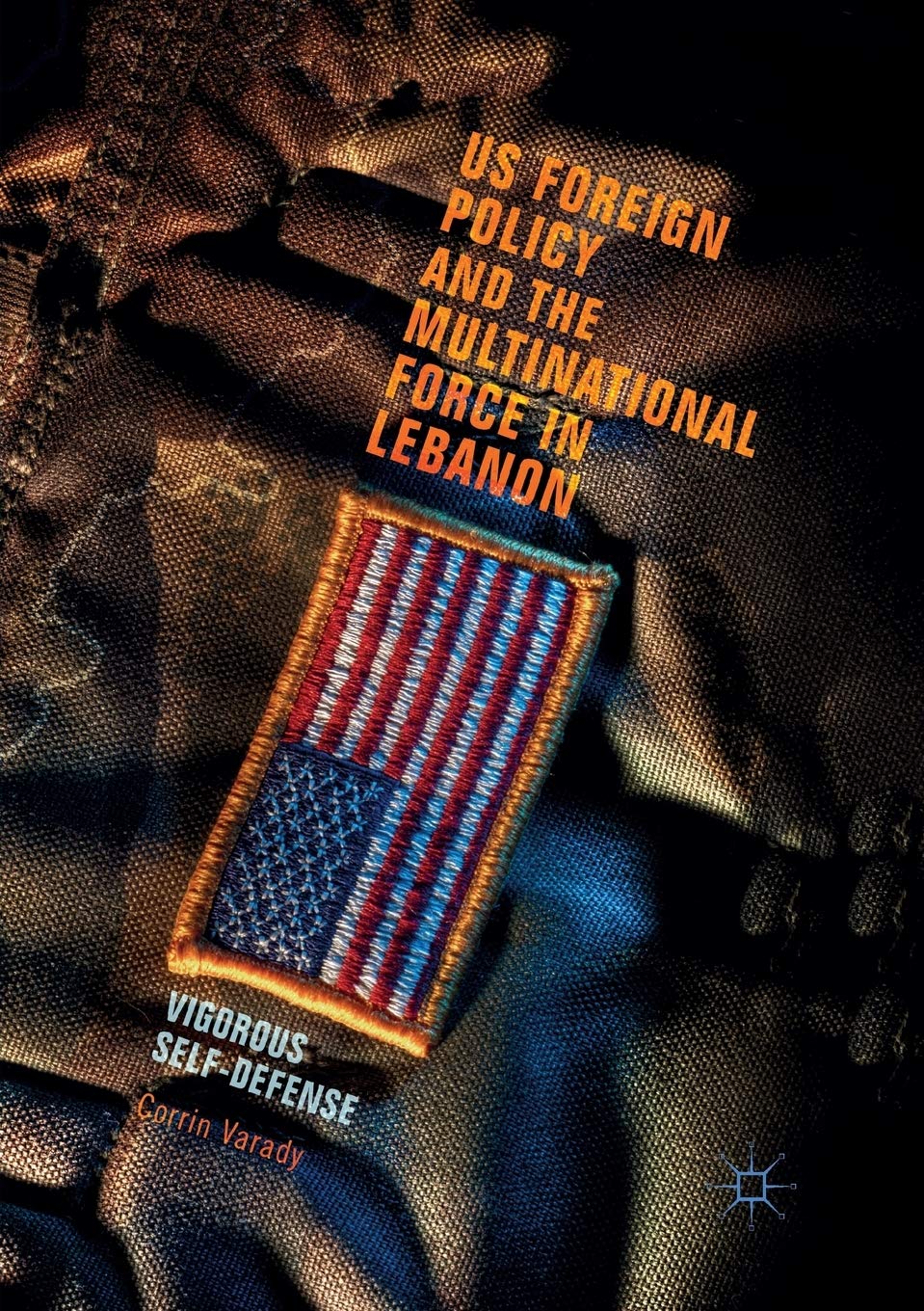
In this review of US Foreign Policy and the Multinational Force in Lebanon: Vigorous Self-Defense, the reviewer argues this book is best for readers who want a document-driven, inside-look at the Reagan Administration's choices in Lebanon. Based on newly released archival materials from senior Washington officials, the book's single biggest contribution is its detailed reconstruction of decision making that shows why the US-led Multinational Force became militarily entangled rather than a neutral peacekeeping presence. This is a focused, analytical account rather than a broad military history, and it will appeal to readers seeking primary-source interpretation and policy analysis.
Key Features
- Archival evidence: The book uses newly released memoranda and records from officials including President Reagan and Cabinet members to underpin its claims, giving readers direct access to high-level thinking.
- Decision-making focus: It traces the administrative drivers and internal debates that led to intervention, helping readers understand why policy choices were made.
- Reassessment of intent: The author challenges the conventional view of the deployment as pure peacekeeping, arguing the administration expected political leverage from the Multinational Force.
- Contextual analysis: The narrative situates US moves within the complex political landscape of the Lebanese Civil War, clarifying why simple explanations fall short.
- Senior-source perspective: By drawing on statements and files from senior officials, the book offers perspective rooted in those who shaped policy, useful for researchers and students.
Who It's For
The book is aimed at readers of international politics, policy analysts, graduate students, and historians who want a documentary-grounded study of US involvement in Lebanon in 1982. It is particularly valuable for anyone researching the Reagan Administration, civil-military relations, or limits of peace operations that turn into counterinsurgency commitments.
Those seeking a general popular history or a battlefield-level military narrative should look elsewhere, as the book prioritizes archival interpretation and policy decision analysis over operational detail and firsthand combat accounts.
Pros & Cons
Pros
- Grounded in primary archival material, giving credibility to its reinterpretation of events.
- Clear focus on the internal decision-making processes of the Reagan Administration.
- Reframes common assumptions about peacekeeping, prompting fresh discussion in policy circles.
Cons
- Limited appeal to readers looking for granular military or on-the-ground narratives.
Specifications
| Title | US Foreign Policy and the Multinational Force in Lebanon: Vigorous Self-Defense |
| Author | Corrin Varady |
| Subject | US foreign policy and Lebanon 1982 |
| Source material | Newly released archival materials from senior Washington officials |
| Focus | Decision-making and political context of US intervention |
| Intended audience | Policy analysts, historians, students of international politics |
Our Verdict
This is a valuable, evidence-driven study for readers wanting a rigorous reassessment of the Reagan Administration's role in Lebanon. Its use of archival documents and focus on policy choices makes it good value for students and analysts seeking to understand how peacekeeping missions can become militarily entangled.
Frequently Asked Questions
Does the book use original documents?
The book relies on newly released archival materials from high-level Washington officials to support its arguments.
Is this a military campaign history?
No, the emphasis is on decision making and political context rather than tactical battlefield details.
Who benefits most from reading this book?
Policy analysts, historians, and graduate students studying US foreign policy and international interventions will benefit most.
Editor's Take
A document-driven reassessment that uses newly released archives to explain why the Reagan Administration's decisions drew the Multinational Force into Lebanon; recommended for policy analysts and historians seeking evidence-based analysis.

Recently viewed
Recently viewed products will appear here as customers browse the store.