

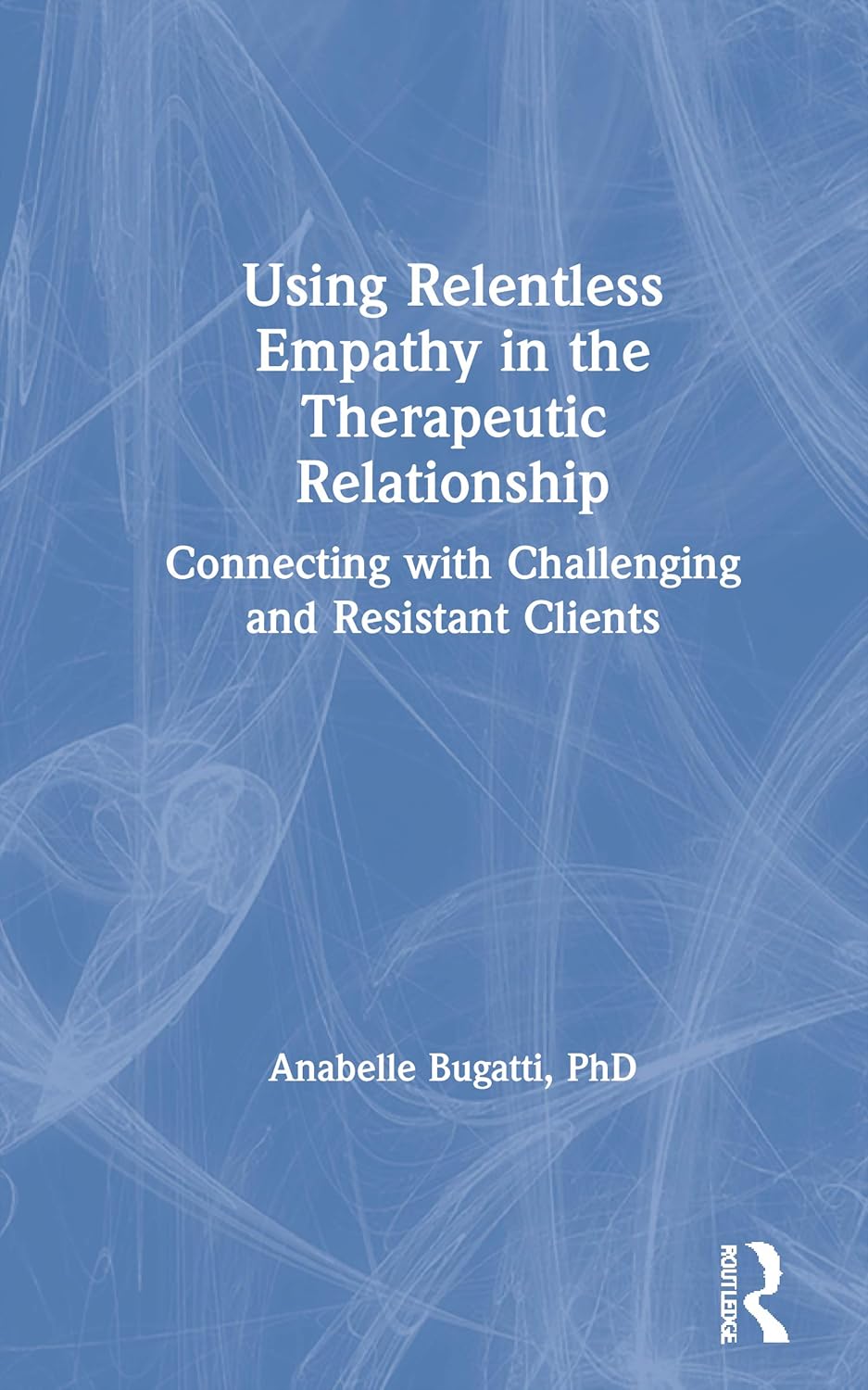
Using Relentless Empathy in the Therapeutic Relationship - Practical
Using Relentless Empathy in the Therapeutic Relationship - Practical
Price subject to change. Tap below for current.
Couldn't load pickup availability
In this review of Using Relentless Empathy in the Therapeutic Relationship, the bottom line is clear: this book is for practicing clinicians and trainees who need a practical, attachment-informed approach to work with resistant or challenging clients. The review finds the main value lies in its focus on empathic responsiveness as a primary tool for strengthening alliances, with concrete guidance that translates theory into interventions. Readers looking for step-by-step, clinically useful ideas will appreciate the balanced mix of attachment science and real-world techniques.
Key Features
- Relentless empathy focus: Emphasizes empathic responsiveness as a foundational technique to engage clients who appear resistant, helping therapists move beyond diagnostic labels.
- Attachment-informed: Uses attachment science to explain client behavior and to guide interventions that foster secure therapeutic bonds.
- Practical tools: Presents concrete tools and tips clinicians can apply immediately across counseling modalities to improve alliance with difficult clients.
- Clinically oriented: Designed for use in real sessions, with questions and techniques that support self-reflection and therapist skill development.
- Training value: Useful as a teaching resource for trainees and supervisors who want to learn empathic strategies grounded in theory and practice.
Who It's For
This book is best suited to licensed therapists, counselors, clinical social workers, and trainees who regularly encounter clients whose distress challenges typical interventions and who want to strengthen therapeutic alliances using empathy-centered techniques. It is also a practical resource for supervisors and instructors seeking discussion prompts and clinically relevant examples for training.
Those looking for a comprehensive textbook on assessment metrics, or a manual focused on a single modality with lengthy protocolized steps, may find this book less suited to their needs; it prioritizes relational approach and empathic stance over prescriptive symptom checklists.
Pros & Cons
Pros
- Clearly reframes resistance as a relational phenomenon, making responses more collaborative and less pathologizing.
- Offers readily applicable techniques that therapists reported finding useful for trainee development and session work.
- Grounds practical tips in attachment theory, giving clinicians a coherent conceptual framework to explain client behavior.
Cons
- Not a prescriptive, step-by-step treatment manual, so clinicians seeking rigid protocols may want supplementary resources.
Specifications
| Title | Using Relentless Empathy in the Therapeutic Relationship |
| Author | Anabelle Bugatti |
| Primary focus | Empathic responsiveness and attachment-informed interventions |
| Audience | Therapists, clinicians, trainees, supervisors |
| Use case | Working with resistant or challenging clients across modalities |
| Approach | Practical tools blended with attachment science |
Our Verdict
Using Relentless Empathy in the Therapeutic Relationship is a useful, practice-oriented resource for clinicians who want to strengthen therapeutic alliances through empathic responsiveness. It is good value for therapists and trainees seeking clinically applicable techniques grounded in attachment theory, though those needing rigid manuals may need additional guides.
Frequently Asked Questions
Is this book suitable for trainees?
Yes. The book includes practical questions and tools that trainees and supervisors can use for skill development and self-reflection.
Does it provide step-by-step treatment protocols?
No. The emphasis is on relational strategies and empathic interventions rather than prescriptive protocolized steps.
Which clinical settings benefit most?
It is applicable across counseling modalities and helpful in outpatient, community, and training clinic settings where building strong alliances is essential.
Editor's Take
A practical, attachment-informed resource for clinicians and trainees that prioritizes empathic responsiveness to improve therapeutic alliances; valuable for those seeking applicable tools rather than rigid protocols.

Recently viewed
Recently viewed products will appear here as customers browse the store.