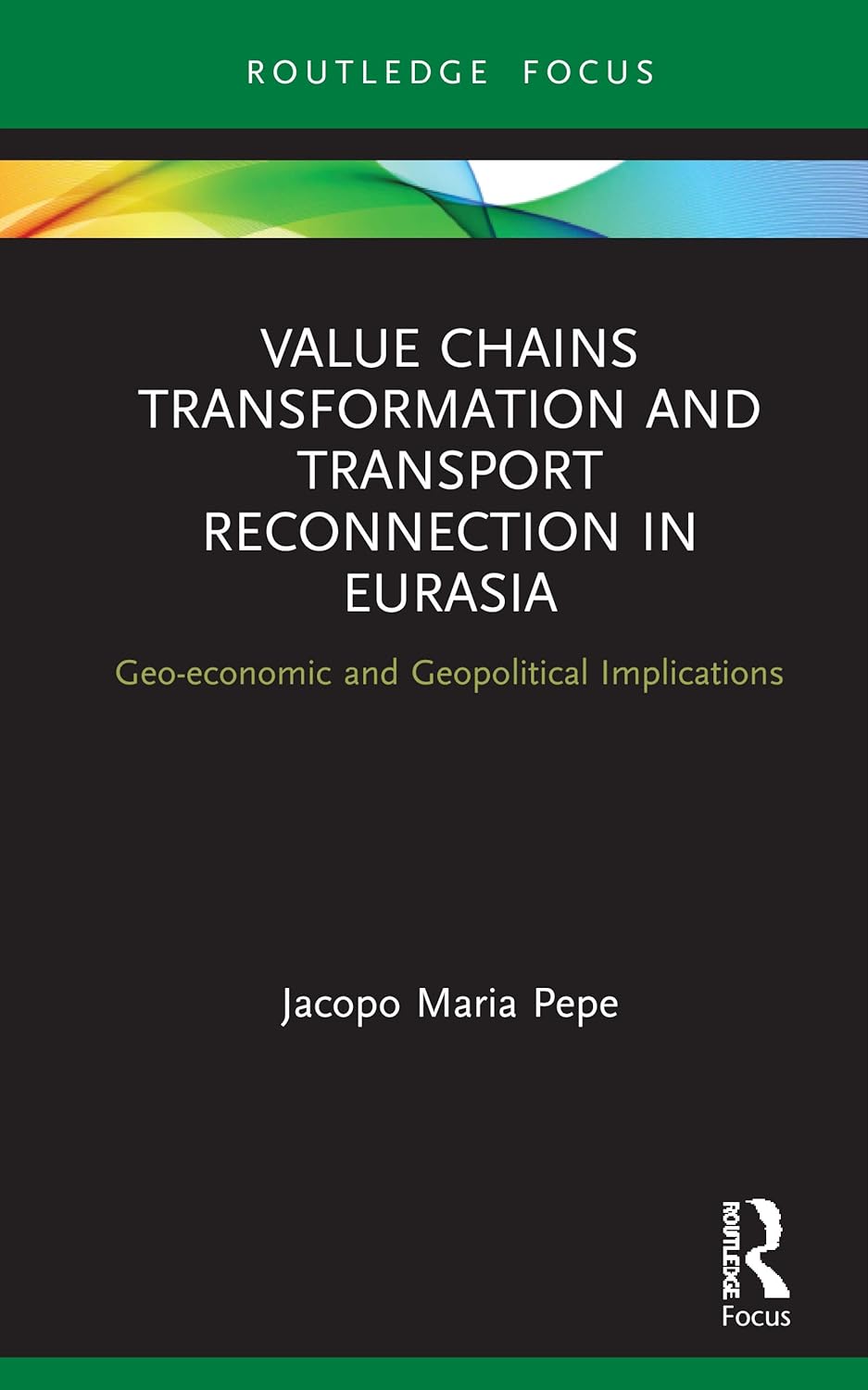
Value Chains Transformation and Transport Reconnection in Eurasia
Value Chains Transformation and Transport Reconnection in Eurasia
Price subject to change. Tap below for current.
Couldn't load pickup availability
The book Value Chains Transformation and Transport Reconnection in Eurasia by Jacopo Maria Pepe offers a comprehensive analysis of the evolving dynamics in international trade. It delves into how value chains are being reshaped in the context of Eurasian transport networks. The author presents a detailed examination of the factors driving these transformations, making it an essential read for anyone interested in global economics.
One of the key themes of the book is the impact of transport reconnection on regional economies. The author argues that improved transport links can significantly enhance trade efficiency and economic growth. By analyzing various case studies, the book illustrates how countries in Eurasia are leveraging their geographical advantages to optimize their supply chains.
Moreover, the book highlights the role of innovations in international affairs in facilitating these changes. The author discusses how technological advancements and policy reforms are crucial for modernizing transport infrastructures. This section is particularly insightful for policymakers and business leaders looking to navigate the complexities of international trade.
Another important aspect covered in the book is the environmental implications of transport reconnection. The author emphasizes the need for sustainable practices in the development of transport networks. By integrating sustainability into value chains, countries can not only boost their economies but also address pressing environmental challenges.
Throughout the book, Pepe provides a balanced perspective by incorporating various viewpoints from industry experts and scholars. This makes the book a valuable resource for academics and practitioners alike. The discussions around regional cooperation and the importance of collaborative efforts in enhancing transport connectivity are particularly noteworthy.
In conclusion, Value Chains Transformation and Transport Reconnection in Eurasia is a timely and relevant contribution to the field of international trade. It equips readers with the knowledge to understand the complexities of modern value chains and the critical role of transport in shaping economic landscapes. Whether you are a student, researcher, or industry professional, this book is a must-read for anyone looking to deepen their understanding of Eurasian trade dynamics.
Share