

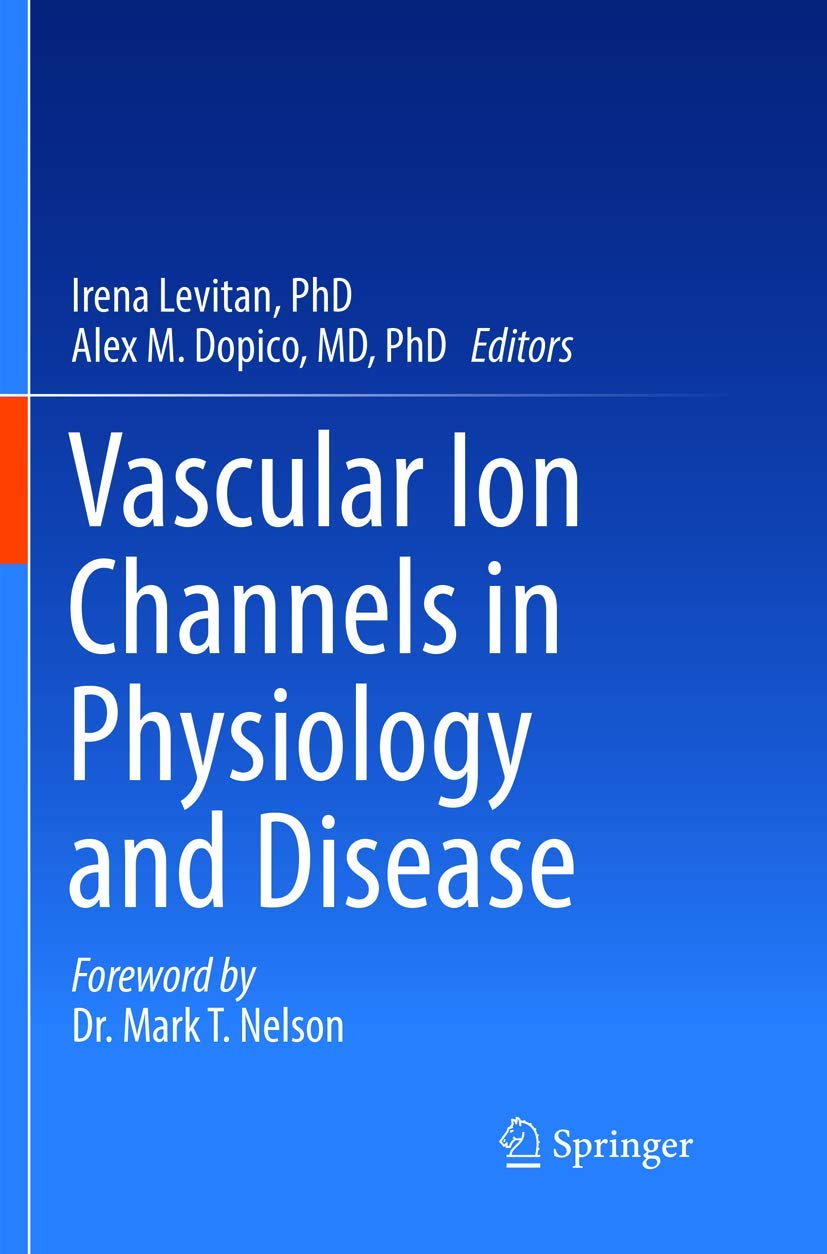
Vascular Ion Channels in Physiology and Disease - Expert
Vascular Ion Channels in Physiology and Disease - Expert
Price subject to change. Tap below for current.
Couldn't load pickup availability
In this review of Vascular Ion Channels in Physiology and Disease, the bottom line is clear: this book is a focused, scholarly resource for researchers and advanced students who need a concentrated examination of how ion channels influence vascular function and pathology. The author presents a thorough discussion of ion channel roles in blood vessels, connecting molecular mechanisms to conditions such as hypertension, atherosclerosis, vasospasm, and diabetes. Readers seeking clinical handbooks or broad textbook surveys may find it narrowly specialized, but anyone investigating vascular electrophysiology or signaling will appreciate the depth.
Key Features
- Focused vascular emphasis: Concentrates specifically on ion channel function in vascular tissues, which helps readers link channel biology to vascular disease mechanisms.
- Physiology to pathology coverage: Explains how normal ion channel activities translate to pathological states including hypertension and atherosclerosis, aiding hypothesis generation for research.
- Cellular and molecular perspective: Discusses channel roles in proliferation, insulin secretion, and intracellular signaling, providing a cellular-level foundation for vascular phenomena.
- Interdisciplinary relevance: Useful for investigators across physiology, cardiovascular research, and cell biology who need detailed channel information tied to vascular outcomes.
- Authoritative authorship: Written by a subject-matter expert, the book organizes current understanding of ion channels with an emphasis on vascular applications.
Who It's For
This volume is best suited for graduate students, postdoctoral researchers, and principal investigators working in vascular biology, cardiovascular physiology, and related cellular signaling fields who need a compact, topic-specific reference. It will also benefit clinicians with a research interest in mechanisms underlying vascular disorders who want to understand ion channel contributions to disease.
Conversely, undergraduate students seeking a general introduction to ion channels or practitioners wanting treatment guidelines should look elsewhere; the text assumes familiarity with electrophysiology concepts and prioritizes mechanistic detail over clinical protocols or basic pedagogy.
Pros & Cons
Pros
- Concentrated coverage of vascular ion channels makes literature navigation efficient for specialists.
- Clear linkage of channel function to diseases such as hypertension and atherosclerosis aids translational thinking.
- Includes cellular signaling contexts like proliferation and insulin secretion that broaden research applicability.
Cons
- Scope is specialized and may be too narrow for readers seeking broad ion channel overviews or clinical treatment guidance.
Specifications
| Title | Vascular Ion Channels in Physiology and Disease |
| Author | Irena Levitan PhD |
| Primary focus | Ion channel roles in vascular tissues |
| Key topics | Hypertension, atherosclerosis, vasospasm, diabetes, angiogenesis |
| Approach | Cellular and molecular physiology linked to pathology |
| Target audience | Researchers, advanced students, clinician-scientists |
Our Verdict
Vascular Ion Channels in Physiology and Disease is a valuable, narrowly tailored resource for researchers and advanced students focused on vascular electrophysiology and signaling. Its detailed treatment of how ion channels contribute to vascular pathology makes it good value for investigators seeking mechanistic insight, though it is not intended as a general textbook or clinical manual.
Frequently Asked Questions
Does this book cover clinical treatment of vascular disease?
Answer. No, the book emphasizes mechanistic roles of ion channels and is not a clinical treatment guide.
Who is the intended reader?
Answer. Researchers, graduate students, and clinician-scientists interested in vascular physiology and molecular mechanisms will benefit most.
Are nonvascular ion channels discussed?
Answer. The primary focus is vascular tissues, though related cellular signaling and ion channel functions in other cell types are referenced where relevant.
Editor's Take
A focused, scholarly resource for researchers and advanced students interested in how ion channels drive vascular physiology and pathology; valuable for mechanistic insight though not a clinical or introductory textbook.

Recently viewed
Recently viewed products will appear here as customers browse the store.