Regular price
$127.00 USD
Price subject to change. Tap below for current.
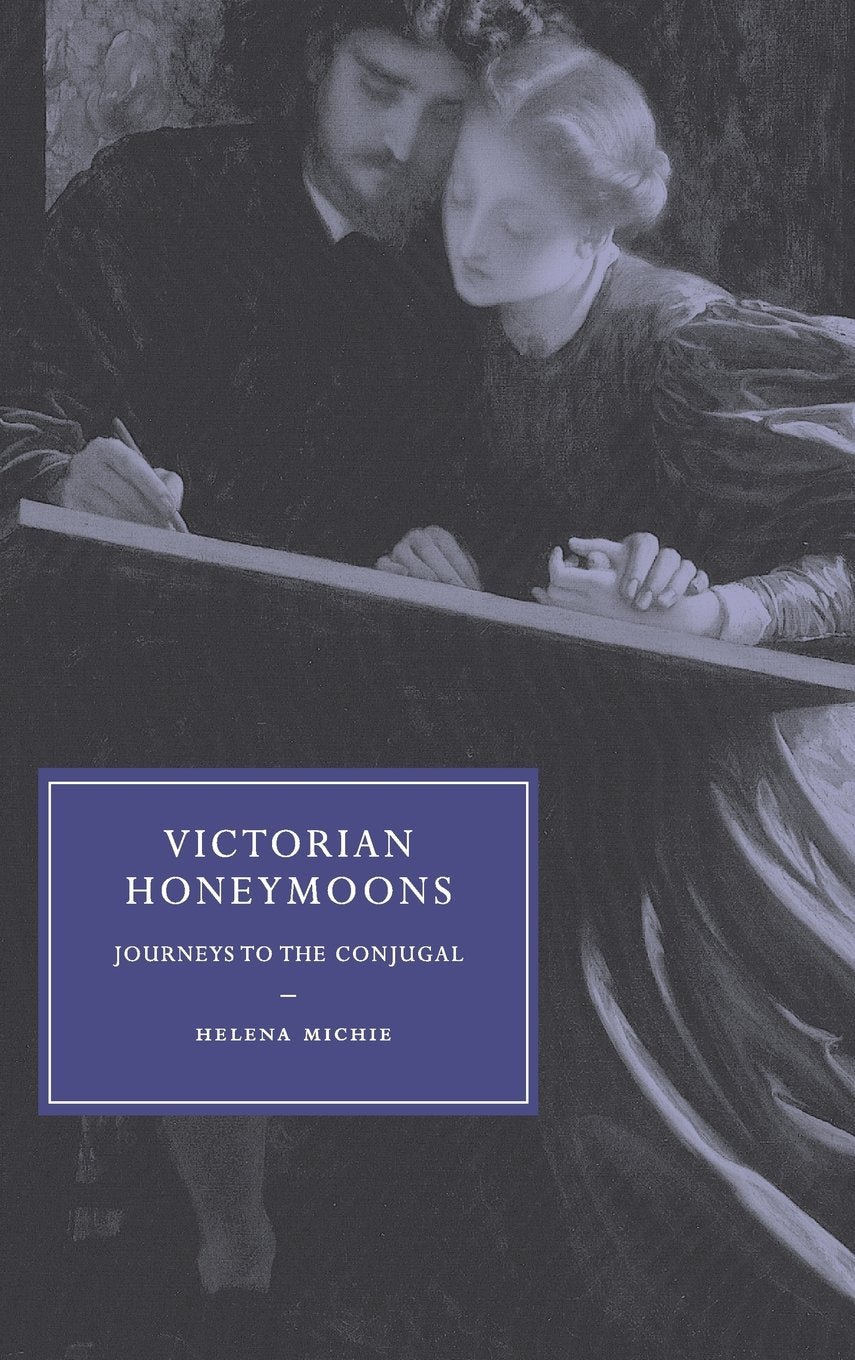
Explore the intricate world of Victorian honeymoons with Helena Michie's insightful work, Victorian Honeymoons: Journeys to the Conjugal. This book delves into the cultural significance of honeymoons during the Victorian era, revealing how these journeys shaped marital relationships and societal norms.
In this compelling narrative, Michie examines the historical context of honeymoons, highlighting their evolution from mere travel to a profound rite of passage for newlyweds. The author meticulously analyzes various texts and cultural artifacts, providing readers with a rich understanding of how these journeys were perceived and experienced.
One of the standout features of this book is its exploration of the gender dynamics at play during the Victorian period. Michie sheds light on how societal expectations influenced the roles of men and women during their honeymoon, offering a nuanced perspective that challenges traditional views.
Additionally, the book discusses the literary representations of honeymoons, drawing connections between fiction and real-life experiences. Through careful analysis, Michie illustrates how literature both reflected and shaped the cultural attitudes towards marriage and intimacy.
Readers will appreciate the depth of research that Michie brings to the table, as she weaves together historical accounts, literary analysis, and cultural critique. The book is not only informative but also engaging, making it a valuable addition to the library of anyone interested in Victorian literature or cultural studies.
Furthermore, Michie's writing style is accessible, allowing readers from various backgrounds to engage with the material. Whether you are a scholar, a student, or simply a curious reader, Victorian Honeymoons offers a captivating journey through time.
In conclusion, Helena Michie's Victorian Honeymoons: Journeys to the Conjugal is a must-read for those looking to understand the complexities of marriage and honeymooning in the 19th century. Its rich analysis and engaging narrative make it a standout work in the field of narrative studies.