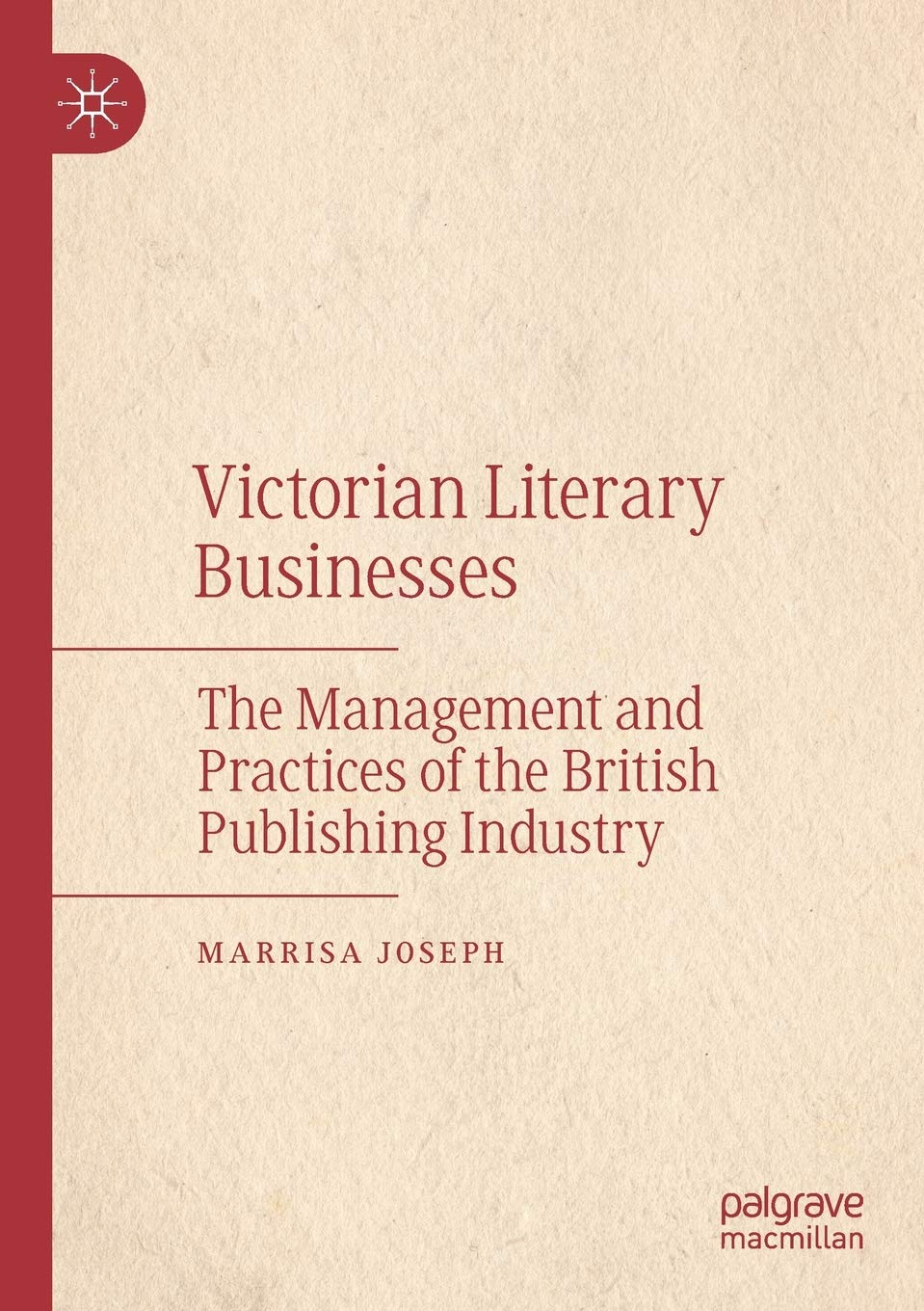
Victorian Literary Businesses: Practices in British Publishing
Victorian Literary Businesses: Practices in British Publishing
Price subject to change. Tap below for current.
Couldn't load pickup availability
The Victorian Literary Businesses book offers an in-depth look into the management and practices that shaped the British publishing industry during the Victorian era. This comprehensive analysis reveals how various factors influenced the growth and evolution of literary businesses in a time of significant social and technological change.
Readers will discover the intricate workings of the publishing industry, including the roles of publishers, authors, and the market dynamics that drove the success of literary works. The book delves into the management practices that were prevalent during this period, providing insights into how these practices impacted the production and distribution of literature.
One of the key themes explored in this book is the relationship between authors and publishers. The author highlights the collaborative efforts that were essential for bringing literary works to the public. This relationship was often fraught with challenges, as authors sought to maintain their creative integrity while publishers aimed for commercial success.
The Victorian era was marked by a surge in literacy rates and the proliferation of printed materials. This book examines how these changes created new opportunities for literary entrepreneurs and transformed the landscape of publishing. The author provides case studies of notable figures and companies that played pivotal roles in this transformation.
In addition to the historical context, the book also addresses the technological advancements that revolutionized the publishing industry. Innovations such as the steam-powered printing press and advances in typesetting significantly reduced production costs and increased the speed at which books could be published. This led to a greater availability of literature for the masses, a topic that is thoroughly explored in the text.
Furthermore, the book discusses the impact of cultural shifts on the publishing industry. As societal norms evolved, so too did the types of literature that gained popularity. The author analyzes how changing tastes influenced the kinds of books that were published and the marketing strategies employed by publishers.
Overall, Victorian Literary Businesses is an essential read for anyone interested in the history of publishing and literature. It provides a rich tapestry of information that illustrates the complexities of the industry during a transformative period. The book is not only informative but also engaging, making it a valuable addition to the library of any literary enthusiast or scholar.
Share