

Vietnam, Jews and the Middle East: Unintended Consequences
Vietnam, Jews and the Middle East: Unintended Consequences
Price subject to change. Tap below for current.
Couldn't load pickup availability
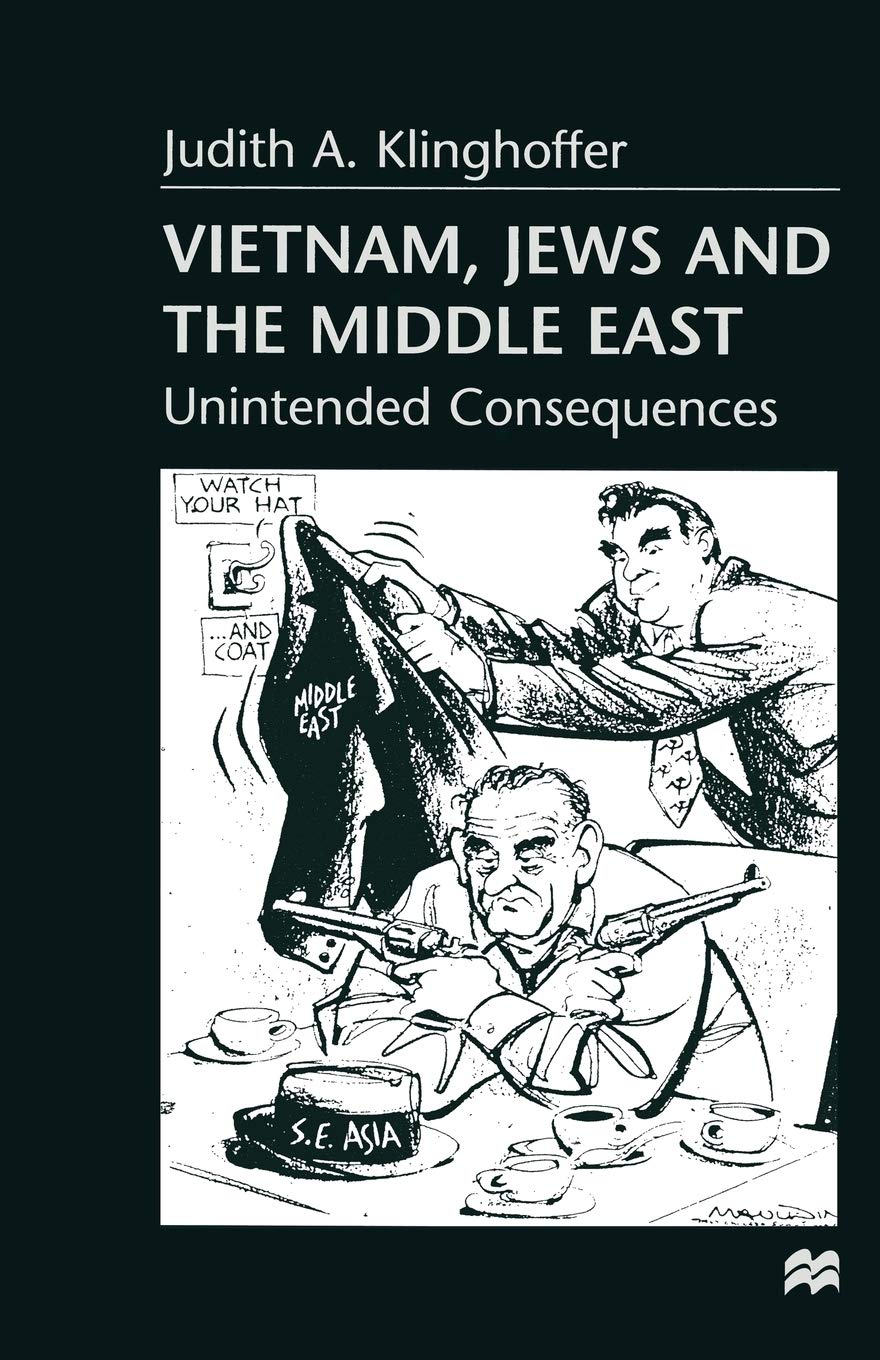
In this review the book Vietnam, Jews and the Middle East: Unintended Consequences is presented as a focused historical analysis for readers who want to understand Cold War ripple effects on Middle Eastern politics. The author examines how the 1967 crisis was shaped partly by Washington's Vietnam policy and Moscow's reaction, showing that shifts in US focus had unintended strategic consequences for Israel and the broader region. This review highlights the book's argument-driven narrative, archival emphasis, and usefulness for students of modern diplomacy.
Key Features
- Historical argument: Traces how American escalation in Vietnam indirectly created a Soviet-Middle East crisis in 1967, clarifying geopolitical linkages.
- Political analysis: Shows how Israel's decisions and perceived alignment with US policy affected Soviet threat perceptions and regional dynamics.
- Archival perspective: Uses diplomatic events and policy reactions to interpret why Moscow viewed Israel as a proxy target after the Six Day War.
- Social context: Connects grassroots movements and elites by describing American rabbis in the peace movement and shifts among liberal thinkers toward neo-conservatism.
- Comparative framework: Links Palestinian tactics to Vietnamese insurgency ideas, offering readers a cross-regional comparison that illuminates strategy and rhetoric.
Who It's For
This book is best suited to readers interested in international and Cold War history, particularly students, instructors, and policy analysts who want a focused case study of how US military commitments can reshape distant theaters. It will also appeal to readers curious about Israel's diplomatic dilemmas in 1967 and how global superpower rivalry projected into regional conflicts.
Those looking for a general survey of the Arab-Israeli conflict or a popular narrative memoir should look elsewhere; this work is analytical and thematic rather than a broad introductory textbook or a personal account.
Pros & Cons
Pros
- Provides a clear, argument-centered interpretation of the 1967 crisis that connects Vietnam policy to Middle East outcomes.
- Illuminates under-discussed actors, such as American rabbis and liberal intellectual shifts, adding social nuance to diplomatic history.
- Offers a comparative lens by relating Palestinian strategy to Vietnamese insurgency, which deepens understanding of political tactics.
Cons
- The book is narrowly focused on the unintended geopolitical consequences and is not a comprehensive primer on all aspects of the Six Day War era.
Specifications
| Title | Vietnam, Jews and the Middle East: Unintended Consequences |
| Author | Judith A. Klinghoffer |
| Subject focus | Cold War, Middle East politics, Vietnam-era impacts |
| Key events covered | 1967 crisis, Six Day War, US escalation in Vietnam |
| Analytical themes | Soviet penetration, Palestinian tactics, US-Israel relations |
| Intended audience | Students, historians, policy analysts |
Our Verdict
Vietnam, Jews and the Middle East: Unintended Consequences is a strong, argument-driven study for readers who want to trace how Vietnam-era US policy reshaped Cold War calculations in the Middle East. Its focused comparative approach and attention to diplomatic reaction make it a worthwhile purchase for specialists and advanced students seeking nuanced context rather than a general survey.
Frequently Asked Questions
Does this book explain Israel's role in the 1967 crisis?
Yes; the author argues Israel's actions and perceived alignment with US policy influenced Soviet threat assessments and regional escalation.
Is this suitable for newcomers to the subject?
It is best for readers with some background in Cold War or Middle East history, as the treatment is analytical and assumes familiarity with major events.
Does it cover social movements of the period?
The book discusses social actors, including American rabbis and liberal intellectual shifts, to show broader domestic influences on foreign policy.
Editor's Take
A focused, argument-driven study showing how US escalation in Vietnam and Soviet reaction helped create the 1967 Middle East crisis; recommended for students and specialists seeking nuanced Cold War context.

Recently viewed
Recently viewed products will appear here as customers browse the store.