

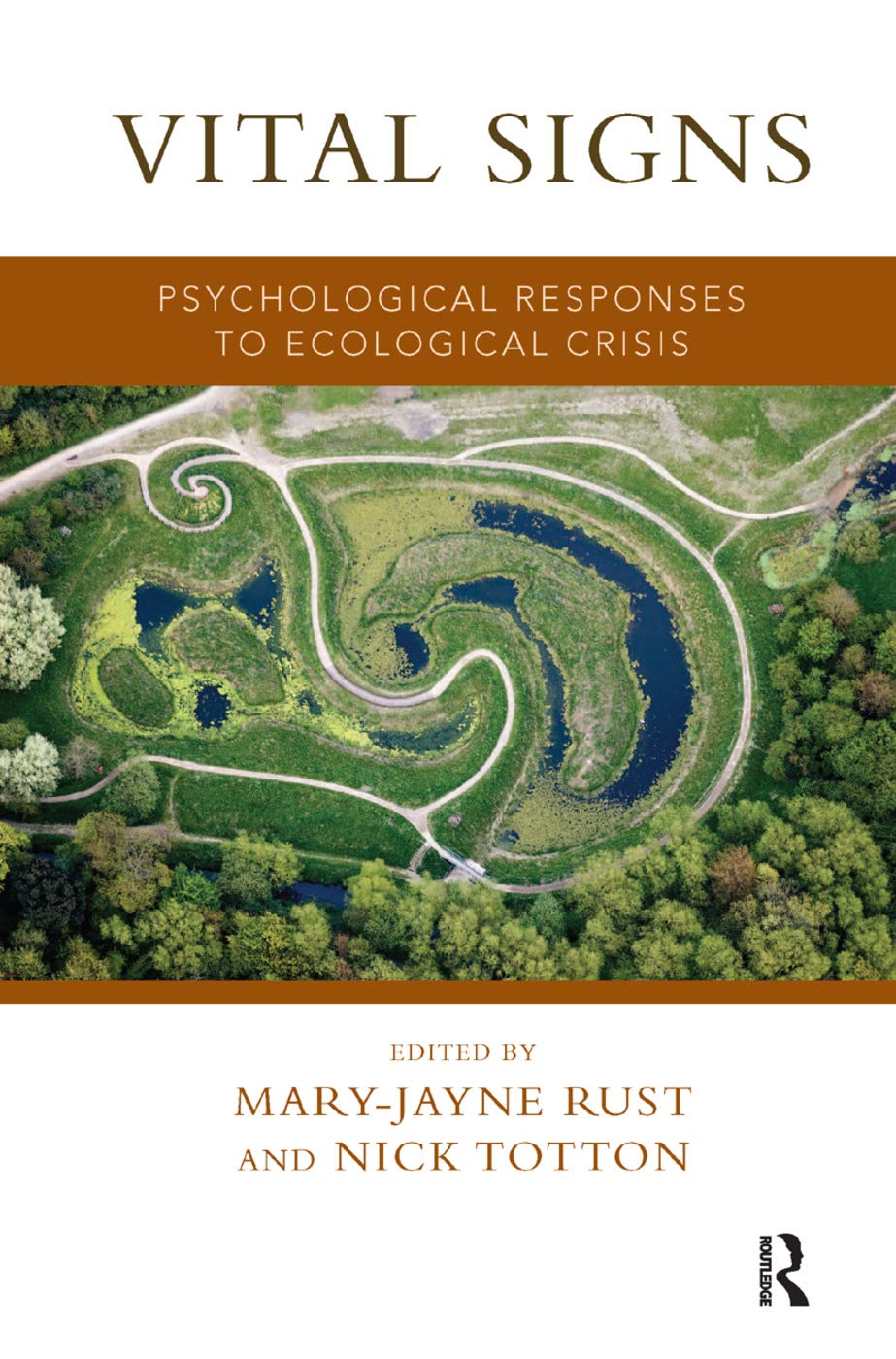
Vital Signs - Psychological Responses to Ecological Crisis
Vital Signs - Psychological Responses to Ecological Crisis
Price subject to change. Tap below for current.
Couldn't load pickup availability
In this review of Vital Signs, the anthology edited by Mary-Jayne Rust and Nick Totton, the bottom line is simple: this book is for readers seeking clear, thoughtful psychological perspectives on contemporary ecological collapse. The collection gathers essays that probe how individuals and communities respond emotionally and cognitively as news of environmental breakdown penetrates defenses. It is best valued for its focused examination of the psychological predicament rather than technical environmental science, offering reflective material for clinicians, students and engaged readers who want accessible links between mental health and ecological stress.
Key Features
- Focused subject: Concentrates on psychological responses to ecological crises so readers get targeted insight into emotional and social reactions rather than technical climate data.
- Anthology format: Multiple contributors provide a range of voices and approaches, helping readers see diversity in clinical and theoretical responses.
- Practical reflection: Essays examine how news of environmental decline affects defenses and everyday coping, useful for therapists and counselors exploring client reactions.
- Contextual framing: Positions psychological distress within broader social shifts, aiding readers who want to connect individual symptoms with collective challenges.
- Accessible prose: Writing is oriented toward professionals and informed lay readers, making complex psychological themes approachable without heavy jargon.
Who It's For
Vital Signs is best for mental health professionals, counselors and psychology students looking for informed essays that connect ecological change with clinical practice. Its value lies in reflecting on defenses, grief, anxiety and collective response rather than offering environmental science or prescriptive policy.
Readers seeking a comprehensive scientific primer on climate systems, technical mitigation strategies, or a single-author narrative should look elsewhere; this anthology is oriented toward psychological appraisal and therapeutic implication rather than technical detail.
Pros & Cons
Pros
- Offers a concentrated exploration of the psychological impact of ecological crises useful for clinical reflection.
- Anthology approach provides multiple perspectives so readers can compare theoretical and practical responses.
- Readable for both professionals and engaged public readers, making complex themes approachable.
Cons
- Not a source for environmental science or technical solutions, so readers wanting that will need supplementary texts.
Specifications
| Title | Vital Signs |
| Editors | Mary-Jayne Rust, Nick Totton |
| Subject | Psychological responses to ecological crises |
| Format | Anthology of essays |
| Audience | Clinicians, students, informed readers |
| Focus | Psychological predicament rather than physical environmental systems |
Our Verdict
Vital Signs is a thoughtful, well-curated anthology that succeeds as a psychological companion to environmental concern. Clinicians and students will find useful reflections on how ecological news affects defenses and coping, making it a good value for those wanting clinical insight rather than technical environmental data.
Frequently Asked Questions
Does Vital Signs focus on environmental science?
No. The book concentrates on psychological and therapeutic responses to ecological crises rather than scientific analysis of environmental systems.
Who contributed to this anthology?
It is edited by Mary-Jayne Rust and Nick Totton and contains essays from multiple contributors offering diverse psychological perspectives.
Is this suitable for nonprofessionals?
Yes. While aimed at clinicians and students, the writing is accessible to informed public readers interested in mental health and ecology.
Editor's Take
Vital Signs is a thoughtful anthology that examines psychological responses to ecological crises, offering clinicians and students useful reflections on coping and collective distress; it is valuable for psychological insight rather than scientific detail.

Recently viewed
Recently viewed products will appear here as customers browse the store.