

Votes For Women: Women's and Gender History Book June
Votes For Women: Women's and Gender History Book June
Price subject to change. Tap below for current.
Couldn't load pickup availability
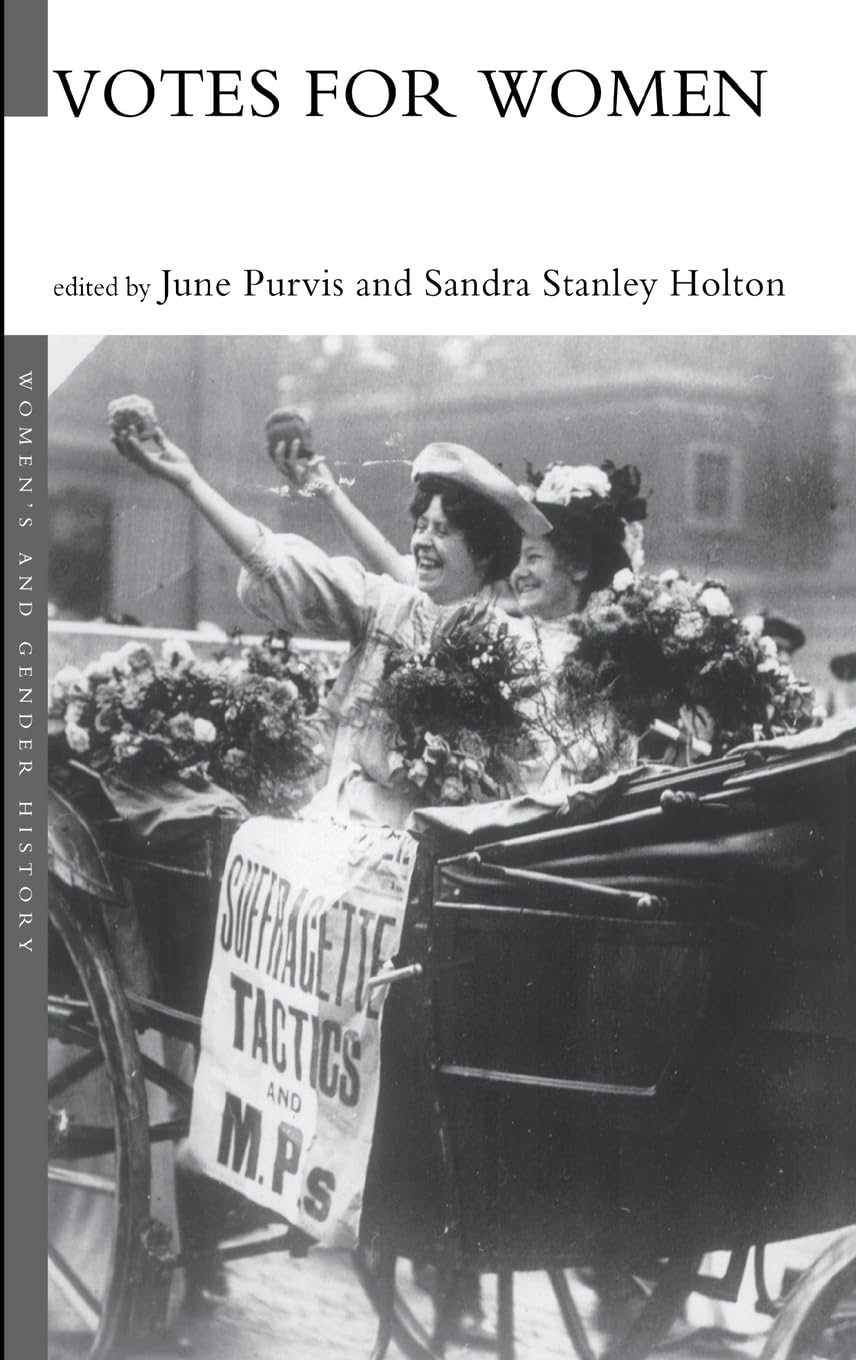
In this review of Votes for Women readers seeking a thoughtful, scholarly re-examination of the British suffrage movement will find what they need: a measured, archival-minded account that challenges prevailing narratives. June Purvis offers a book that is best for readers who want historical nuance rather than a celebratory checklist; the single biggest reason to buy is its re-assessment of key figures and the long sweep from the nineteenth century to the postwar period, which provides context often missing in shorter treatments.
Key Features
- Re-examination of the movement: The book deliberately challenges existing literature to give readers a revised perspective on the suffrage story.
- Chronological scope: It charts the movement from the nineteenth century into the postwar period, helping readers see continuity and change over decades.
- Focus on leading figures: Detailed assessment of Emmeline Pankhurst, Millicent Garrett Fawcett and Jennie Baines clarifies the differences between militant, constitutional and international strands.
- Comparative context: The inclusion of links to international suffrage movements places British developments within a wider global frame.
- Scholarly tone: The writing suits readers who want analysis and reinterpretation rather than popular simplification.
Who It's For
Votes for Women is aimed at students, researchers and informed general readers interested in women's and gender history and the political strategies behind suffrage campaigns. It will appeal to anyone wanting a critical, rather than celebratory, account that examines internal divisions and long-term outcomes.
Those looking for a brief primer, a pictorial coffee-table book, or a purely inspirational narrative of suffrage victories should look elsewhere; this is a work of historical interpretation that assumes some prior interest in political history and historiography.
Pros & Cons
Pros
- Offers a thoughtful re-assessment that updates standard accounts of the suffrage movement.
- Gives clear, distinct treatments of prominent leaders, clarifying the split between militant and constitutional approaches.
- Places British suffrage in an international context through discussion of figures like Jennie Baines.
Cons
- The scholarly tone may be less accessible for readers seeking a quick, popular overview.
Specifications
| Title | Votes for Women |
| Series | Women's and Gender History |
| Author | June Purvis |
| Subject focus | British suffrage movement, nineteenth century to postwar |
| Key figures discussed | Emmeline Pankhurst; Millicent Garrett Fawcett; Jennie Baines |
| Thematic emphasis | Re-examination and reinterpretation of existing literature |
Our Verdict
Votes for Women is a valuable purchase for readers who want a critical, well-argued re-evaluation of the British suffrage movement; its assessment of leading figures and its long chronological sweep make it good value for students and serious readers of political history.
Frequently Asked Questions
Does the book cover both militant and constitutional wings?
Yes; it assesses Emmeline Pankhurst's militant wing and Millicent Garrett Fawcett's constitutional wing.
Is international suffrage discussed?
Yes; the review notes Jennie Baines and links to international suffrage movements to give comparative context.
Who wrote the book?
June Purvis is the author and the work is presented within a women's and gender history framework.
Editor's Take
Votes for Women is a thoughtful re-evaluation of the British suffrage movement, valuable for students and serious readers for its assessments of key figures and long chronological scope.

Recently viewed
Recently viewed products will appear here as customers browse the store.