

War Plans and Alliances in the Cold War - Threat Perceptions
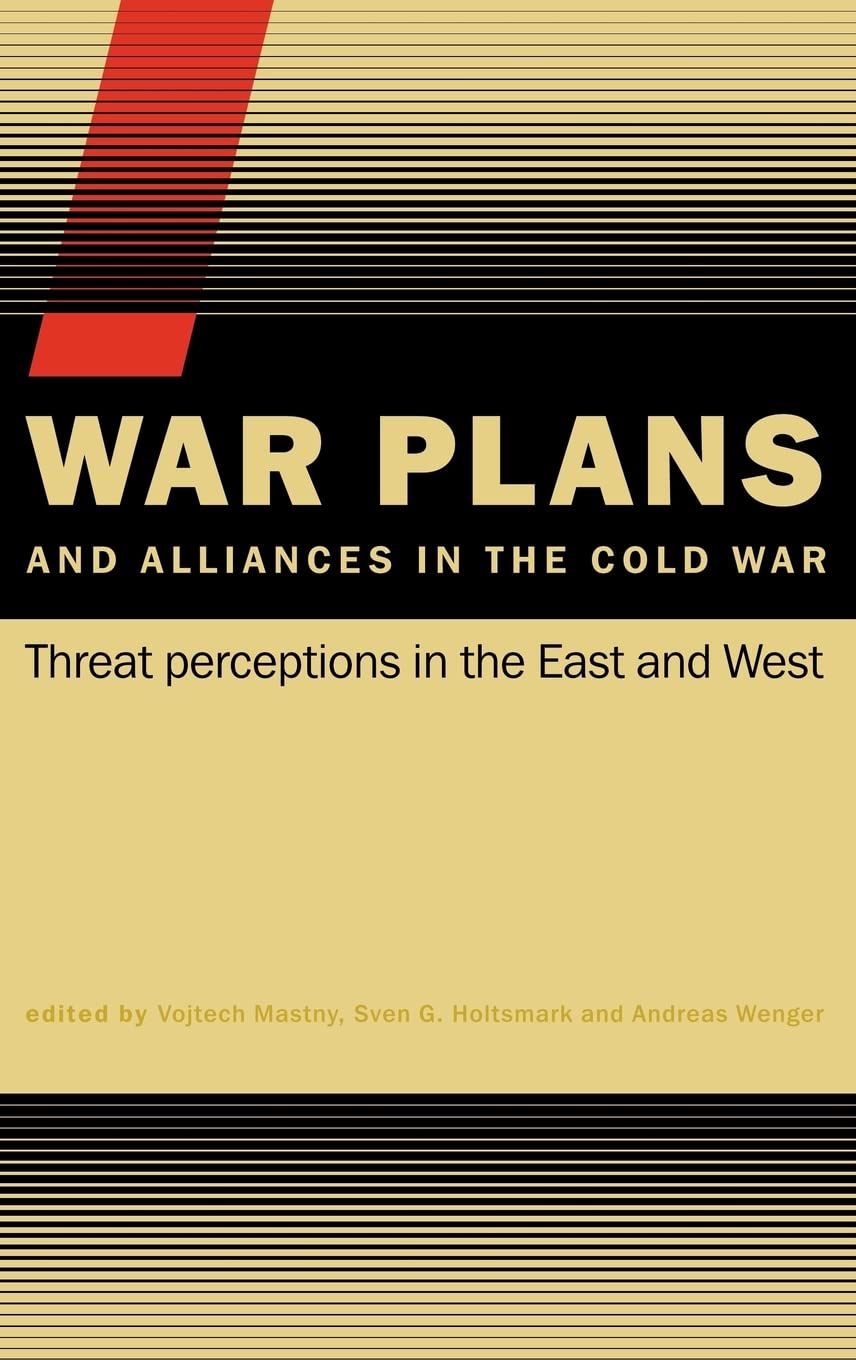
War Plans and Alliances in the Cold War - Threat Perceptions
Price subject to change. Tap below for current.
Couldn't load pickup availability
In this review of War Plans and Alliances in the Cold War the book is presented as a focused academic resource for readers wanting rigorous analysis of Cold War military thinking. The single biggest reason to buy is its use of previously unknown archival evidence from both East and West, which allows the contributors to reconstruct the threat perceptions, military doctrines and war plans of NATO and the Warsaw Pact with unusual clarity. The volume concentrates on the European battlefield and alliance management, making it especially valuable for students, researchers and practitioners interested in Cold War strategy.
Key Features
- Archival evidence: Draws on newly available documents from both Eastern and Western archives to offer primary-source grounding for each essay.
- Comparative analysis: Reviews threat perceptions on both sides, allowing readers to compare NATO and Warsaw Pact military doctrines directly.
- Focus on Europe: Emphasizes the potential European battlefield rather than grand strategic rivalry, clarifying regional operational plans and assumptions.
- Alliance management: Analyzes how military planning and politics interacted within alliances, with implications for contemporary alliance challenges.
- Multi-author perspective: The twelve essays bring varied disciplinary and national viewpoints that deepen understanding of Cold War decision making.
- Post-Cold War reflection: Uses hindsight to reassess earlier speculations about Soviet capabilities and intentions.
Who It's For
The book is best for graduate students, historians and defense analysts who need detailed, source-based accounts of military plans and threat assessment during the Cold War, especially those focused on Europe. The academic tone and essay format suit readers seeking depth rather than a quick narrative.
It is less appropriate for casual readers looking for a broad popular history or a chronological Cold War overview; those audiences should look for more general histories that prioritize storytelling over archival analysis. Readers expecting illustrated timelines or introductory primer material may find the volume dense.
Pros & Cons
Pros
- Solid use of previously unknown archival material provides fresh, evidence-based conclusions about Soviet threat perceptions.
- Clear focus on the European battlefield helps clarify operational assumptions that shaped alliance planning.
- The essays collectively illuminate the political-military interface in alliance management on both sides.
Cons
- The academic essay format and dense source material make it a demanding read for non-specialists.
- Limited coverage of broader superpower strategic competition may leave strategic-level readers wanting wider context.
Specifications
| Title | War Plans and Alliances in the Cold War: Threat Perceptions in the East and West |
| Series | CSS Studies in Security and International Relations |
| Editors / Authors | Vojtech Mastny, Sven Holtsmark, Andreas Wenger |
| Content | Twelve essays based on archival evidence from East and West |
| Focus | European battlefield, NATO and Warsaw Pact war plans and doctrines |
| Approach | Comparative, post-Cold War reassessment |
Our Verdict
War Plans and Alliances in the Cold War is a rigorous, source-rich collection that will repay readers who need a detailed, archival reconstruction of alliance planning and threat perception in Europe. Its focused essays offer valuable insight for specialists and students; while not light reading, the book is good value for anyone seeking evidence-based analysis of how military doctrine and politics shaped Cold War alliances.
Frequently Asked Questions
Does the book use original archival sources?
Yes. The volume is explicitly based on previously unknown archival evidence from both Eastern and Western archives.
Does it cover global superpower strategy?
No. The book concentrates on the European battlefield and alliance dynamics rather than the global strategic competition between superpowers.
Who edited the volume?
The collection is edited by Vojtech Mastny, Sven Holtsmark and Andreas Wenger and comprises a dozen essays.
Editor's Take
This rigorous, archival collection offers a focused reassessment of NATO and Warsaw Pact threat perceptions and European war plans; specialists and students will find it good value for evidence-based analysis.

Recently viewed
Recently viewed products will appear here as customers browse the store.