

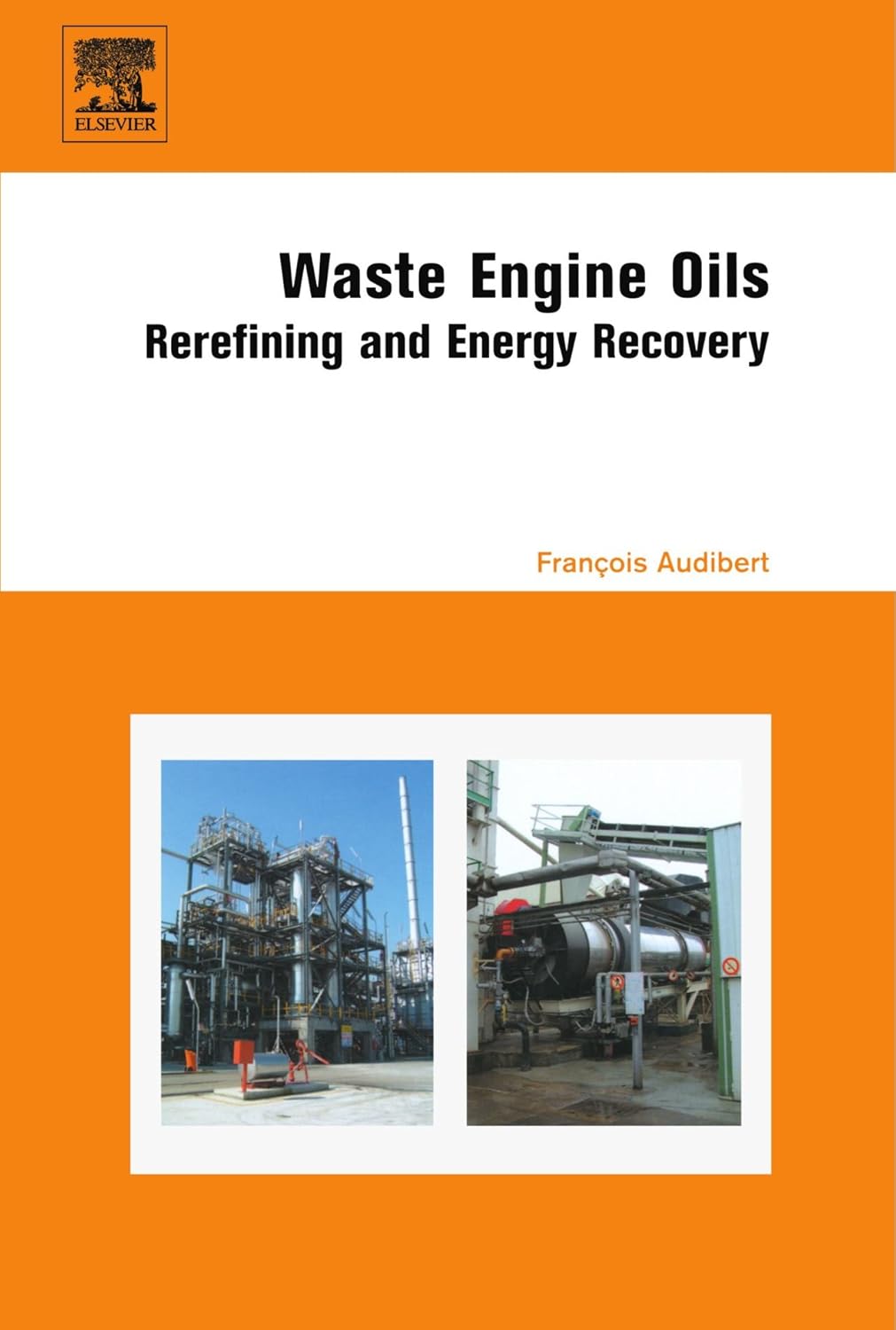
Waste Engine Oils: Rerefining and Energy Recovery - Technical
Waste Engine Oils: Rerefining and Energy Recovery - Technical
Price subject to change. Tap below for current.
Couldn't load pickup availability
In this review of Waste Engine Oils: Rerefining and Energy Recovery the book is presented as a technical reference for engineers, environmental managers, and process designers who need a thorough overview of used engine oil handling and regeneration. The single biggest reason to buy is its detailed coverage of both collection systems and the physical and chemical treatment methods used to recover base oils or convert waste oil to fuel. The text reads like a practitioner's manual and is most valuable for readers seeking process descriptions rather than a high level policy summary.
Key Features
- Comprehensive collection coverage: Describes organization of collection systems used by service stations and garages, helping readers understand feedstock logistics and quality control.
- Base oil and additive context: Explains how base oils are manufactured and the role of main additives, which aids in assessing finished oil quality and recyclability.
- Core regeneration techniques: Covers vacuum distillation, solvent deasphalting, and ultrafiltration so practitioners can compare foundational treatment approaches.
- Process variety: Presents about twenty processes with application-focused descriptions, enabling selection of methods for different waste oil streams.
- Physical and chemical detail: Explains the fundamental principles behind treatments, giving technical readers the necessary background to evaluate process feasibility.
Who It's For
Waste Engine Oils is aimed at chemical and environmental engineers, refinery and waste-management professionals, and technical consultants who need an in-depth practical reference on used engine oil collection, regeneration, and energy recovery. It is particularly useful for those designing or evaluating treatment lines or selecting between regeneration processes.
Readers seeking an entry-level introduction to environmental policy or a consumer guide to oil recycling should look elsewhere; the book assumes familiarity with industrial processes and focuses on technical operations rather than outreach, regulation summaries, or basic environmental concepts.
Pros & Cons
Pros
- Thorough process descriptions give clear insight into regeneration options and chemical treatments.
- Practical coverage of collection systems supports real-world implementation planning.
- Includes both base oil manufacture context and additive discussion to link feedstock to finished product quality.
Cons
- Not written as a primer for nontechnical readers, so it can be dense if unfamiliar with process engineering.
Specifications
| Title | Waste Engine Oils: Rerefining and Energy Recovery |
| Author | Francois Audibert |
| Subject focus | Used engine oil collection, regeneration and energy recovery |
| Technical coverage | Vacuum distillation, solvent deasphalting, ultrafiltration and other treatments |
| Applications | About twenty processes described with application detail |
| Audience | Engineers, process designers, environmental professionals |
Our Verdict
Waste Engine Oils is a solid, process-oriented reference for professionals who must understand collection logistics and the range of physical and chemical treatments for used engine oils. It offers strong practical value when selecting or evaluating regeneration and fuel conversion routes, though it is best suited to technically trained readers rather than casual or policy-focused audiences.
Frequently Asked Questions
Does the book explain collection systems?
Yes, it explains the organization of collection from service stations and garages to obtain regenerable or fuel-grade waste oil.
Are specific regeneration processes described?
Yes, the book covers fundamental techniques such as vacuum distillation, solvent deasphalting, ultrafiltration, and describes about twenty processes.
Is this suitable for nontechnical readers?
No, the content is technical and aimed at engineers and professionals rather than a general audience.
Editor's Take
A process-focused technical reference for engineers and environmental professionals, offering detailed descriptions of collection systems and core regeneration techniques for used engine oils.

Recently viewed
Recently viewed products will appear here as customers browse the store.