

Wastewater: Economic Asset in an Urbanizing World - Practical Policy
Wastewater: Economic Asset in an Urbanizing World - Practical Policy
Price subject to change. Tap below for current.
Couldn't load pickup availability
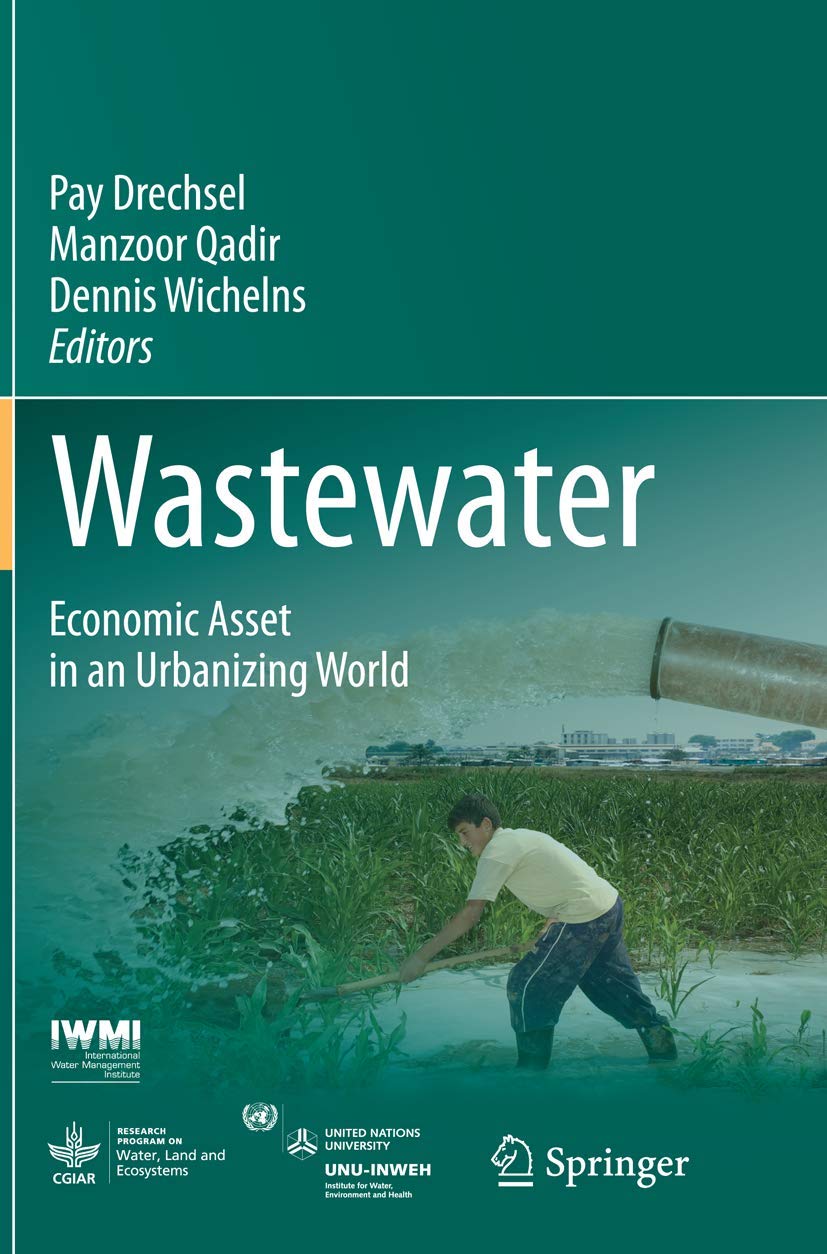
In this review of Wastewater: Economic Asset in an Urbanizing World the authors present a clear argument for rethinking wastewater as a source of value rather than merely a disposal problem. This book is aimed at readers who want a practical, economics-focused perspective on urban water management; the single biggest reason to buy is its emphasis on turning sewage and septage into recoverable resources through market-aware strategies that support cost recovery and potential profits. It reads like a call to action for policy makers, practitioners and academics who need an economic framework for reuse.
Key Features
- Paradigm shift: Argues for treating wastewater for reuse rather than only for disposal, providing a conceptual basis for changes in regulation and planning.
- Economic focus: Explores value propositions for water, nutrient and energy recovery that can support cost savings and new revenue streams.
- Cross-context applicability: Offers insights useful in both developed and developing country settings aiming to transform wastewater liabilities into assets.
- Business perspective: Emphasizes the need for business thinking to convert septage and sewage into marketable products and services.
- Policy relevance: Supplies material relevant to policy makers who must design incentives and funding approaches for sustainable wastewater management.
- Audience breadth: Targets water scholars, practitioners and decision makers seeking actionable economic arguments for reuse.
Who It's For
This book is best for environmental and civil engineers, urban planners, policy makers and water-sector managers who need an economic framework for wastewater reuse and recovery. Academics researching resource recovery and graduate students in water and environmental policy will find the framing and arguments especially useful.
Readers who expect a step-by-step technical manual for treatment plant design or a how-to field operations guide should look elsewhere; the book is strongest on economics, policy and strategy rather than granular engineering procedures.
Pros & Cons
Pros
- Provides a persuasive economic rationale for shifting toward resource recovery from wastewater.
- Applies to a wide range of contexts, useful for both developed and developing countries.
- Bridges policy, business and technical audiences by emphasizing cost recovery and marketable outcomes.
Cons
- Not a substitute for detailed engineering design guidance; readers seeking technical treatment specifications may need complementary sources.
Specifications
| Title | Wastewater: Economic Asset in an Urbanizing World |
| Authors | Pay Drechsel, Manzoor Qadir, Dennis Wichelns |
| Primary focus | Economics of wastewater reuse and resource recovery |
| Key themes | Water, nutrient and energy recovery; cost recovery; policy |
| Intended audience | Policy makers, water scholars, practitioners |
| Geographic scope | Applicable to developed and developing countries |
Our Verdict
Wastewater: Economic Asset in an Urbanizing World is a valuable, well-argued resource for those who need an economic and policy lens on wastewater reuse; it is good value for decision makers and academics seeking to reframe urbanization as an opportunity for resource recovery rather than a growing burden.
Frequently Asked Questions
Does this book cover technical treatment designs?
The book emphasizes economics and policy rather than detailed engineering design, so technical manuals are still recommended for plant design.
Is the content relevant globally?
Yes; the authors explicitly address applicability in both developed and developing country contexts.
Who will benefit most from reading it?
Policy makers, water sector managers, and researchers focused on turning wastewater into water, nutrient and energy resources will benefit most.
Editor's Take
A practical, economics-focused guide for policy makers and water professionals seeking to transform wastewater from a liability into a resource through cost recovery and resource recovery strategies.

Recently viewed
Recently viewed products will appear here as customers browse the store.