

Welfare's End - In-depth of Policy, Power, and Mothers
Welfare's End - In-depth of Policy, Power, and Mothers
Price subject to change. Tap below for current.
Couldn't load pickup availability
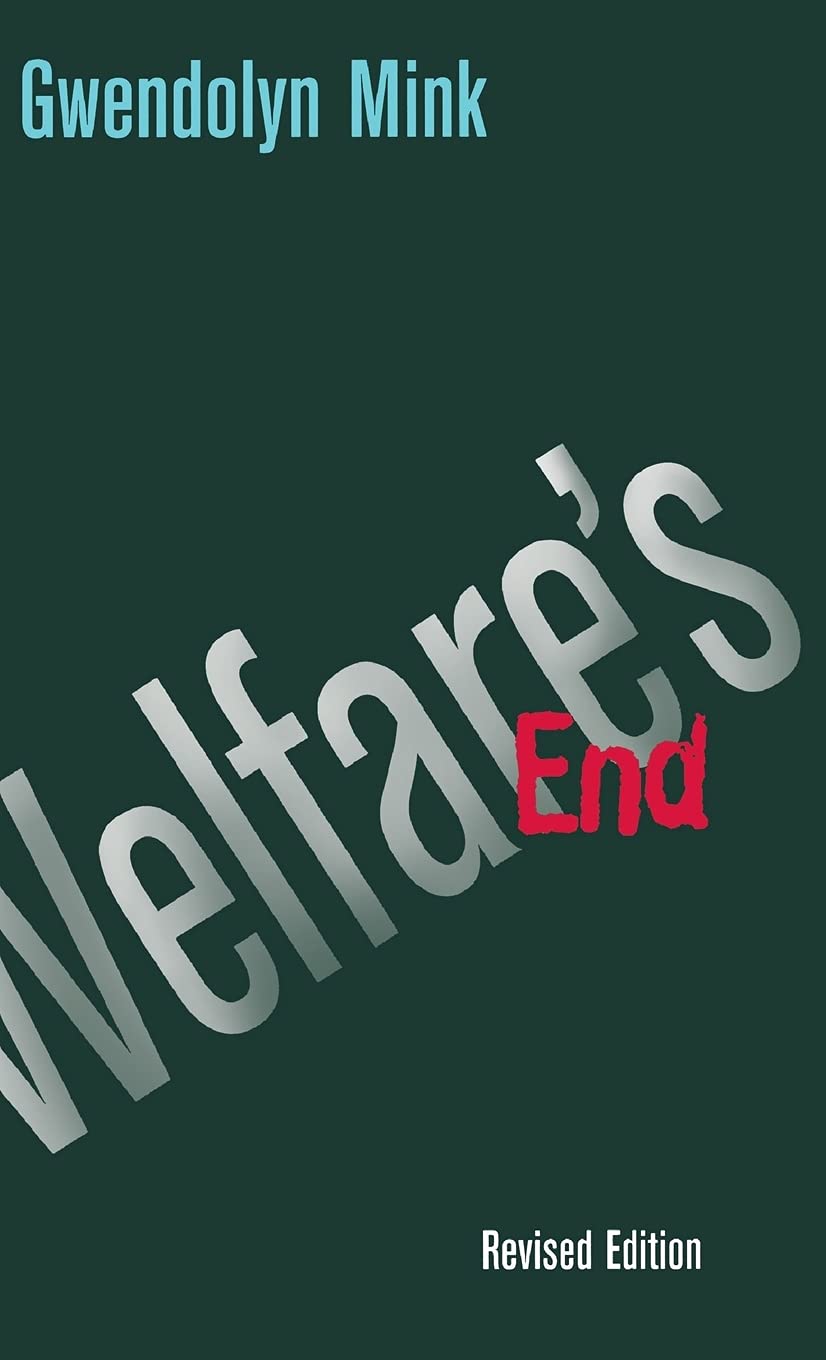
In this review of Welfare's End, Gwendolyn Mink offers a clear, uncompromising account of the thirty-year campaign to reshape and effectively end welfare in the United States. Scholars, policy students, and engaged citizens will find the book essential because it traces how changes in law and rhetoric created a separate system for poor single mothers and shows the political consensus that drove those reforms. Mink's analysis centers the experiences of mothers and exposes how policy subordinated basic rights while demanding economic adjustment, making this a critical read for anyone studying social policy.
Key Features
- Historical analysis: Mink provides a detailed narrative of the thirty-year effort to reform welfare, helping readers understand the sequence of policy decisions that reshaped assistance.
- Focus on single mothers: The book concentrates on how welfare policy targeted and regulated poor single mothers, clarifying the lived impact of legal reforms.
- Intersectional critique: Mink examines racial, class, and gender biases to explain the bipartisan consensus behind welfare changes, offering a multidimensional critique.
- Policy prescription: The author argues for reorienting welfare toward rewarding work rather than regulating mothers, giving readers a clear alternative approach to consider.
- Legal perspective: The book documents how new welfare rules created a separate system of law for the poor, useful for readers interested in law and public administration.
Who It's For
This book is best for students and researchers in public policy, social work, and political science who need a compact but forceful account of welfare reform and its consequences. Advocacy organizations and policymakers who want to understand the historical roots of current welfare debates will also benefit from Mink's focused critique.
Readers seeking a practical how-to guide for program implementation or a detached, purely statistical evaluation of welfare outcomes should look elsewhere; Mink's strength is qualitative analysis and political appraisal rather than program-level case studies.
Pros & Cons
Pros
- Clear historical framing that explains how policy change accumulated over decades.
- A strong ethical and legal critique of how welfare reforms affected poor single mothers' rights.
- Useful intersectional perspective tying race, class, and gender into the welfare debate.
Cons
- Limited practical implementation detail for those seeking policy design blueprints.
Specifications
| Title | Welfare's End |
| Author | Gwendolyn Mink |
| Scope | Thirty-year campaign to reform and end welfare |
| Focus | Poor single mothers and welfare law |
| Perspective | Political, legal, and intersectional analysis |
| Policy aim | Reorient welfare to reward work and protect rights |
Our Verdict
Welfare's End is a valuable, well-argued book for readers who want an incisive account of welfare reform and its moral and legal consequences. It is particularly strong for those interested in how race, class, and gender shaped bipartisan policy; its chief limitation is a lack of step-by-step program guidance for practitioners.
Frequently Asked Questions
Does the book cover specific welfare laws?
The book traces legal and policy changes over thirty years and explains how those decisions created a separate legal regime for poor mothers.
Is this suitable for classroom use?
Yes, the analysis and documented critique make it suitable for courses in public policy, social work, and political theory.
Does the author propose alternatives?
Mink argues for reorienting welfare to reward work and reduce regulation of mothers, presenting clear policy direction though not detailed program designs.
Editor's Take
Welfare's End is a well-argued, intersectional analysis of thirty years of welfare reform that exposes how policy subordinated poor single mothers and argues for reorienting welfare to reward work.

Recently viewed
Recently viewed products will appear here as customers browse the store.