

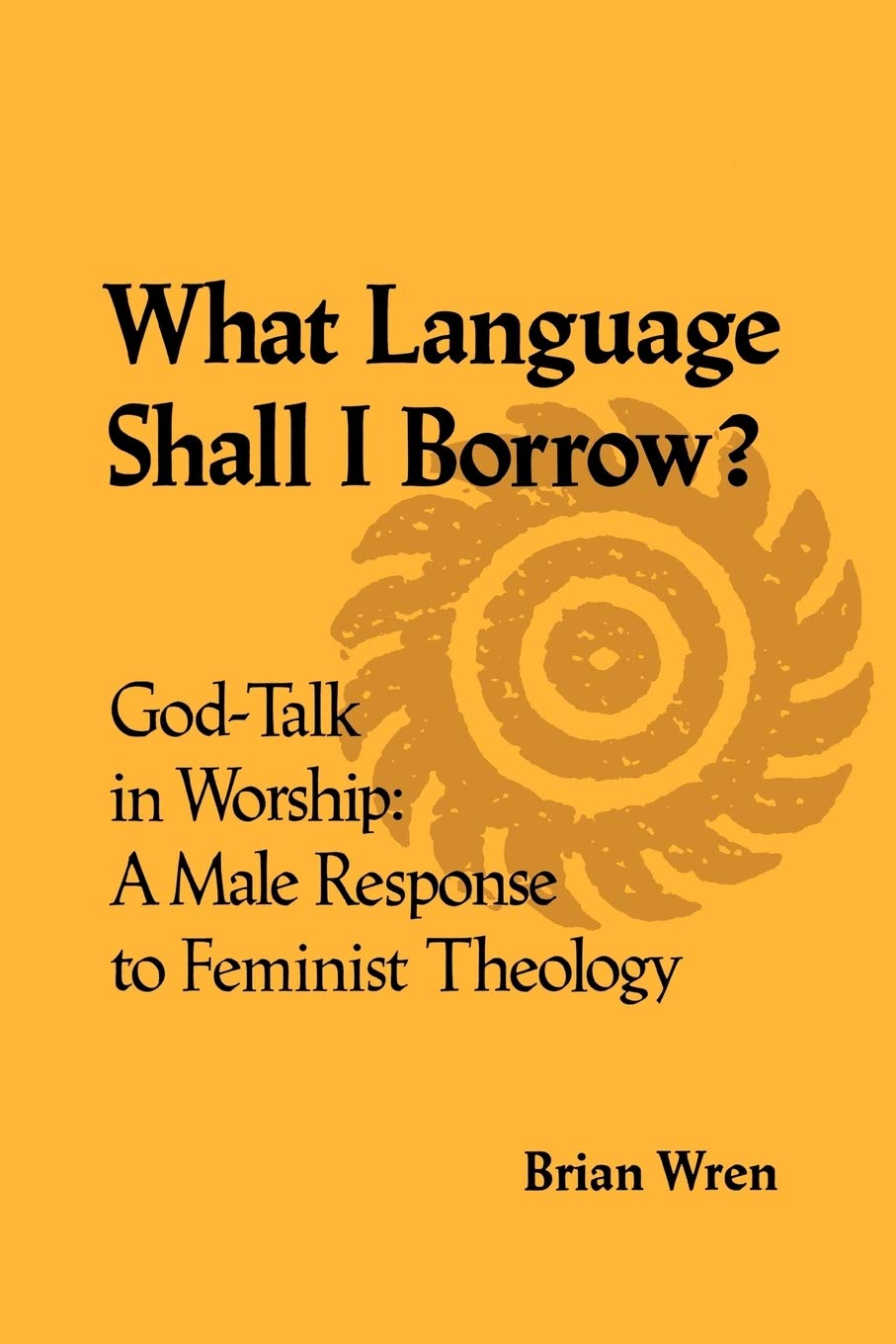
What Language Shall I Borrow? God Talk in Worship - A Male Response
What Language Shall I Borrow? God Talk in Worship - A Male Response
Price subject to change. Tap below for current.
Couldn't load pickup availability
In this review of What Language Shall I Borrow? God Talk in Worship, Brian Wren offers a thoughtful, male perspective on the sensitive choice of language in worship and why it matters. The bottom line: this short theological book is for clergy, worship planners and thoughtful lay readers who want clear, measured guidance on how worship language shapes attitudes. Wren writes with pastoral concern and scholarly awareness, making a focused case that small changes in wording can have outsized effects on congregational life and belief.
Key Features
- Pastoral focus: Wren explains how language in liturgy can influence attitudes in daily life and communal worship, helping leaders evaluate word choices with care.
- Theological engagement: The book responds directly to feminist theology from a male viewpoint, offering reasons and context rather than polemic to assist informed discussion.
- Practical application: Readers receive concrete considerations for revising prayers and hymns so worship language better reflects inclusivity and theological integrity.
- Accessible length: The concise format makes it feasible for busy clergy or study groups to read and discuss without a large time commitment.
- Reflective tone: Wren models how to handle sensitive topics respectfully, which can guide congregational conversation and decision making.
Who It's For
This book is best for pastors, liturgists, worship committees and seminarians who need a clear, reflective resource on the impact of language in worship. Its measured, male response to feminist theology is useful for groups seeking to bridge perspectives and to revise liturgies with intention.
Those seeking an exhaustive academic textbook or a comprehensive historical survey should look elsewhere; this volume is focused and conversational rather than a full scholarly treatise.
Pros & Cons
Pros
- Clear guidance on how worship words affect attitudes and practice in the congregation.
- A respectful, informed male perspective that contributes to balanced conversation on feminist theology.
- Short, readable chapters make it practical for study groups and busy leaders.
Cons
- Not an exhaustive academic resource, so readers seeking deep historical or linguistic analysis may need supplementary texts.
Specifications
| Title | What Language Shall I Borrow? God Talk in Worship |
| Subtitle | A Male Response to Feminist Theology |
| Author | Brian Wren |
| Subject | Worship language and feminist theology |
| Audience | Clergy, worship planners, lay readers |
| Category hint | Books; Religion & Spirituality; Christian Books & Bibles; Theology |
Our Verdict
Wren's book is a concise, thoughtful resource for anyone responsible for shaping worship language who wants to understand how word choice influences belief and behavior. It delivers practical reflection and a respectful male response to feminist theology, offering good value for study groups and church leaders seeking to improve liturgical language without an academic overload.
Frequently Asked Questions
Is this book suitable for church study groups?
Yes; its concise chapters and conversational tone make it well suited to group reading and discussion.
Does the author take a confrontational stance?
No; Brian Wren writes respectfully and aims to engage constructively with feminist theology rather than to polemicize.
Will this replace academic texts on theology?
Not entirely; it is a focused, practical response and works best alongside more comprehensive theological or historical studies.
Editor's Take
A concise, thoughtful guide for clergy and worship planners, Brian Wren's book shows how careful worship language shapes attitudes; it's practical, respectful, and well suited for study groups.

Recently viewed
Recently viewed products will appear here as customers browse the store.