Whistleblowing, Communication and Consequences: A Deep Dive
Whistleblowing, Communication and Consequences: A Deep Dive
Price subject to change. Tap below for current.
Couldn't load pickup availability
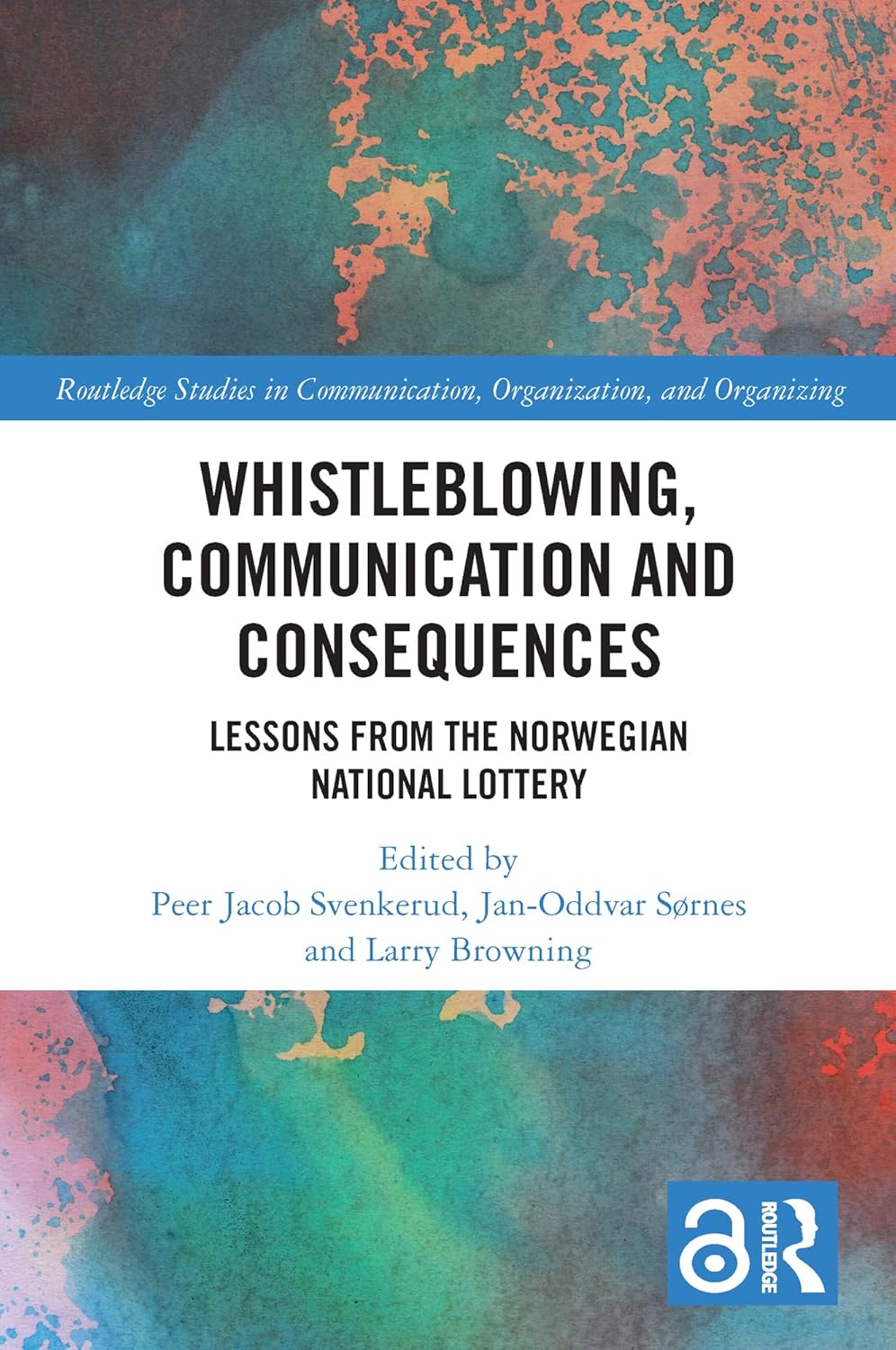
The book Whistleblowing, Communication and Consequences offers an in-depth exploration of the complex dynamics surrounding whistleblowing in various organizational contexts. Authored by Jan-Oddvar Srnes, Peer Jacob Svenkerud, and Larry Browning, this work is part of the Routledge Studies in Communication, Organization, and Organizing series.
In today's world, the act of whistleblowing is often seen as a courageous stand against wrongdoing. This book delves into the communication strategies employed by whistleblowers, examining how these individuals navigate the intricate web of organizational politics and ethics. The authors provide a comprehensive analysis of the motivations behind whistleblowing and the potential consequences that follow.
One of the key features of this book is its focus on the organizational culture that influences whistleblowing behavior. Through various case studies, the authors illustrate how different environments can either encourage or discourage individuals from coming forward with critical information. This aspect is crucial for understanding the broader implications of whistleblowing in both public and private sectors.
The authors also highlight the role of communication channels in facilitating or hindering whistleblowing. By analyzing the effectiveness of various reporting mechanisms, the book sheds light on how organizations can improve their processes to support whistleblowers. This is particularly relevant for organizations aiming to foster a culture of transparency and accountability.
Furthermore, the book addresses the legal ramifications associated with whistleblowing. It discusses the protections available to whistleblowers and the potential legal challenges they may face. This information is vital for both individuals considering whistleblowing and organizations looking to implement fair practices.
In addition to theoretical insights, Whistleblowing, Communication and Consequences provides practical recommendations for organizations. The authors suggest strategies for creating a supportive environment that encourages ethical behavior and open communication. This guidance is essential for leaders and managers who wish to cultivate a culture where employees feel safe to report misconduct.
Overall, this book serves as a valuable resource for scholars, practitioners, and anyone interested in the intersection of communication and ethics. Its thorough examination of the factors influencing whistleblowing makes it a must-read for those looking to understand the complexities of this critical issue in today's organizational landscape.
Share