

Women, Literature, and the Domesticated Landscape - Scholarly
Women, Literature, and the Domesticated Landscape - Scholarly
Price subject to change. Tap below for current.
Couldn't load pickup availability
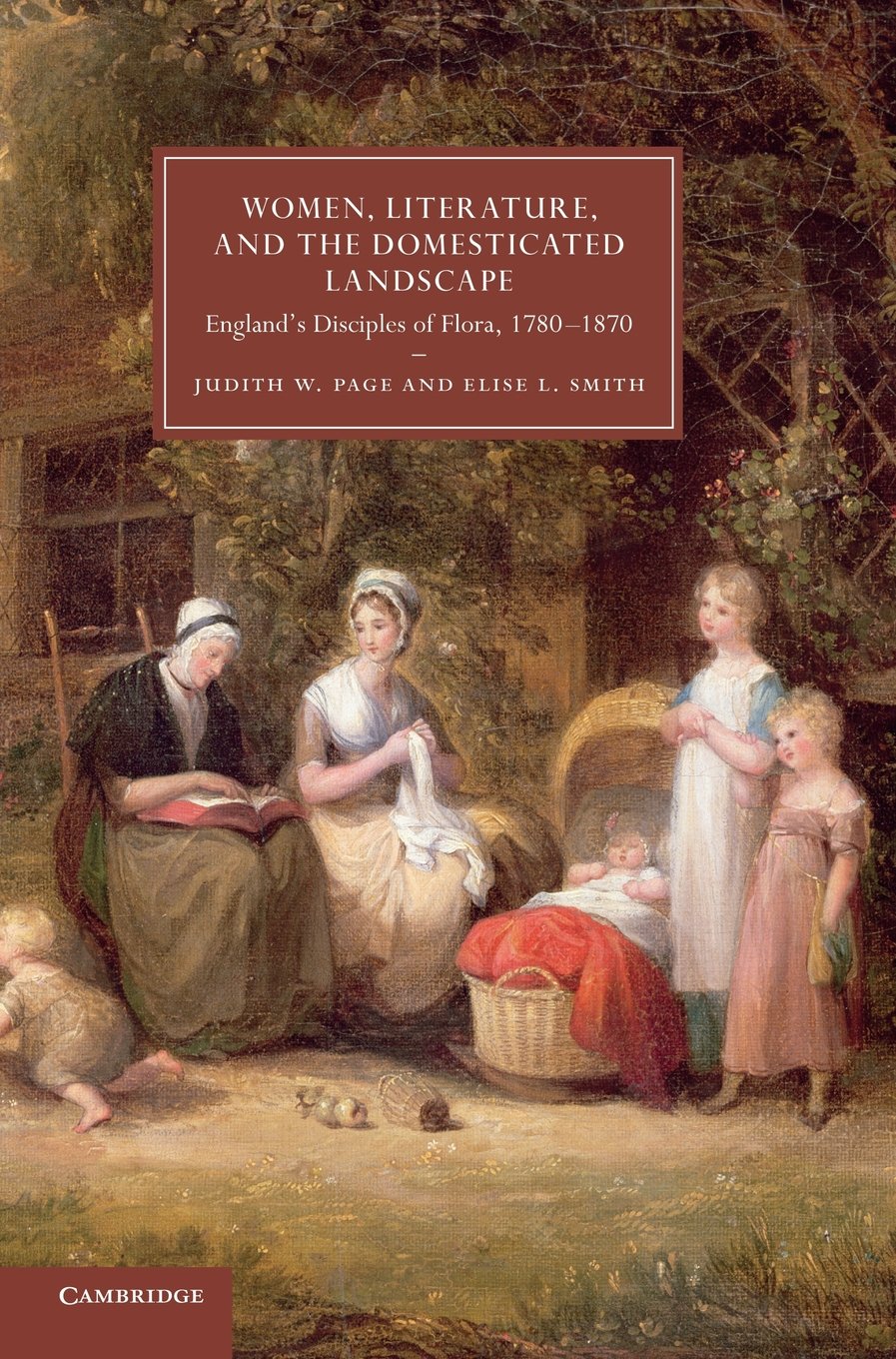
In this review of Women, Literature, and the Domesticated Landscape, the bottom line is clear: this is a focused scholarly study for readers interested in gender, literature, and visual culture in late Georgian and Victorian England. Combining literary analysis with art history, the book argues that gardens and botanical pursuits gave women a distinctive platform to negotiate private and public life; that central claim makes the volume valuable for researchers who want a nuanced cultural context rather than a general survey.
Key Features
- Interdisciplinary approach: The book marries close readings of texts with attention to paintings and botanical practice, giving a fuller sense of how gardens functioned as cultural spaces.
- Historical range: Covering roughly 1780 to 1870, the study traces how changing political and social conditions affected women's horticultural engagement across decades.
- Gendered perspective: It foregrounds how women used gardens to claim intellectual authority and to participate in political and cultural debates.
- Focus on symbolism: The analysis treats gardens not only as physical places of labor and pleasure but as conceptual landscapes of meaning and agency.
- Evidence-driven argument: Close attention to literary and artistic examples supports the central thesis that domestic landscapes mediate private and public life for women.
Who It's For
This book is best suited to graduate students, scholars, and advanced undergraduates in nineteenth-century literature, gender studies, art history, and cultural history who need a tightly argued, source-based account of how gardens appear in women's writing and visual culture. It is especially useful for those researching the intersections of domestic labor, horticulture, and female intellectual life.
Readers seeking a general introduction to British gardening or a popular history of landscape design should look elsewhere; this volume assumes some familiarity with literary-critical methods and primary texts and aims for analytical depth rather than broad, illustrated overviews.
Pros & Cons
Pros
- Clear interdisciplinary framing that connects literature and visual art to social change.
- Strong historical scope that charts shifts from the late eighteenth century through mid-Victorian Britain.
- Persuasive close readings that make a sustained case for gardens as sites of female authority.
Cons
- The book's specialist tone and dense argumentation may be challenging for casual readers or those new to literary studies.
Specifications
| Title | Women, Literature, and the Domesticated Landscape |
| Authors | Judith W. Page, Elise L. Smith |
| Series | Cambridge Studies in Nineteenth-Century Literature (Number 76) |
| Period Covered | c. 1780-1870 |
| Primary Focus | Literature, art, horticulture, and gender in Britain |
| Audience | Scholars, graduate students, advanced undergraduates |
Our Verdict
Women, Literature, and the Domesticated Landscape is a rewarding, argument-driven study that will repay close reading by scholars interested in gendered cultural spaces. Its tight focus on gardens as conceptual and practical sites of female negotiation makes it a strong value for academic readers seeking evidence-based connections between literature, art, and social history.
Frequently Asked Questions
Does this book cover visual art as well as literature?
Yes. The authors explicitly combine literary analysis with attention to paintings and botanical representation to support their arguments.
What historical period does the study examine?
The book concentrates on the period circa 1780 to 1870, tracing changes across late Georgian and Victorian contexts.
Is this suitable for general readers?
It is primarily aimed at an academic readership and may be dense for casual readers without a background in literary studies.
Editor's Take
A tightly argued scholarly study showing how gardens functioned as conceptual and practical sites of female authority in Britain c.1780-1870; best for academics and advanced students.

Recently viewed
Recently viewed products will appear here as customers browse the store.