

Working Postures and Movements - Practical Ergonomics
Working Postures and Movements - Practical Ergonomics
Price subject to change. Tap below for current.
Couldn't load pickup availability
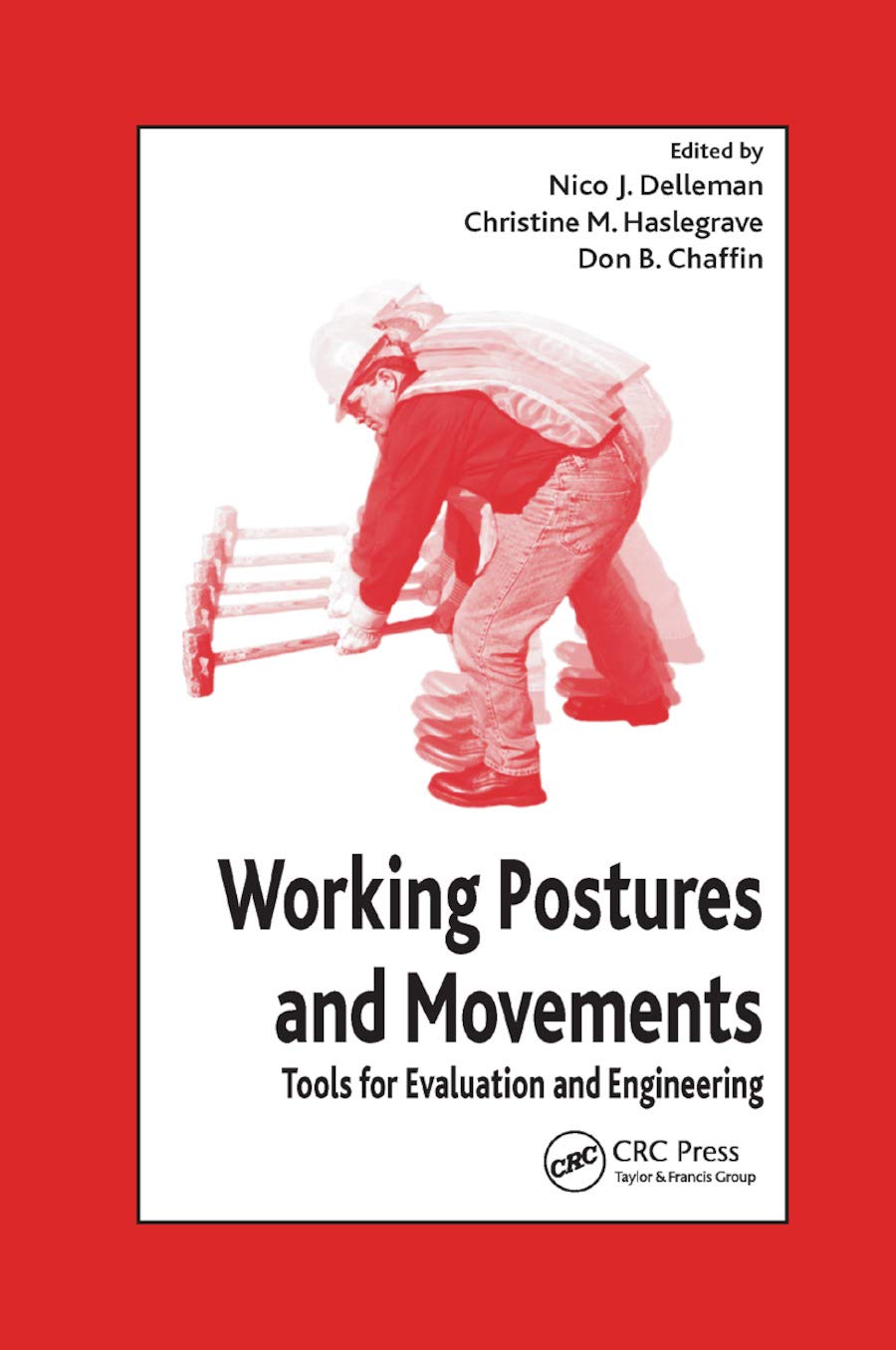
In this review of Working Postures and Movements the authors present a targeted, practical examination of how static postures and repetitive tasks lead to musculoskeletal injury and what workplaces can do about it. The book is aimed at ergonomics professionals and workplace designers, and its single biggest reason to buy is the clear focus on real-world problems such as seating, hand tool and pedal design, and task organization that directly affect employee absence and injury risk. For anyone responsible for improving industrial or office workstations, this is a grounded, engineering-minded resource.
Key Features
- Focus on common causes: Explains how static postures and repetitive movements across many industries contribute to musculoskeletal injuries so readers can target the root causes.
- Seating and interface guidance: Covers seating concepts and foot-floor interfaces to help improve comfort and reduce strain for workers who sit or stand for long periods.
- Tool and control design: Discusses hand tool and pedal design to guide choices that lower forceful grip and awkward wrist positions in manual tasks.
- Digital human models: Introduces digital human models for computer-aided design and engineering to evaluate designs before real-world deployment.
- Work organization insight: Addresses task duration, breaks, and handling frequency so managers can structure work to limit exposure to harmful postures and repetition.
Who It's For
Working Postures and Movements is best for ergonomists, industrial engineers, safety professionals, and facility managers who need a concise, applied reference on reducing workplace musculoskeletal risk. It is also useful to product designers and ergonomics students who want practical guidance on seating, tools, and digital modeling techniques.
Those looking for a consumer-oriented how-to or a book focused on one narrow industry may want a different, more specialized title; likewise, readers seeking step-by-step exercise programs for individual rehabilitation should consult clinical or physiotherapy resources instead.
Pros & Cons
Pros
- Practical emphasis on workplace causes of injury helps professionals prioritize interventions.
- Coverage of seating, tools, and foot interfaces provides concrete areas to evaluate and improve.
- Inclusion of digital human models supports modern design workflows and pre-deployment testing.
Cons
- Not a clinical rehabilitation guide, so it lacks patient treatment detail for clinicians.
Specifications
| Title | Working Postures and Movements |
| Authors | Nico J. Delleman, Christine M. Haslegrave, Don B. Chaffin |
| Primary focus | Workplace musculoskeletal risk, postures, and repetitive movement |
| Topics included | Seating, hand tool and pedal design, foot-floor interfaces, digital human models, work organization |
| Intended audience | Ergonomics professionals, engineers, safety managers |
Our Verdict
Working Postures and Movements is a pragmatic, engineering-focused resource that helps professionals identify and reduce musculoskeletal risks in diverse workplaces. It is good value for anyone who assesses or designs workstations, tools, or workflows because it links observable workplace factors to practical design and organizational approaches that lower injury potential.
Frequently Asked Questions
Does this book cover tool and pedal design?
Yes; it specifically discusses hand tool and pedal designs and how they influence posture and strain.
Is this useful for office ergonomics?
Yes; seating concepts and solutions for repetitive device use are applicable to many office and data entry tasks.
Will it help with scheduling breaks and tasks?
Yes; the book addresses work organization elements like task duration, breaks, and handling frequency to reduce exposure to harmful postures.
Editor's Take
Working Postures and Movements is a pragmatic, engineering-focused resource that helps professionals identify and reduce musculoskeletal risks in diverse workplaces and is good value for ergonomics practitioners.

Recently viewed
Recently viewed products will appear here as customers browse the store.