

World Literature Non-Synchronism and the Politics of Time
World Literature Non-Synchronism and the Politics of Time
Price subject to change. Tap below for current.
Couldn't load pickup availability
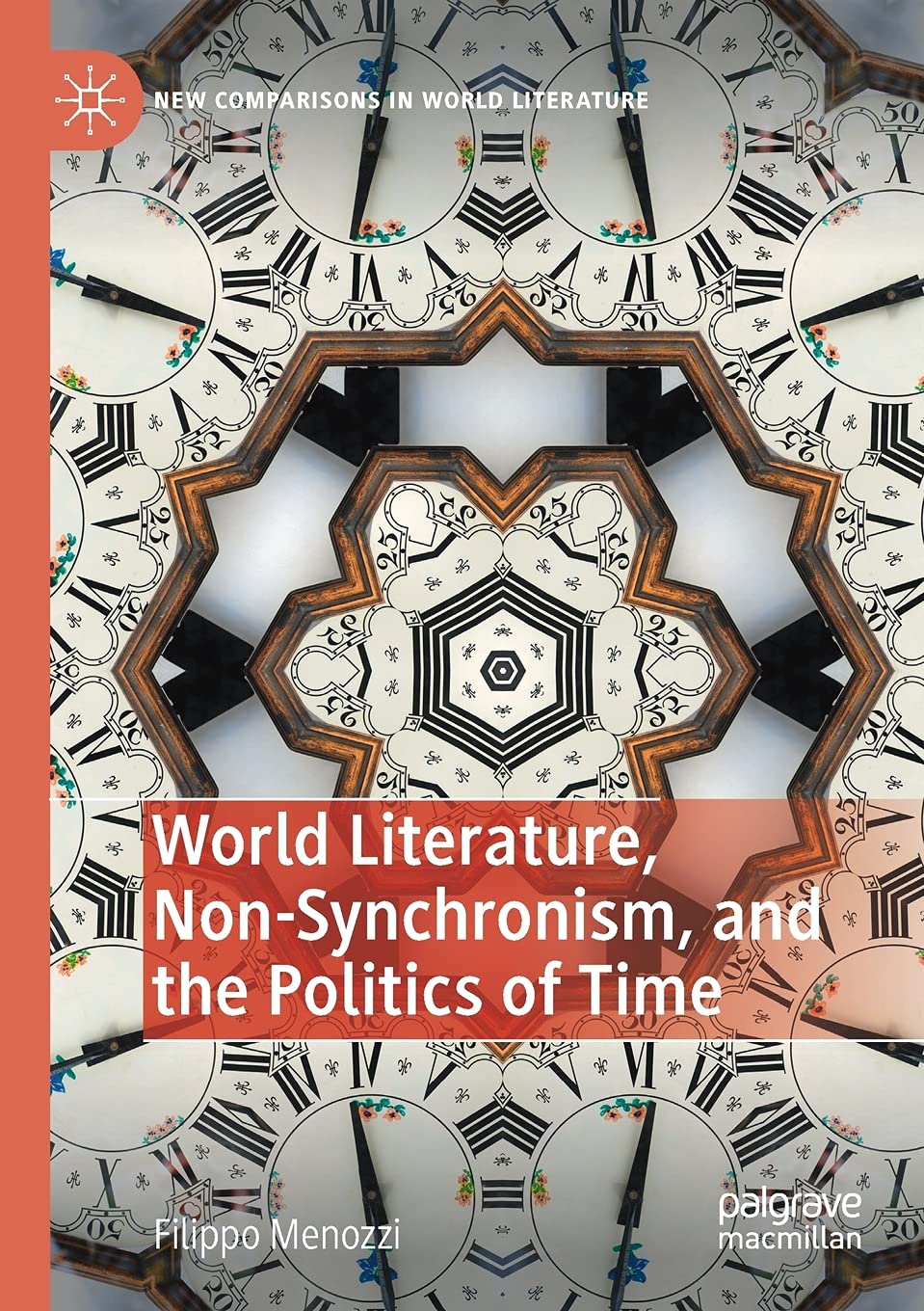
In this review of World Literature, Non-Synchronism, and the Politics of Time the reviewer finds a rigorous, concept-driven study best suited to scholars and advanced readers interested in temporal theory and postcolonial anglophone fiction. Filippo Menozzi examines how contemporary novels from Africa and South Asia manipulate time, using the Marxist-inflected concept of non-synchronism to expose nostalgic returns, apocalyptic anticipations, and other dislocations that shape world literature under capitalist modernity. The book is strongest as a critical framework for reading temporality rather than as a primer for casual readers.
Key Features
- Marxist framework: The book uses a Marxist concept of world literature to situate temporal dislocations within capitalist globalisation and to argue for a dialectical reading of time.
- Focus on anglophone fiction: Close readings concentrate on contemporary fiction from Africa and South Asia, offering concrete literary examples for the theoretical claims.
- Concept of non-synchronism: Menozzi develops non-synchronism as a tool to capture how different temporalities coexist and conflict in the present era of modernity.
- Political emphasis: The study links literary temporality to politics by exploring nostalgia, Golden Age appeals, and anticipatory anxieties about global catastrophe.
- Theoretical and critical balance: The book combines critical theory with literary reading, making it useful for researchers who value both conceptual clarity and textual analysis.
Who It's For
This book is aimed at scholars, graduate students, and advanced readers in world literature, postcolonial studies, and literary theory who want a focused account of temporality in anglophone African and South Asian fiction. It will be especially valuable to researchers looking for a Marxist-informed critical lens to read temporal disjunctions in contemporary novels.
Those seeking an introductory survey or a light general-interest history of world literature should look elsewhere, as the argument assumes some familiarity with Marxist terminology and critical theory rather than offering a basic primer.
Pros & Cons
Pros
- Provides a coherent dialectical paradigm for understanding temporal conflicts across global literature.
- Grounds theory in specific readings of anglophone fiction from Africa and South Asia, making abstract ideas tangible.
- Connects literary time to broader political and economic processes, enhancing the book's critical relevance.
Cons
- The text presumes prior theoretical knowledge, which can limit accessibility for general readers.
Specifications
| Title | World Literature, Non-Synchronism, and the Politics of Time |
| Author | Filippo Menozzi |
| Subject | World literature; temporality; postcolonial fiction |
| Regional focus | Anglophone Africa and South Asia |
| Approach | Marxist concept of world literature; dialectical analysis |
| Main concept | Non-synchronism (dislocations of the present) |
Our Verdict
Filippo Menozzis book is a thought-provoking, well-argued contribution to temporal studies in world literature that rewards serious readers and scholars. Its theoretical density and focused regional readings make it a strong choice for graduate courses and research libraries; it offers good value for those who need a rigorous framework to analyze how capitalist modernity shapes literary time.
Frequently Asked Questions
Does this book cover multiple regions?
Yes, the study concentrates on anglophone fiction from Africa and South Asia to illustrate the politics of time.
Is prior theory knowledge required?
The book assumes familiarity with Marxist and literary-theoretical concepts, so it is best suited to advanced students and researchers.
Is the focus more theoretical or close-reading based?
It balances both: Menozzi develops a theoretical concept while grounding it in close readings of contemporary novels.
Editor's Take
Filippo Menozzis study offers a rigorous Marxist-inflected framework for reading temporal dislocations in anglophone African and South Asian fiction; ideal for scholars and advanced students seeking a focused, theory-driven analysis.

Recently viewed
Recently viewed products will appear here as customers browse the store.