

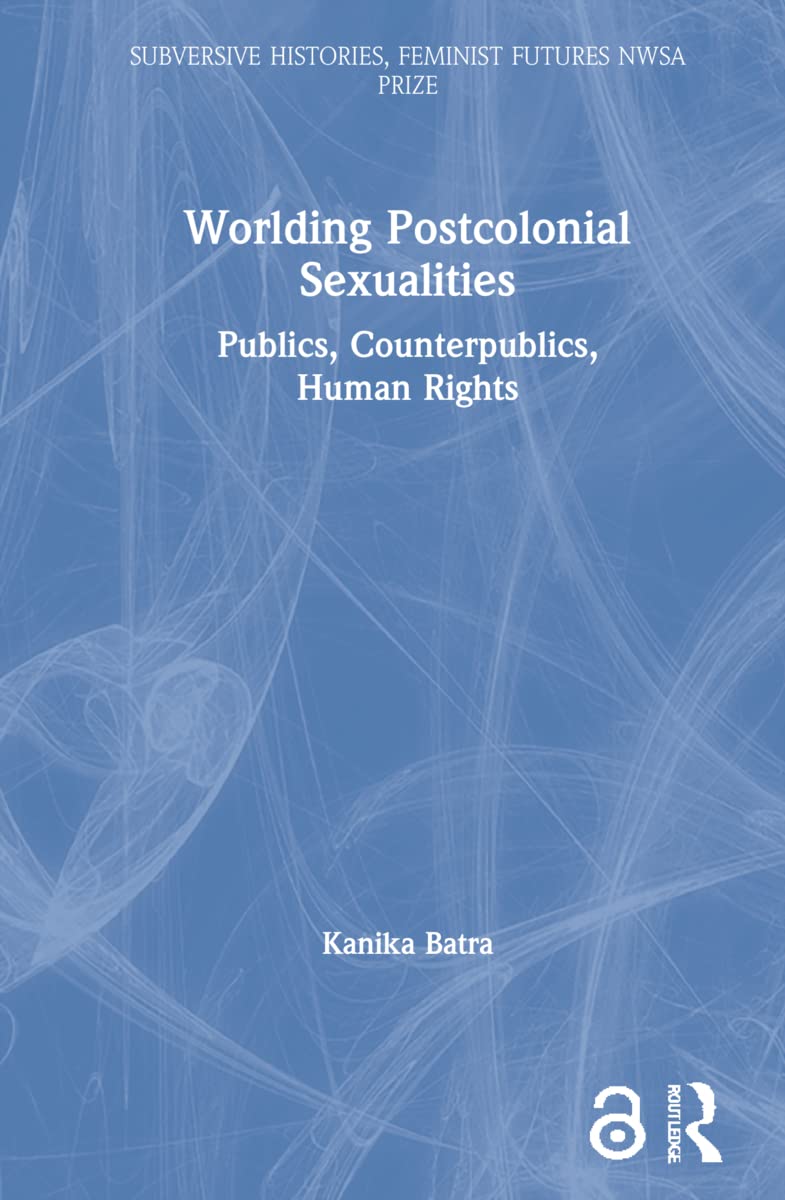
Worlding Postcolonial Sexualities - In-Depth Kanika
Worlding Postcolonial Sexualities - In-Depth Kanika
Price subject to change. Tap below for current.
Couldn't load pickup availability
Our review of Worlding Postcolonial Sexualities finds it essential for readers interested in the intersections of postcolonial theory, feminist and queer archives, and sexual rights history. Kanika Batra's book argues that printed magazines and newsletters from the late 1970s through the 1990s made space for a transnational conversation about sexual activism, and this review recommends the book chiefly because it surfaces underexamined South-South exchanges and archival materials that reshape how scholars think about sexual precarity and resistance.
Key Features
- Comparative focus: Detailed comparative analysis across India, Jamaica, and South Africa highlights convergences and divergences in postcolonial sexual politics.
- Archival materials: Uses English-language and intermittently bilingual magazines and newsletters to foreground voices often absent from mainstream academic narratives.
- Historical scope: Traces developments from the late 1970s to the late 1990s to show how print cultures shaped public discourse on sexual activism over two decades.
- Theoretical framing: Integrates postcolonial feminist and queer studies to propose alternative histories of vulnerability, precarity, and resistance.
- South-South emphasis: Extends scholarship beyond North-South models by documenting cross-regional exchanges in theory and praxis of sexual rights.
Who It's For
This book is aimed at graduate students, scholars, and activists working in gender studies, queer theory, and postcolonial studies who want a historically grounded, archival account of sexual activism outside dominant Western narratives. It will serve researchers looking for comparative case studies that connect movements and print cultures across the Global South.
Readers seeking a beginner's introduction to queer theory or a general survey of contemporary LGBTQ issues may find the focus too archival and academic; those audiences should look for more introductory or broadly framed overviews instead of this research-driven volume.
Pros & Cons
Pros
- Illuminates neglected primary sources, making the book a useful resource for archival research.
- Comparative treatment of India, Jamaica, and South Africa provides fresh perspectives on transnational sexual rights debates.
- Strong theoretical integration offers readers a nuanced approach to postcolonial and queer methodologies.
Cons
- The book's archival and academic density may be dense for casual readers or those new to the subject.
Specifications
| Title | Worlding Postcolonial Sexualities (Subversive Histories, Feminist Futures) |
| Author | Kanika Batra |
| Comparative regions | India, Jamaica, South Africa |
| Primary sources | English-language and intermittently bilingual magazines and newsletters |
| Time period analyzed | Late 1970s to late 1990s |
| Academic focus | Postcolonial feminist and queer studies |
Our Verdict
Worlding Postcolonial Sexualities is a rigorous, archival study that will reward scholars and activists seeking to deepen their understanding of transnational sexual rights struggles. Its careful comparative and historical approach makes it good value for research libraries and graduate seminars that need scholarship centering South-South interactions and archival recovery.
Frequently Asked Questions
Does this book use archival sources?
Yes. The author analyzes magazines and newsletters published between the late 1970s and the late 1990s to reconstruct public discourses on sexual activism.
Which countries are compared?
The comparative focus is on India, Jamaica, and South Africa to explore cross-regional dialogues in sexual rights theory and praxis.
Is this a good introduction for general readers?
Not primarily; the book is research-oriented and best suited to readers with some background in gender, queer, or postcolonial studies.
Editor's Take
Worlding Postcolonial Sexualities is a rigorous archival study that rewards scholars and activists seeking historical, comparative insight into sexual rights across India, Jamaica, and South Africa, making it valuable for research libraries and graduate seminars.

Recently viewed
Recently viewed products will appear here as customers browse the store.