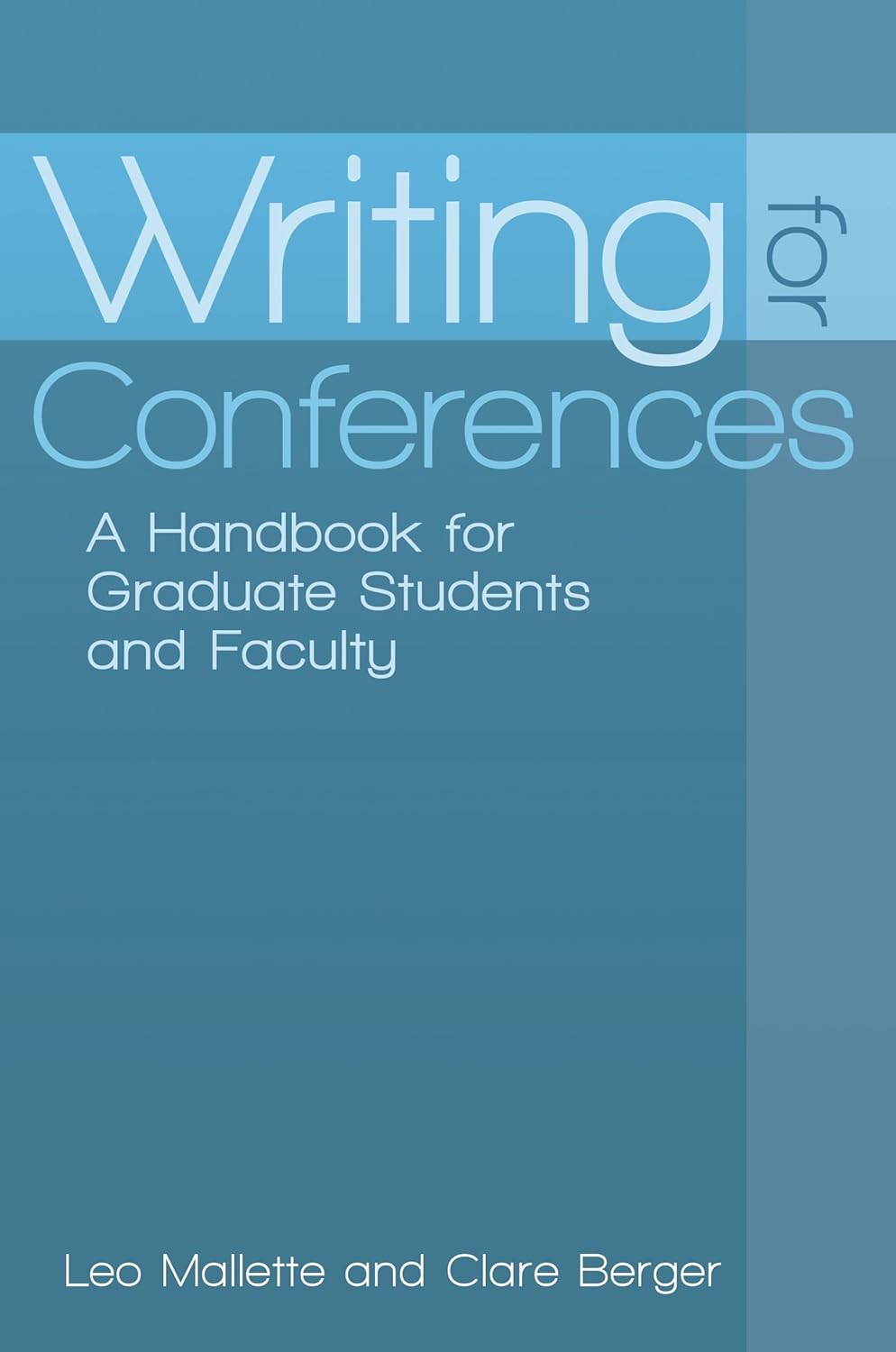
Writing for Conferences Handbook for Graduate Students and Faculty
Writing for Conferences Handbook for Graduate Students and Faculty
Price subject to change. Tap below for current.
Couldn't load pickup availability
In the world of academia, writing for conferences is a crucial skill that can significantly impact your career. The book titled Writing for Conferences serves as an essential guide for both graduate students and faculty members. Authored by Leo A. Mallette and Clare Berger, this handbook provides invaluable insights into the intricacies of conference writing.
This comprehensive resource covers various aspects of academic writing, including how to structure your papers, the importance of clarity, and the nuances of presenting your research effectively. With practical tips and strategies, it empowers readers to enhance their writing skills and make a lasting impression at conferences.
One of the standout features of this handbook is its focus on the conference submission process. It walks you through the steps necessary to prepare your work for submission, ensuring that you meet all the requirements set by different conferences. This guidance is particularly beneficial for those who are new to the academic scene.
The authors also delve into the significance of networking at conferences. They emphasize how building connections with peers and established scholars can open doors for future collaborations and opportunities. This aspect of the book is particularly relevant in today's interconnected academic environment.
Another key element discussed is the art of effective presentation. The handbook provides tips on how to deliver your research findings confidently and engagingly. This section is invaluable for those who may feel anxious about public speaking or presenting their work in front of an audience.
Moreover, the book includes examples of successful conference papers and presentations, allowing readers to learn from real-life scenarios. These examples serve as a practical reference, helping you to understand what works and what doesn't in the realm of conference writing.
In addition to writing and presentation skills, the authors address the importance of feedback and revision. They encourage readers to seek constructive criticism from peers and mentors, highlighting that revision is a critical part of the writing process. This approach fosters a growth mindset, essential for anyone looking to excel in academia.
Overall, Writing for Conferences is a must-have resource for anyone involved in academic writing. Its clear, concise, and practical advice makes it accessible for both novice and experienced writers. Whether you are preparing your first conference paper or looking to refine your presentation skills, this handbook is an indispensable tool that will guide you through the complexities of academic conference participation.
Share