

Writing History: Theory and Practice - Clear Guide for Students
Writing History: Theory and Practice - Clear Guide for Students
Price subject to change. Tap below for current.
Couldn't load pickup availability
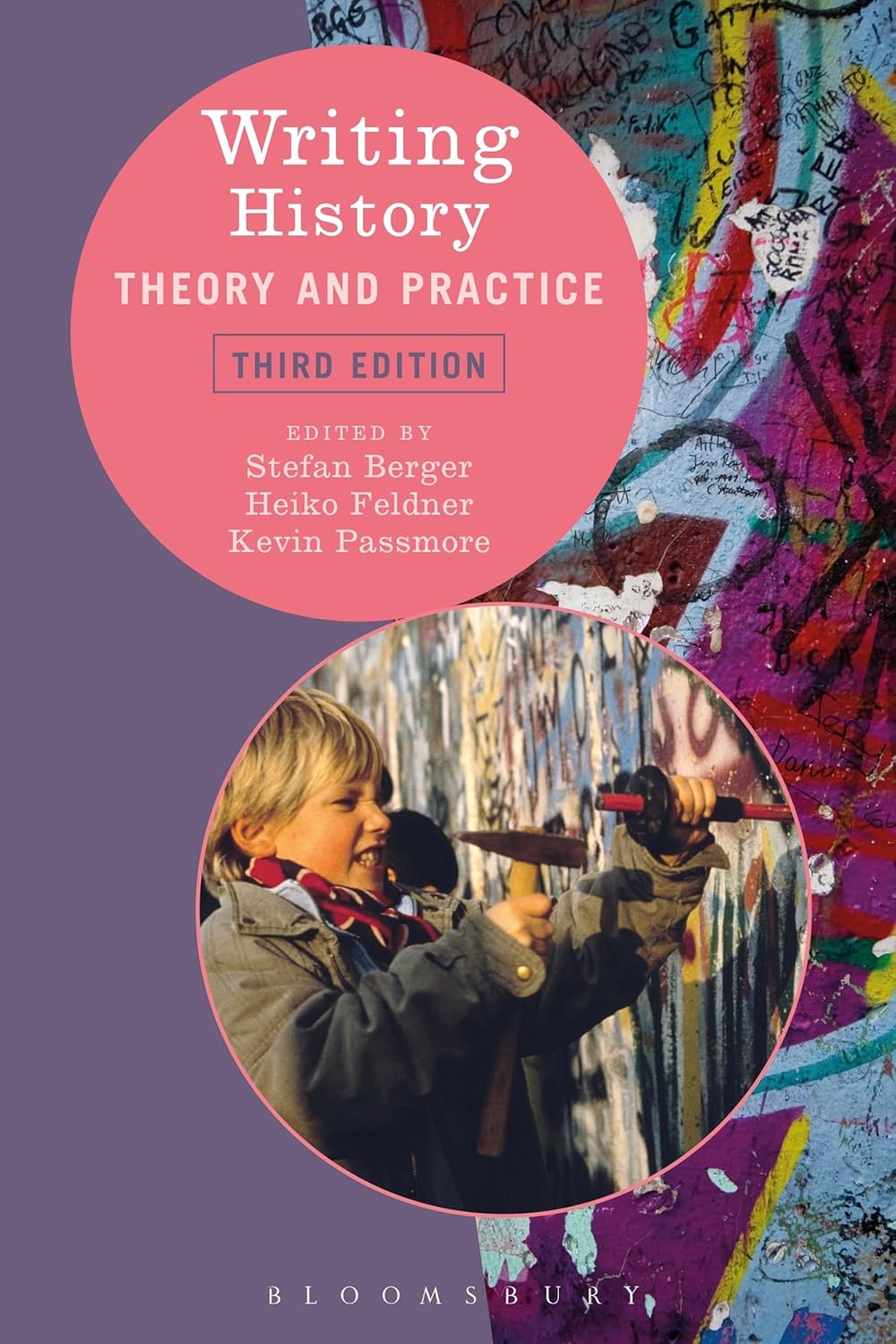
In this review of Writing History: Theory and Practice the bottom line is simple: this third edition is best for undergraduate and postgraduate students and teachers who need a clear, practical guide to how historical writing is shaped by theory. Gavin Murray-Miller balances accessible explanation with practical writing advice, and the book's rewritten chapters plus new material on postcolonial, environmental and transnational history make it a timely text for courses that want conceptual clarity without getting lost in abstract debate.
Key Features
- Concise conceptual explanations: The book presents key historiographical concepts in clear language so students can apply them directly to writing and analysis.
- New chapters: Added chapters on postcolonial, environmental and transnational history update the book's scope and reflect current research interests.
- Rewritten original chapters: The fully revised chapters improve clarity and bring earlier material into line with contemporary scholarly debates.
- Practical focus: Rather than dwelling only on abstract theory, the text links concepts to practical historical writing and methods.
- Contextual chapter introductions: Each chapter includes an introduction that situates topics within the broader intellectual and disciplinary history.
Who It's For
Writing History is ideal for students taking core historiography or methods modules and for tutors seeking a compact course text that connects theory to practice. The emphasis on clear explanations and writing guidance makes it especially useful for those preparing essays, dissertations or teaching sessions that must blend conceptual understanding with practical skills.
Scholars seeking a dense theoretical monograph or exhaustive historiographical survey may prefer more specialized volumes; this book is aimed at pedagogical clarity rather than exhaustive primary-source argumentation.
Pros & Cons
Pros
- Clear, student-friendly explanations that help translate theory into writing practice.
- Updated content with new chapters that reflect contemporary topics in the discipline.
- Rewritten chapters that improve coherence across the book for classroom use.
Cons
- Not intended as an exhaustive theoretical treatise, so readers wanting deep specialist analysis may need supplementary texts.
Specifications
| Title | Writing History: Theory and Practice |
| Edition | Third edition |
| Author | Gavin Murray-Miller |
| Focus | Historiography and practical historical writing |
| New content | Postcolonial, environmental and transnational history chapters |
| Audience | Students and teachers of history |
Our Verdict
Writing History offers excellent pedagogical value: it bridges the gap between theory and practical writing in a way that serves classroom needs. Students and instructors who want concise, updated introductions to key historiographical concepts will find it a sensible, cost-effective choice for coursework and essay preparation.
Frequently Asked Questions
Does this edition include new topics?
Yes; the third edition adds chapters on postcolonial, environmental and transnational history to reflect current approaches.
Is the book suitable for graduate students?
Yes; it is useful for both undergraduate and postgraduate students, particularly those who need practical guidance on historical writing.
Will this replace specialized theory texts?
No; it is designed as a clear, practical guide rather than a comprehensive theoretical monograph, so specialists may need additional readings.
Editor's Take
Writing History is a pedagogically strong, updated guide that links historiographical concepts to practical historical writing, making it ideal for students and teachers seeking clarity and classroom-ready guidance.

Recently viewed
Recently viewed products will appear here as customers browse the store.