

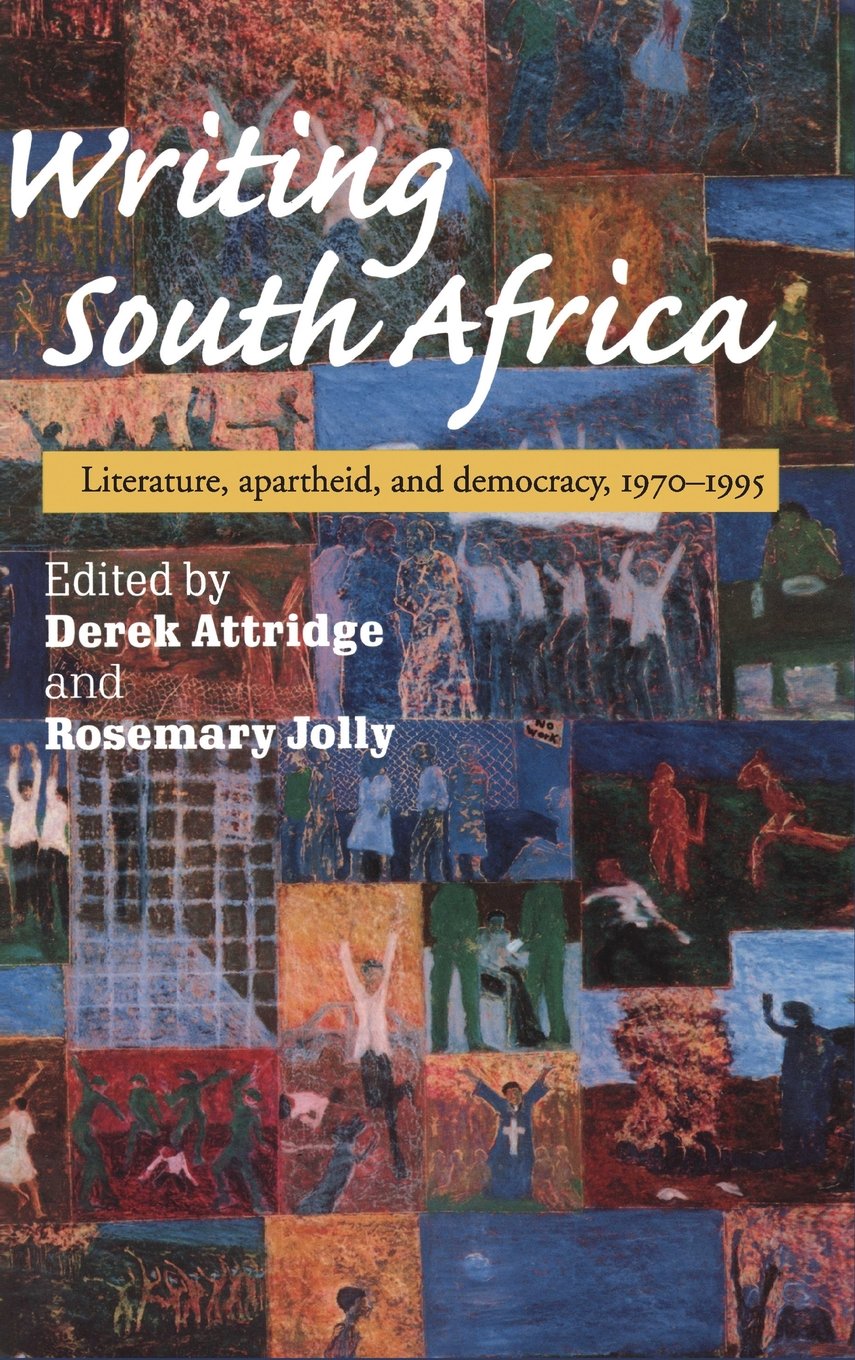
Writing South Africa: Literature, Apartheid, and Democracy
Writing South Africa: Literature, Apartheid, and Democracy
Price subject to change. Tap below for current.
Couldn't load pickup availability
In this review of Writing South Africa: Literature, Apartheid, and Democracy 1970-1995 the reviewer finds a thoughtful, historically grounded collection that will appeal to readers interested in the relationship between literature and political change. The book offers a clear window on the last years of apartheid and the transition to democracy by assembling essays from prominent South African writers and international commentators; its single biggest reason to buy is the way it contextualizes literary production within decolonization and democratization debates, making it useful for students, researchers, and engaged general readers.
Key Features
- Historical focus: The book concentrates on the period 1970-1995, giving readers a sustained view of how literature responded to apartheid and the move to democracy.
- Collection of voices: Essays bring together South African writers and leading commentators from Britain and North America, allowing contrasting perspectives to illuminate the same moment.
- Cultural context: Contributors examine the impact of decolonization and democratization on literary life, helping readers connect texts to social and political change.
- First-time compilation: This volume gathers discussions previously scattered across journals and essays, making a wide range of commentary accessible in one place.
- Critical orientation: The book emphasizes literary criticism and historical interpretation over purely biographical or archival approaches, useful for courses in literature and cultural studies.
Who It's For
This collection is best for university students, researchers, and readers of literary criticism who want a concentrated study of South African writing during the final apartheid years and the early democratic transition. In classrooms it works as a companion text for courses on African literature, postcolonial studies, and modern South African history.
Casual readers seeking a narrative history or a novelistic account of the period may find the tone more scholarly than popular; those looking exclusively for primary fiction rather than critical essays should look elsewhere.
Pros & Cons
Pros
- Consolidates important discussions by both South African writers and international commentators, offering breadth and contrast.
- Provides clear linkage between literary texts and the political processes of decolonization and democratization.
- Useful as a teaching text because it brings varied critical voices into a single, focused volume.
Cons
- The book is essay-driven and critical in tone, so readers seeking narrative storytelling or primary fiction may find it less immediately engaging.
Specifications
| Title | Writing South Africa: Literature, Apartheid, and Democracy 1970-1995 |
| Editor/Author | Derek Attridge |
| Scope | Literary writing in South Africa during late apartheid and transition to democracy |
| Content type | Collection of essays and commentary |
| Geographical focus | South Africa with commentary from Britain and North America |
| Subjects | Literature, decolonization, democratization, cultural criticism |
Our Verdict
Writing South Africa is a valuable critical collection for readers who want to understand how literature intersected with political change in a pivotal historical moment. It is especially good value for students and scholars because it gathers influential voices and situates texts within broader debates about decolonization and democracy.
Frequently Asked Questions
Does this book include fiction by South African authors?
The volume primarily contains critical essays and commentary rather than collections of primary fiction.
Is this suitable for undergraduate courses?
Yes, it works well as a companion text in courses on African literature, postcolonial studies, and South African history.
Who edited the collection?
The book is assembled and edited by Derek Attridge, bringing together South African and international commentators.
Editor's Take
Writing South Africa is a useful, essay-driven collection that connects South African literary writing to decolonization and democratization; it is especially valuable for students and scholars who need a focused, contextualized set of critical perspectives.

Recently viewed
Recently viewed products will appear here as customers browse the store.