Regular price
$101.00 USD
Price subject to change. Tap below for current.
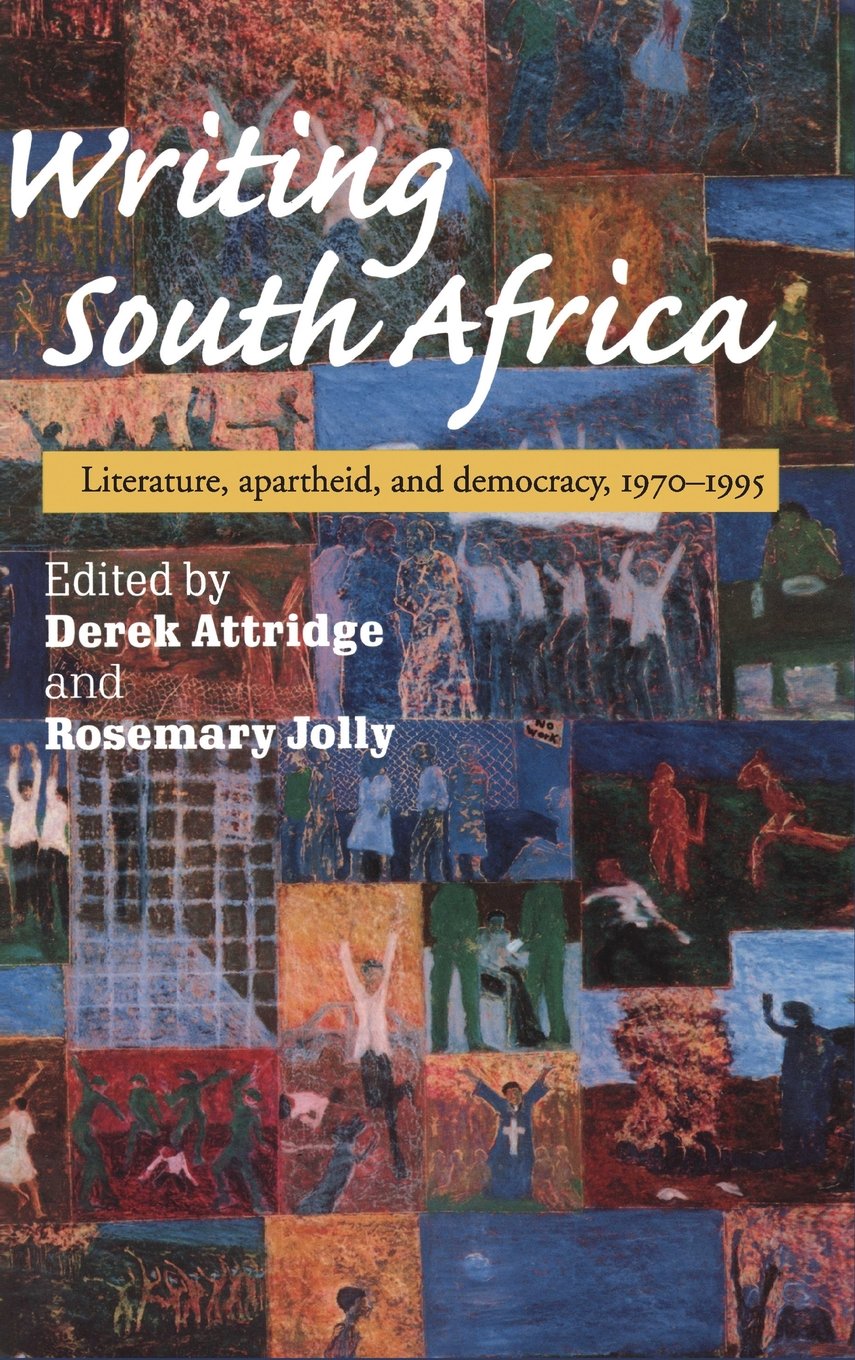
Writing South Africa is an essential exploration of the profound literary landscape that emerged during a pivotal time in the nation's history. Covering the period from 1970 to 1995, this book delves into the intricate relationship between literature and the socio-political climate of apartheid and the subsequent transition to democracy.
Authored by Derek Attridge, this work provides a comprehensive analysis of how South African writers responded to the oppressive regime and how their voices contributed to the struggle for freedom. The text is rich with examples of literary works that not only reflect the harsh realities of life under apartheid but also celebrate the resilience of the human spirit.
One of the key features of this book is its focus on the diverse range of literary genres that flourished during this era. From poetry to novels, the narratives presented in this collection highlight the unique perspectives of various authors, showcasing their ability to articulate the complexities of identity, race, and resistance.
In addition to literary analysis, the book also examines the role of democracy in shaping contemporary South African literature. Attridge discusses how the end of apartheid opened new avenues for expression and how writers have navigated the challenges of a changing political landscape. This exploration is crucial for understanding the evolution of South African literature in the post-apartheid era.
The book is not just for scholars and students of literature; it is also a valuable resource for anyone interested in the broader implications of artistic expression in times of political turmoil. By engaging with the texts and contexts discussed, readers can gain a deeper appreciation for the power of literature as a tool for social change.
Overall, Writing South Africa: Literature, Apartheid, and Democracy is a thought-provoking read that invites reflection on the enduring impact of literature in shaping national identity and consciousness. It serves as a reminder of the vital role that writers play in documenting history and advocating for justice.