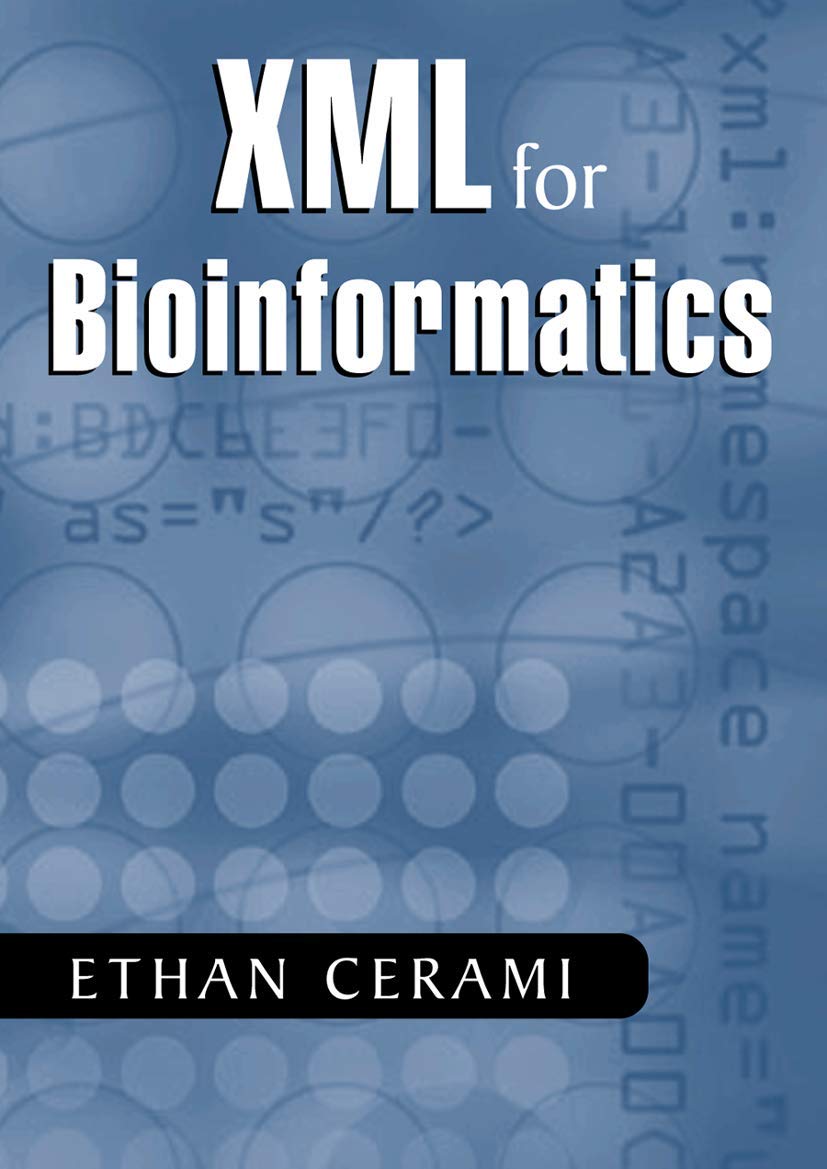
XML for Bioinformatics: A Comprehensive Guide to Data Handling
XML for Bioinformatics: A Comprehensive Guide to Data Handling
Price subject to change. Tap below for current.
Couldn't load pickup availability
In the realm of bioinformatics, XML for Bioinformatics serves as an essential resource for researchers and data scientists. This guide offers a thorough understanding of how to utilize XML effectively in the field of biological data management. With the increasing complexity of biological data, having a solid grasp of XML is crucial for efficient data handling.
The book delves into the fundamental principles of XML, providing readers with a clear framework to structure their biological datasets. It emphasizes the importance of data interoperability, allowing for seamless integration of various data sources. This feature is particularly beneficial for those working on collaborative projects where data sharing is vital.
One of the standout features of this guide is its practical approach. Each chapter includes real-world examples that illustrate how XML can be applied to solve common bioinformatics challenges. Readers will find that the inclusion of case studies enhances their understanding and provides valuable insights into best practices.
Moreover, the book covers advanced topics such as XML schema design and validation, which are essential for maintaining data integrity. Understanding these concepts is key for anyone looking to create robust bioinformatics applications. The author also discusses data transformation techniques, which are critical for converting data into usable formats.
Another significant aspect of this guide is its focus on tools and technologies that complement XML in bioinformatics. The author introduces various software and libraries that can be used alongside XML to enhance data processing capabilities. This section is particularly useful for those who are looking to streamline their workflows and improve data analysis efficiency.
Throughout the book, readers will appreciate the clear and concise writing style, making complex topics accessible to a wide audience. The author's expertise in the field shines through, providing readers with a reliable source of information. Additionally, the inclusion of practical exercises at the end of each chapter encourages hands-on learning, reinforcing the concepts covered.
In conclusion, XML for Bioinformatics is an invaluable resource for anyone involved in biological data management. Whether you are a seasoned professional or a newcomer to the field, this guide equips you with the knowledge and skills necessary to navigate the complexities of XML in bioinformatics. Its comprehensive coverage and practical approach make it a must-have for your library.
Share