

Yoruba Oral Tradition in Islamic Nigeria - Cultural Performance
Yoruba Oral Tradition in Islamic Nigeria - Cultural Performance
Price subject to change. Tap below for current.
Couldn't load pickup availability
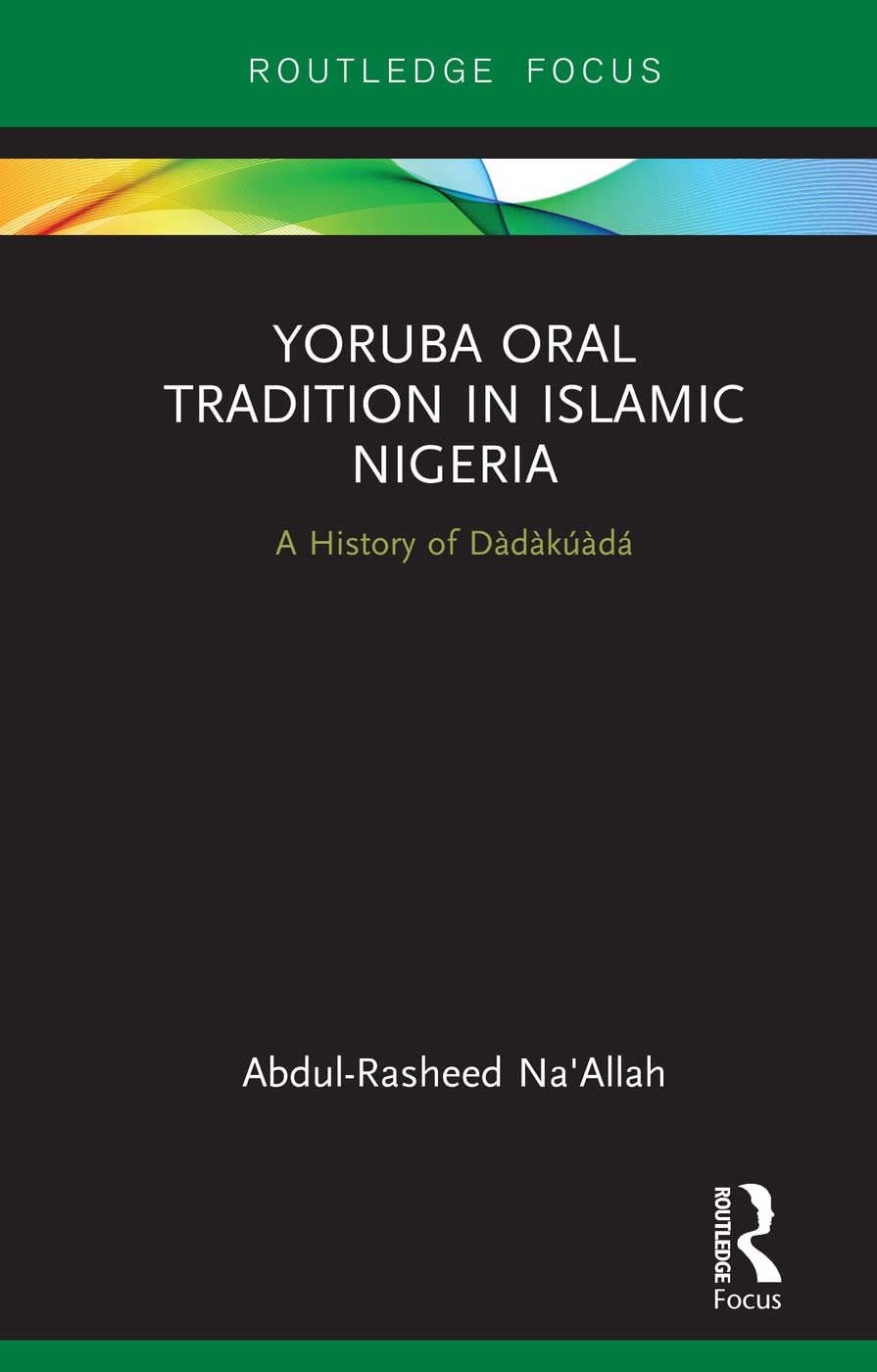
In this review of Yoruba Oral Tradition in Islamic Nigeria the bottom line is clear: this is a focused scholarly study best suited to readers interested in the intersection of Yoruba performance and Islam. Abdul-Rasheed Na'Allah traces the history and artistic vision of Dadakuada, making a convincing case for its prominence as the most popular traditional Yoruba oral art form in Islamic Africa. The book's detailed attention to Ilorin, linguistic practice, and performance techniques makes it essential reading for specialists rather than casual readers.
Key Features
- Historical context: The book situates Dadakuada within Ilorin's history, helping readers understand the social forces that shaped the genre.
- Performance analysis: Close discussion of performance techniques clarifies how singers construct songs and engage audiences in Islamic communities.
- Cultural identity: The author examines the genre's role in Yoruba identity, showing how music carries communal memory and meaning.
- Religion and adaptation: Detailed coverage of the relationship with Islam explains how Dadakuada accommodates religious norms while surviving as a traditional form.
- Scholarly focus: The book speaks directly to researchers in African art, performance studies, and Islam in Africa, offering material suitable for citation.
Who It's For
This book is aimed at scholars, graduate students, and advanced undergraduates studying African oral traditions, ethnomusicology, or Islam in West Africa; it assumes an interest in detailed cultural and performance analysis. It is particularly useful for researchers focusing on Ilorin or Yoruba musical genres and for readers who value close textual and contextual study.
Those seeking a general introduction to Yoruba music or a richly illustrated coffee-table book should look elsewhere; the tone is academic and the emphasis is analytical rather than pictorial or introductory.
Pros & Cons
Pros
- Thorough historical grounding that clarifies Dadakuada's evolution within Ilorin society.
- Insightful discussion of performance techniques that helps scholars interpret recordings and live practice.
- Clear treatment of how the genre negotiates Islamic norms, offering nuance beyond simple secular/religious divides.
Cons
- Academic tone and focus may feel dense for casual readers; it is not a popular overview.
Specifications
| Title | Yoruba Oral Tradition in Islamic Nigeria |
| Author | Abdul-Rasheed Na'Allah |
| Primary subject | Dadakuada oral tradition and performance |
| Regional focus | Ilorin and Islamic Nigeria |
| Disciplinary interest | African culture, performance studies, Islam in Africa |
| Intended audience | Scholars and students |
Our Verdict
Yoruba Oral Tradition in Islamic Nigeria is a valuable, well-researched study for academics interested in Dadakuada and the interplay of performance and Islam in Ilorin. It delivers rigorous analysis and contextual depth, making it good value for researchers and graduate students despite a tone that limits casual appeal.
Frequently Asked Questions
Does the book focus on a single town or a wider region?
The study foregrounds Ilorin as the central site for Dadakuada while linking the genre to broader Islamic Yoruba contexts.
Is this suitable for non-specialists?
Its academic style and in-depth analysis make it better suited to scholars and students than casual readers seeking a general overview.
Does the book address the relationship with Islam?
Yes, it specifically examines how Dadakuada singers accommodate Islamic practices, which is a core theme of the work.
Editor's Take
A focused, well-researched study that explains Dadakuada's history and its accommodation of Islam in Ilorin; ideal for scholars and graduate students seeking rigorous analysis.

Recently viewed
Recently viewed products will appear here as customers browse the store.