Price subject to change. Tap below for current.
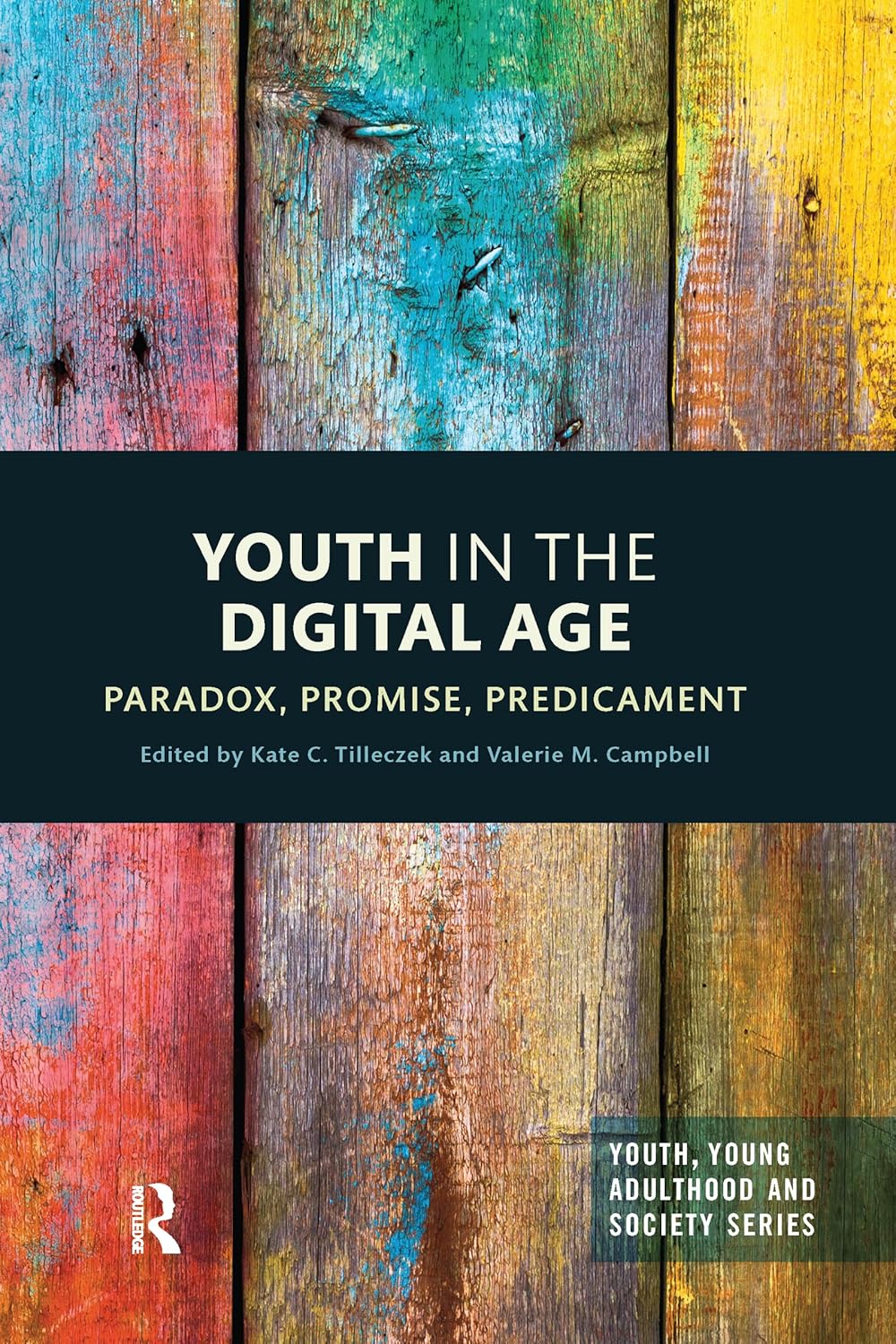
The book Youth in the Digital Age offers a profound exploration of how technology shapes the lives of young people. In an era where digital interactions are the norm, this insightful work delves into the complexities of young adulthood and society's evolving landscape.
Written by experts Valerie Campbell and Kate Tilleczek, this book examines the impact of social media, online communication, and digital culture on youth identity. It highlights how these elements influence their social relationships and self-perception. The authors provide a comprehensive analysis of the challenges and opportunities that arise in this digital environment.
One of the key themes in Youth in the Digital Age is the concept of digital citizenship. The authors argue that understanding digital citizenship is crucial for young people as they navigate their formative years. This book encourages readers to reflect on their online presence and the responsibilities that come with it.
Additionally, the text addresses the mental health implications of growing up in a hyper-connected world. With increasing reports of anxiety and depression among youth, the authors emphasize the importance of fostering resilience and promoting healthy online habits. They provide practical strategies for parents and educators to support young individuals in managing their digital lives.
Another significant aspect covered in this book is the role of education in the digital age. The authors advocate for integrating digital literacy into school curricula, ensuring that students are equipped with the skills needed to thrive in a technology-driven society. This approach not only enhances academic performance but also prepares youth for future careers.
Moreover, Youth in the Digital Age explores the intersection of culture and technology. It examines how cultural narratives shape young people's experiences and how they, in turn, contribute to the creation of new cultural forms. This dynamic relationship highlights the importance of understanding cultural contexts when discussing youth and technology.
In conclusion, Youth in the Digital Age is an essential read for anyone interested in the complexities of young adulthood in today's digital world. It provides valuable insights for parents, educators, and policymakers, offering a roadmap for navigating the challenges and opportunities that technology presents. This book is a vital resource for understanding the unique experiences of youth as they forge their identities in an increasingly digital society.