

Youth Justice - Student-Friendly Introduction to Youth Crime
Youth Justice - Student-Friendly Introduction to Youth Crime
Price subject to change. Tap below for current.
Couldn't load pickup availability
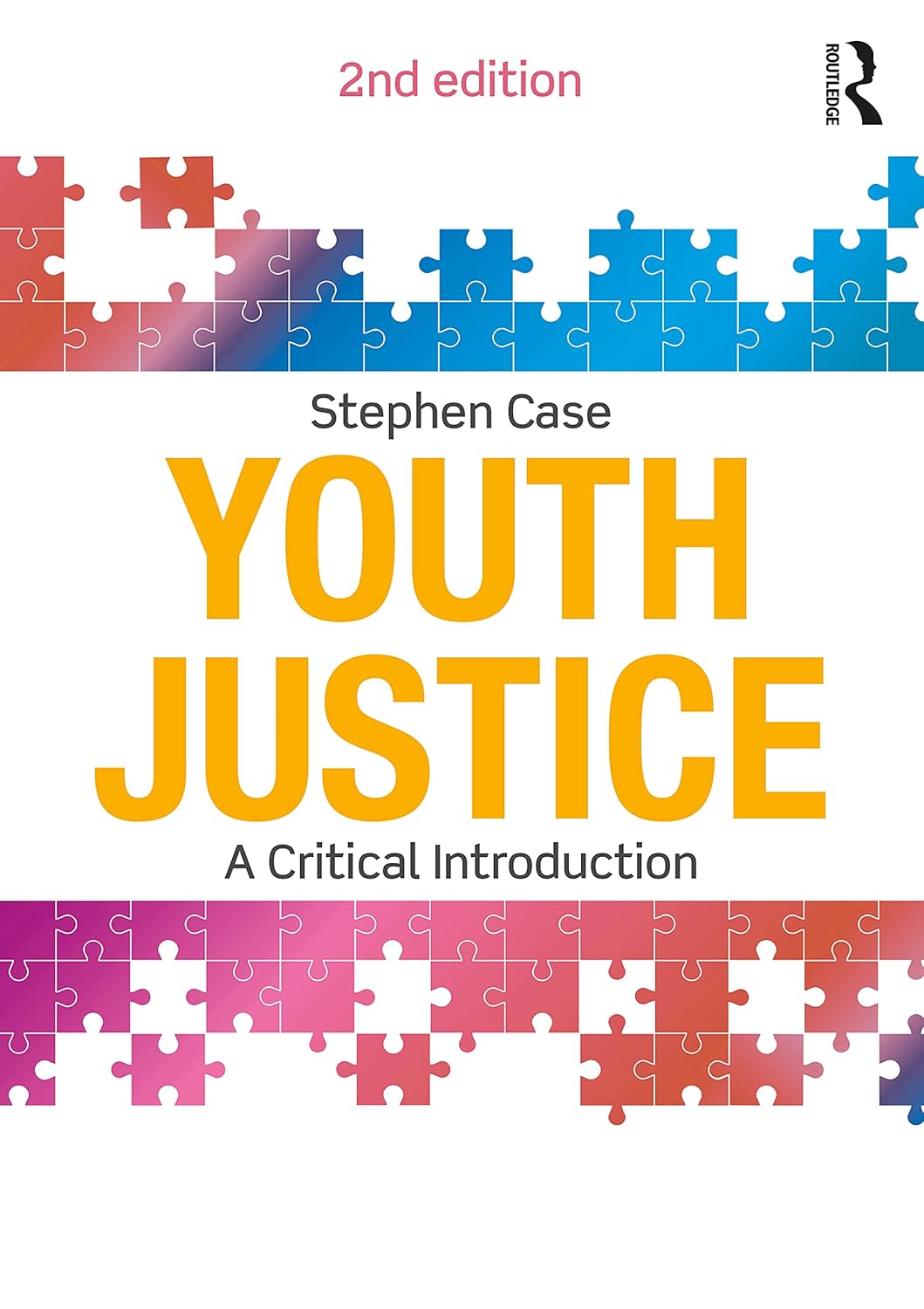
In this review of Youth Justice, Stephen Case presents a clear, student-focused introduction to the study of youth offending in England and Wales; the book's biggest selling point is its balanced integration of theory, policy and practice that helps readers move from explanation to critique. Intended as a teaching text, the writing is approachable and the chapters include reflective features that encourage active learning, making it particularly useful for undergraduates and early-stage postgraduate students seeking a comprehensive grounding in youth justice debates.
Key Features
- Comprehensive coverage: The book surveys definitions, explanations and the institutional responses that form contemporary youth justice in England and Wales, giving readers a broad factual base.
- Theory and practice linked: Case brings together criminological theory, governmental rationales and practical policy developments so students can see how ideas shape real responses.
- Critical evaluation: Detailed discussion of critical academic positions helps readers judge the evidence base and contested claims within youth justice.
- Student-focused features: Stop and think activities and conversational sections are designed to prompt reflection and classroom discussion for learners.
- Balanced exposition: The book aims for a fair assessment of policy and practice rather than polemic, supporting measured academic engagement.
Who It's For
Youth Justice is best suited to undergraduate criminology and social sciences students, trainee practitioners and anyone beginning study of criminal justice who needs a structured, critical introduction. The clear linking of policy, evidence and practice makes it a useful core text for modules covering juvenile offending, sentencing frameworks and welfare-based approaches in England and Wales.
Researchers seeking advanced empirical datasets or specialist monographs on narrow topics may want a more focussed volume after reading this book; similarly, readers wanting a quick handbook of legislation without critical context should look elsewhere. For classroom use and guided study, though, it fills a practical teaching role.
Pros & Cons
Pros
- Accessible writing and structured features support student learning and classroom discussion.
- Balanced integration of theory, policy and practice aids critical understanding rather than simple description.
- Includes reflective activities that help readers apply concepts to real-world problems.
Cons
- As an introductory, student-friendly text it does not replace specialised empirical studies or detailed legislative commentaries.
Specifications
| Title | Youth Justice |
| Author | Stephen Case |
| Scope | Youth justice in England and Wales |
| Focus | Theory, policy and practice with critical evaluation |
| Intended audience | Students and early-stage practitioners |
| Learning features | Stop and think activities and conversational sections |
Our Verdict
Youth Justice is a well-structured, balanced introductory textbook that gives students a clear route into the debates and evidence around juvenile offending in England and Wales. Its strength is the connection between academic critique and policy practice, making it good value for course reading or independent study for those wanting a thoughtful, classroom-ready overview.
Frequently Asked Questions
Does this book cover practice as well as theory?
Yes. The book deliberately links theoretical explanations with policy developments and practical issues to show how they interact.
Is it suitable for postgraduate study?
It is particularly useful for early-stage postgraduate students as a comprehensive introduction, though specialist postgraduate research may require additional sources.
Are there study features included?
Yes. The text includes Stop and think activities and conversational sections designed to engage students and encourage reflection.
Editor's Take
Youth Justice is a well-structured, balanced introductory textbook that links theory, policy and practice for students and early-stage practitioners, offering good value as a classroom-ready overview.

Recently viewed
Recently viewed products will appear here as customers browse the store.